
Last updated November 24, 2026
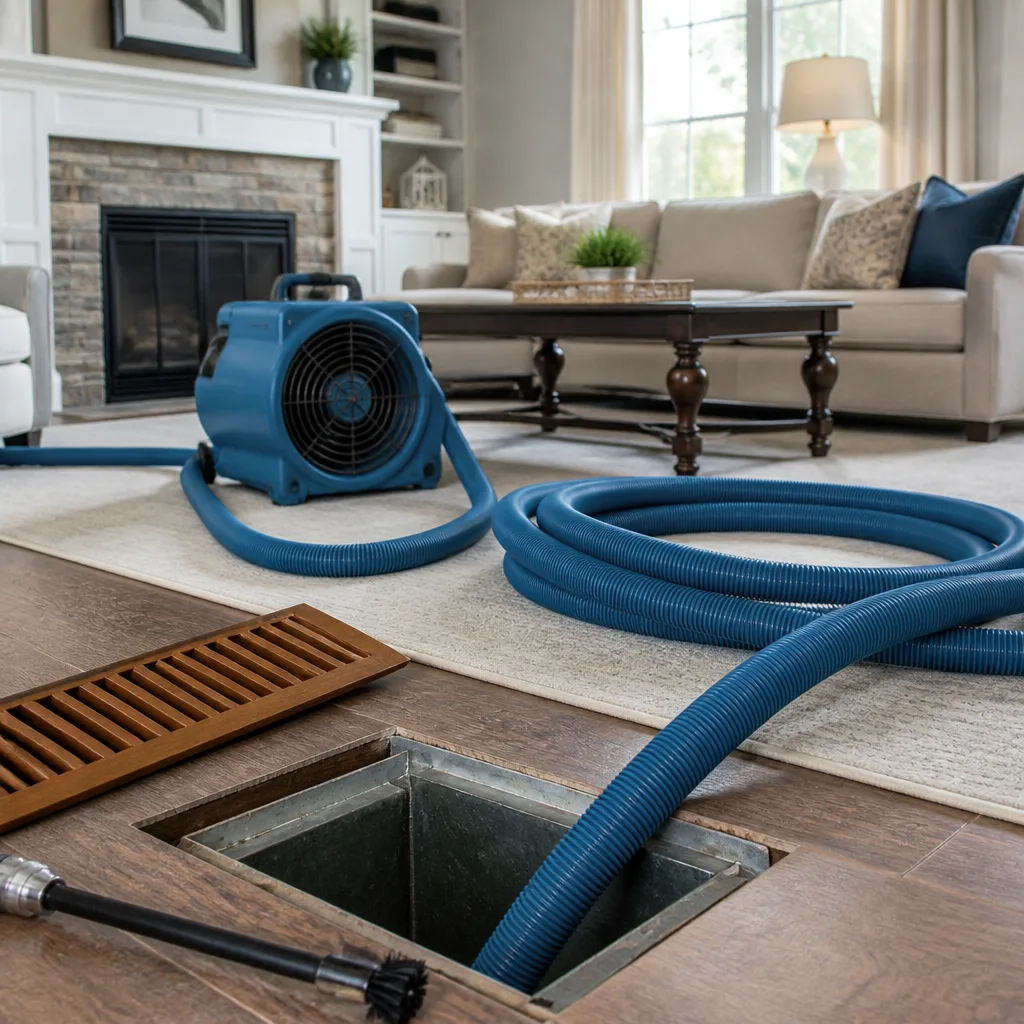 Whole-home duct cleaning
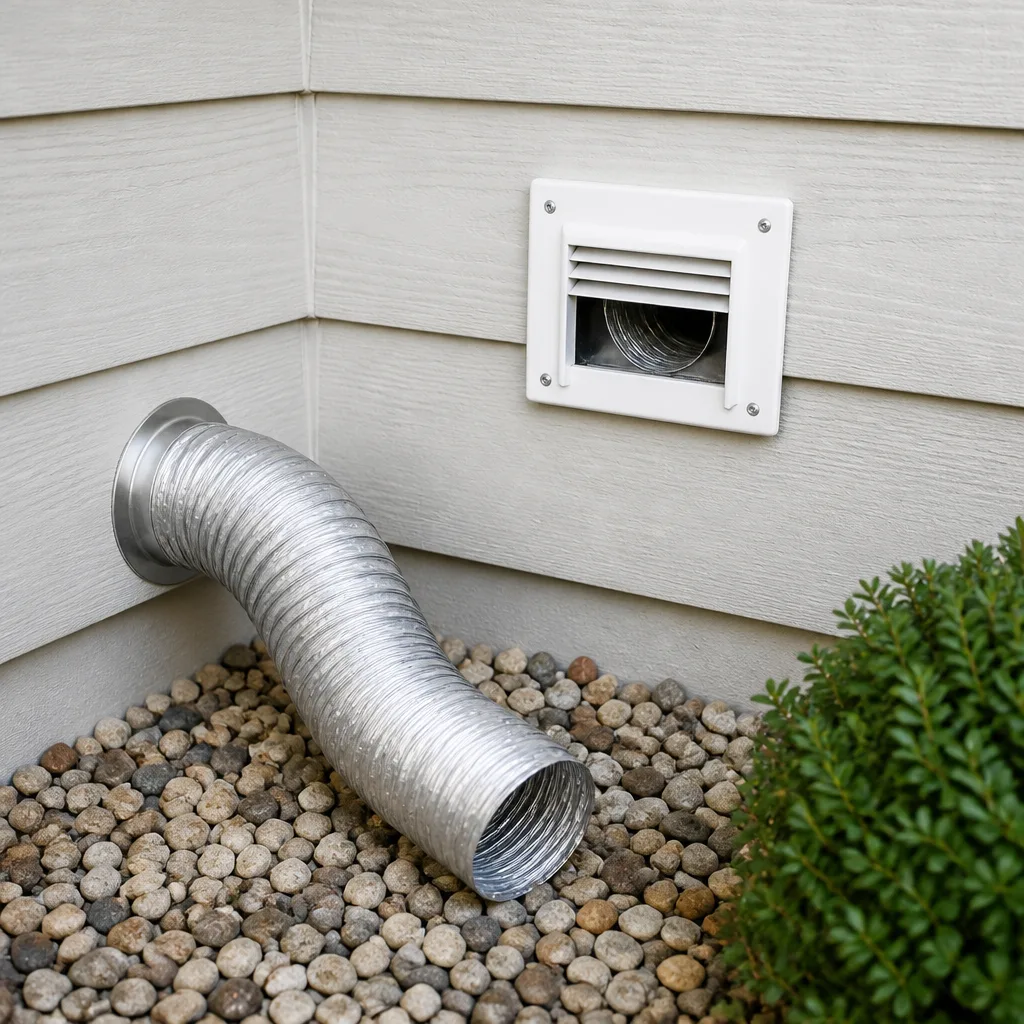 Dryer vent cleaning
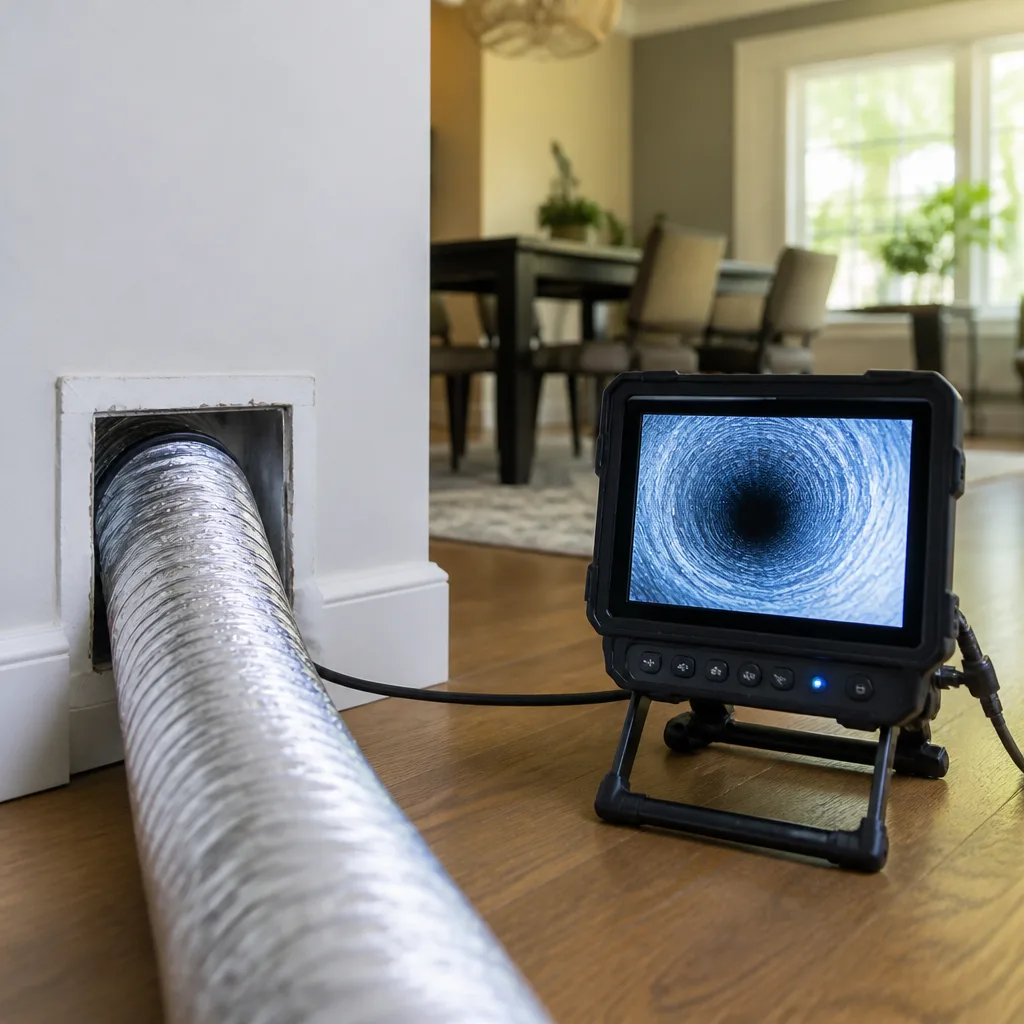 Camera inspection
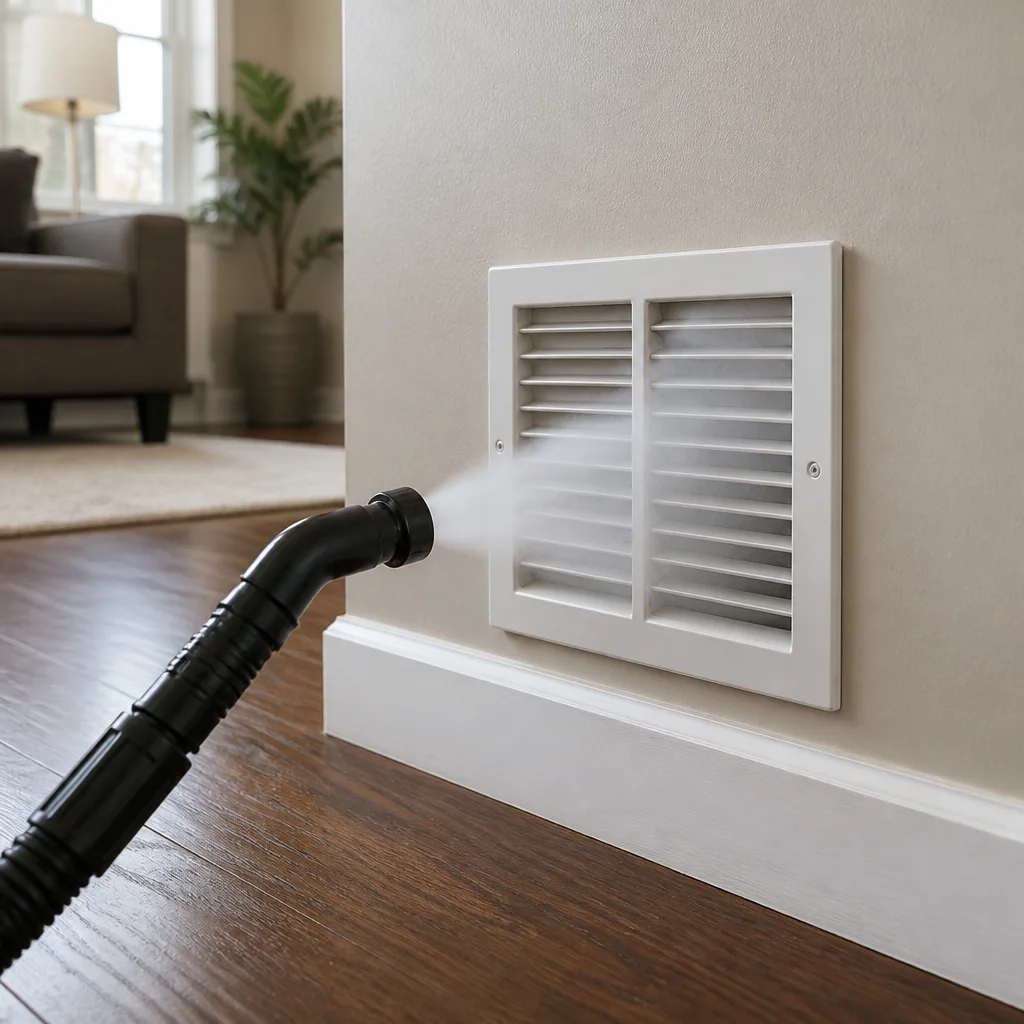 Sanitizing & deodorizing
Whole-system duct and dryer vent check with before-and-after photos - you see exactly what came out of your vents
That "$99 whole-house special" is a bait ad - the real number appears once they are in your hallway, or the "clean" is a shop-vac at the register. We photograph the inside of your ducts before and after instead.
How to Hire an Air Duct Cleaning Contractor in Lake City: A Step-by-Step Guide
A “$99 whole-house duct clean” ad is not a deal. It’s a loss leader, priced low enough to get a technician through your door with the real profit coming from add-ons you may not have asked for and may not need. Washington has no duct cleaning license specific to the trade, which means the job of separating a real contractor from a coupon crew rests entirely on you, the homeowner. Most people don’t know the questions to ask, so they fall back on price. This guide gives you a contractor interview and verification framework built for Lake City homes: what credentials mean, which five equipment questions expose a thin operation, how to read a quote line by line, and what a legitimate walkthrough looks like before anyone touches your system.
Quick Answer
To hire an air duct cleaning contractor in Lake City, verify general contractor registration and liability insurance, confirm the company uses negative-pressure equipment with source-of-suction containment, ask for before-and-after photos and a written quote that reflects an actual system size assessment, and refuse any flat-rate price quoted before the technician has walked the system. The cheapest quote is almost always the one that grows on-site.
Styles & brands we work with
- Whole-home duct cleaning
- Dryer vent cleaning
- Camera inspection
- Sanitizing & deodorizing
Table of Contents
- What credentials actually matter in Washington State
- The five equipment questions to ask before booking
- How to read a duct cleaning quote
- What a legitimate walkthrough looks like
- The reference-check script that gets real answers
- Red flags that should end the conversation
- Common mistakes to avoid
- When to call a professional
What Credentials Actually Matter in Washington State
Washington doesn’t issue a duct cleaning license. There is no state exam, no trade board, no certification number specific to cleaning ducts, which surprises most people in Lake City who assume some agency already checks this. That absence is exactly why you have to run the verification yourself. What does exist is a patchwork of credentials that each cover part of the job and none of them cover all of it. Learn what each proves and where its limits sit.
General contractor registration
Any company doing construction-related work in Washington, including duct repair and sealing, should hold registration with the state Department of Labor & Industries. Registration proves the contractor has a bond and liability insurance on file. It does not prove the technicians know a blower wheel from a plenum, and it does not guarantee a competent cleaning method. Ask for the registration number and check it directly with the state before you book.
Liability insurance
Protect yourself against a technician damaging the flexible duct runs or the heat exchanger in a Lake City crawlspace. A company carrying real liability coverage will provide a certificate on request without hesitation. A one-truck operator working without coverage is the biggest risk here because the repair bill from a snagged duct trunk becomes your problem when he leaves.
NADCA membership
The National Air Duct Cleaners Association publishes the standard most respectable firms work to, covering negative-pressure cleaning and source removal. Membership signals the company chose to work to that standard. It is not a guarantee of anything by itself, since a firm can join and still cut corners on a given job. Treat it as one positive signal among several, not the whole case.
What none of these guarantee
None of the credentials above confirm the technician arriving at your door actually uses proper equipment or takes before-and-after photos. That’s the gap this guide exists to close. Verification gets you past the obvious disqualified operators; the interview questions in the next section separate the rest.
The Five Equipment Questions to Ask Before Booking
Equipment separates a professional cleaning from a vacuuming job. You don’t need to see the machines to get a straight answer – a competent contractor can explain the method in plain terms over the phone. Here are the five questions, in order, and what a good answer sounds like.
- Do you use a negative-pressure method? A real setup places the collection unit on the system and pulls air toward it under vacuum, keeping dislodged dust from drifting into living space. If the answer is vague or they describe only a handheld blower, stop there.
- Truck-mount or portable? Truck-mounted units run longer hoses and a stronger vacuum. Portable units can also work if they’re professional-grade. What matters is whether the answer is specific and calm, not whether it’s a truck.
- Can you do a camera inspection? A technician able to snake a camera through the ductwork sees what’s actually in there. Companies that can’t look inside are guessing.
- Can I see the SDS for your sanitizer? If a company offers sanitizing or antimicrobial treatment, it should be able to produce the Safety Data Sheet for the product. Refusal is a red flag. Products like Guardsman are used in professional sanitizing, and any contractor using them should be able to explain exactly what’s in the bottle.
- Will you clean the blower wheel? The blower wheel is inside the air handler and collects dust like a fan blade. Cleaning ducts without cleaning the blower assembly leaves a major source of contamination untouched.
The equipment names matter, too. Professional firms in this trade typically run Rotobrush rotary-brush extraction systems or Nikro cleaning units. Abatement Technologies air filtration units show up on jobs where containment and air scrubbing matter. When a contractor can name the equipment they run, you know they understand the method; name-dropping the wrong machine is a quick tell.
How to Read a Duct Cleaning Quote
A quote is either a plan or a hook. The difference shows in the line items and in the order they appear. A real quote comes after the contractor has looked at your system and counted the supply runs, returns, and registers. A flat rate quoted before anyone opens a door is a warning sign because the price cannot reflect the size of your system. If the number is fixed before they know what they’re cleaning, they’re pricing the sales visit, not the job.
Use a flat price per system that the contractor agrees before work starts. That figure should be based on an actual assessment of the system and should not shift once the technician is on-site. Per-vent pricing lets a quote grow with every register someone discovers in a finished basement, so treat it as a red flag.
Line items a solid quote should include
- An inventory of supply and return runs being cleaned, with the count
- Method: negative-pressure, source-of-suction, and which equipment is used
- Whether the blower wheel and air handler are cleaned as part of the job
- Whether dryer vent cleaning is included or separate, and why it matters separately
- Sanitizing or antimicrobial treatment listed as a clear, priced option, not a surprise
- A note on duct repair and sealing if the walkthrough turned up gaps or disconnected runs
- Confirmation of before-and-after photos of your own system
Upsells versus legitimate add-ons
Legitimate add-ons happen after the inspection turns something up: a disconnected flex duct in the crawlspace, mold growth where moisture collected, a dryer vent packed with lint that’s slowing drying time. The company explains what was found and prices the fix separately. Upsell red flags arrive before the technician has looked at anything: mold treatment pushed on every job regardless of what’s in the ducts, “system replacement needed” after a five-minute glance, or a discount that expires tonight. If a service is offered as part of a package without any finding behind it, ask why the inspection didn’t come first.
What a Legitimate Walkthrough Looks Like
Before any work begins, a real contractor walks the system with you. That’s the most reliable signal you’ll get the same day, and it costs nothing to observe. The technician checks where the air handler sits, how many return registers the home has, whether duct runs are accessible or buried under floor sheathing, and whether the flex ducting in a damp Lake City crawlspace shows any sags or tears. The walk should also include a look at the dryer vent – whether it’s short and direct or long and winding through a wall affects the cleaning and the fire risk. Ask the contractor to show you anything questionable before the quote is finalized, not after.
A company that skips this walk is cutting corners and hoping you don’t notice. It’s the reason a quote arrives in one number with no detail: they haven’t looked at anything to build the detail from. When you’re choosing duct cleaning in Lake City, treat a request to “just tell us the address and we’ll quote it over the phone” as a sign to slow down.
Once on the job, the work has a sequence. Expecting to know what it looks like isn’t a high bar:
- Prep and containment. Register covers or suction hoses are placed, and the collection unit is set up at the air handler or trunk.
- Agitation. The technician runs a rotary brush or air whip through each supply and return run, breaking loose the settled dust that a plain vacuum can’t lift.
- Extraction. The loosened dust is pulled into the collection unit under negative pressure, not swept into the room.
- Component cleaning. The blower wheel and the coil area receive cleaning if the job calls for it. This is the step most one-price quick cleans leave out.
- Optional treatment. If sanitizing is ordered, it’s applied after mechanical cleaning and after the dust is gone, never before.
- The reveal. The technician shows you before-and-after photos and walks the same registers with you that were checked at the start.
That last step matters more than most homeowners realize. Photos of your own system are the simplest record that the work happened. A company with real equipment and a real method will have them without being asked.
The Reference-Check Script That Gets Real Answers
Asking a contractor for references is standard. Asking the references the right questions is where Lake City homeowners get value. “Were you happy?” gets a polite yes from almost anyone. Ask the questions below instead. A good contractor will hand over a handful of recent local contacts without hesitation; a defensive answer or a stalling response tells you something on its own.
- “Did the airflow at the far registers change after the cleaning?” In a two-story Lake City home with a long duct run, the upstairs bedrooms are the usual complaint. Ask specifically whether those rooms felt different afterward.
- “Did your house smell different in the days after the service?” A proper cleaning leaves a neutral smell. A musty or chemical smell that lingers may mean the ducts got wet during cleaning or sanitizing was applied to a wet system.
- “Did the technician take before-and-after photos, and did they show them to you?” This one question filters out about half the field.
- “Did the final bill match the quote, or did it grow on-site?” Anything beyond the agreed price per system, without a documented finding, is the pattern you’re trying to catch.
- “Did anyone inspect the dryer vent separately?” In a home where the dryer takes two cycles to dry a load, this is where the real problem usually sits.
A reference who says the airflow improved but the dryer vent was never checked is telling you the contractor did half the job. The full air pathway runs from the air handler to the last vent cover, plus the dryer vent, which shares nothing with the ductwork but is the same family of problem. Homes that need dryer vent cleaning often have lint packed all the way through a long run behind the laundry, and a standard duct clean doesn’t reach it.
Red Flags That Should End the Conversation
Most bad outcomes can be spotted before the technician arrives. Here’s what to stop on.
- A price quoted before the system is assessed. Any flat number delivered over the phone without a walkthrough is either a loss-leader or a guess. It will grow or it will be rushed.
- Per-vent pricing. It sets you up to pay for every register discovered, and it means the quote can’t be fixed until you’ve already said yes.
- Mold treatment pushed before any inspection. Mold in ductwork requires evidence, not a brochure. If mold is a real issue, it should show up in a camera inspection.
- Pressure to add a system replacement. A duct cleaning visit is not the place to be sold a furnace. If the contractor steers toward replacement within the first hour, get a second opinion.
- No camera, no photos, no equipment names. Any technician who can’t tell you what they clean with or show you what they found is working blind.
- A one-truck crew that won’t provide a liability certificate. Lake City crawlspace access and older ductwork make damage a real risk. Walk away from a company that won’t put coverage in writing.
- A technician who won’t walk through the home with you. The walkthrough costs nothing and protects you. No walk, no job.
See the difference
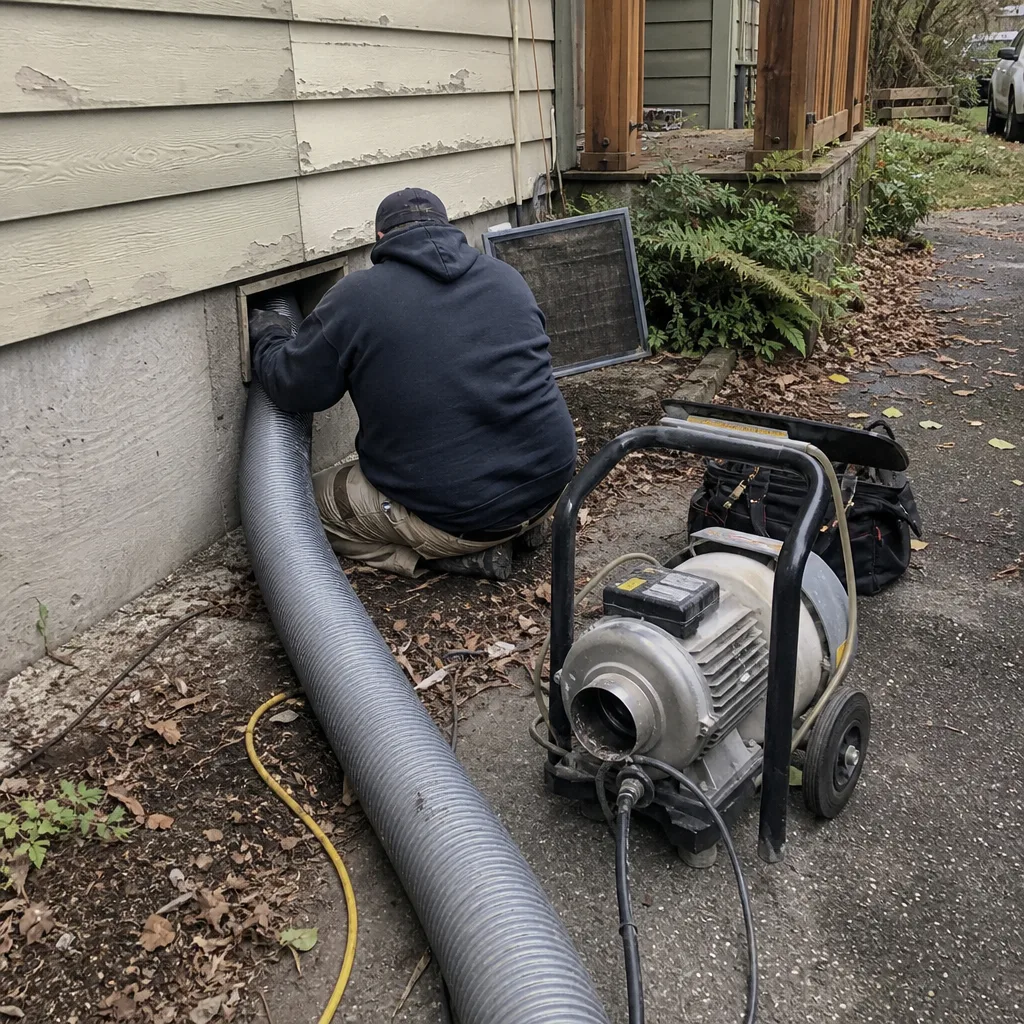 Before
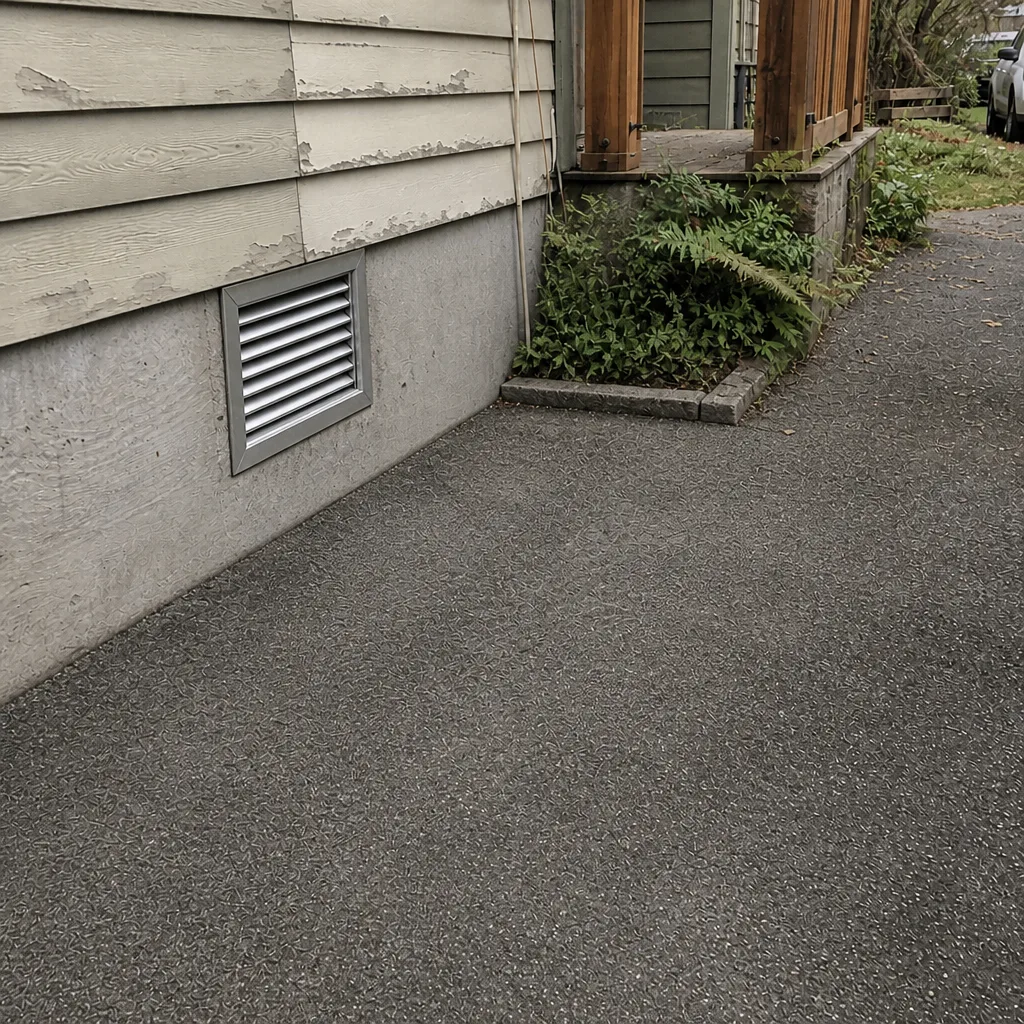 After
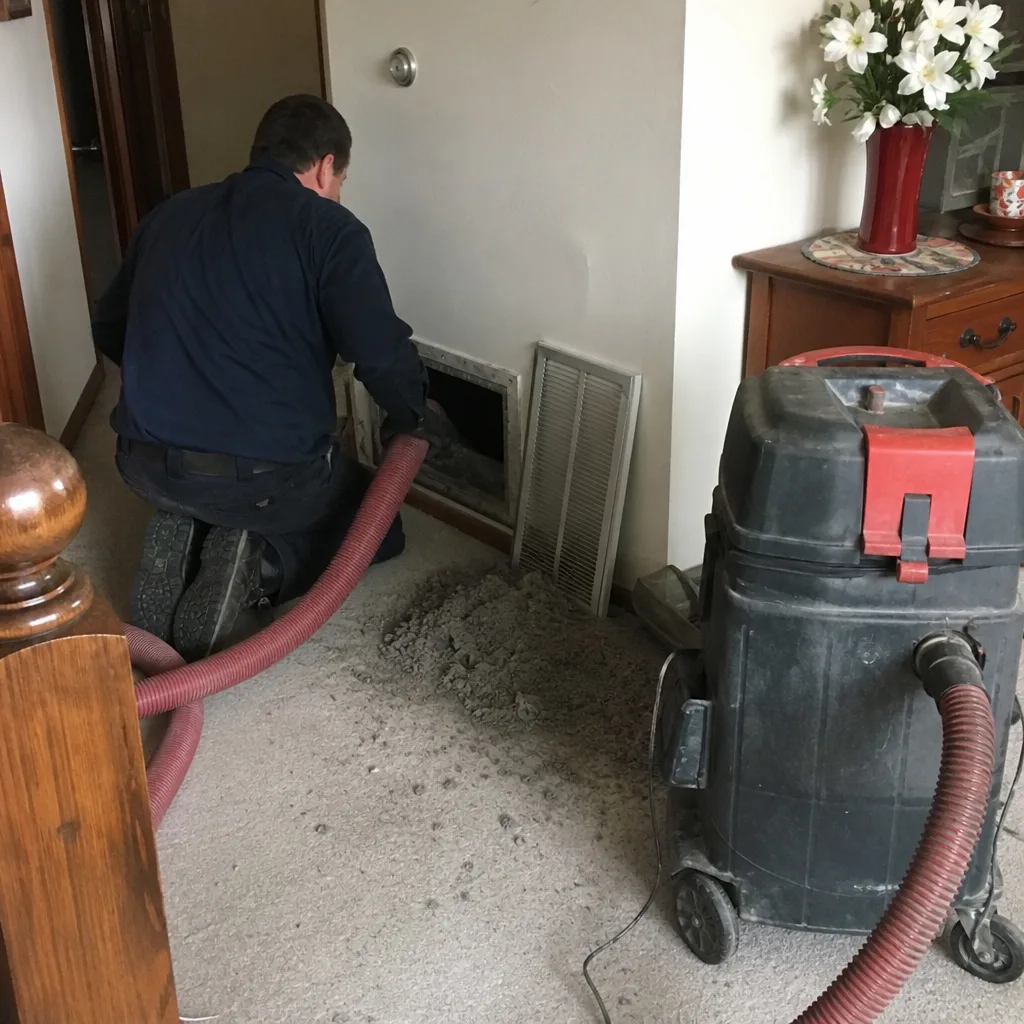 Before
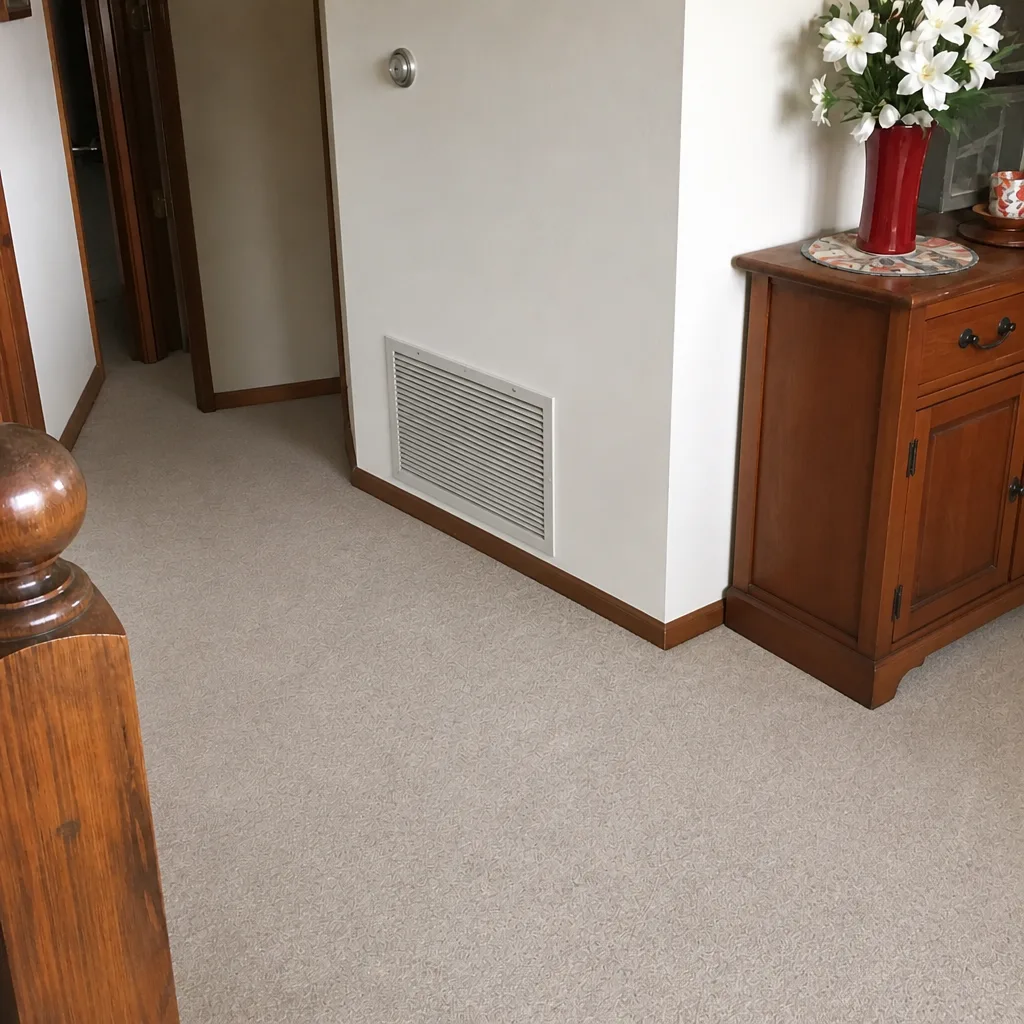 After
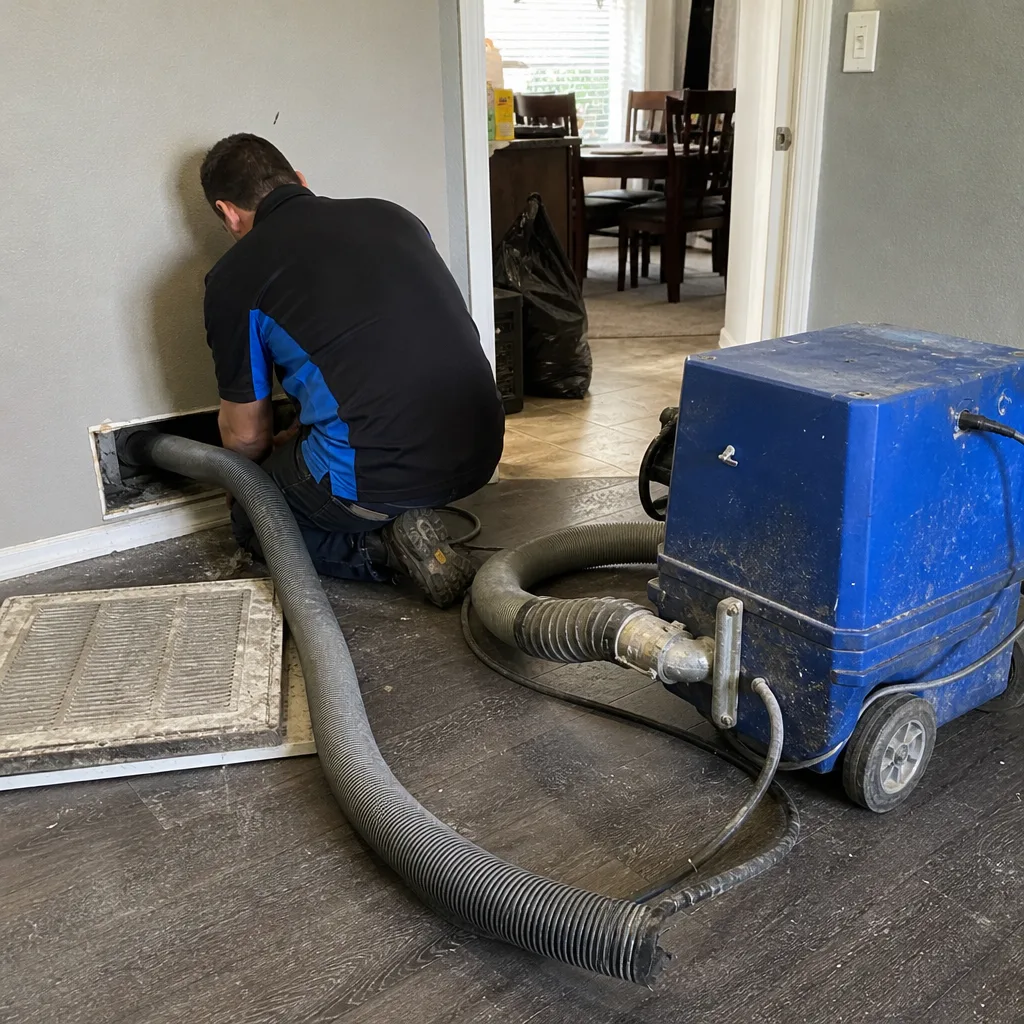 Before
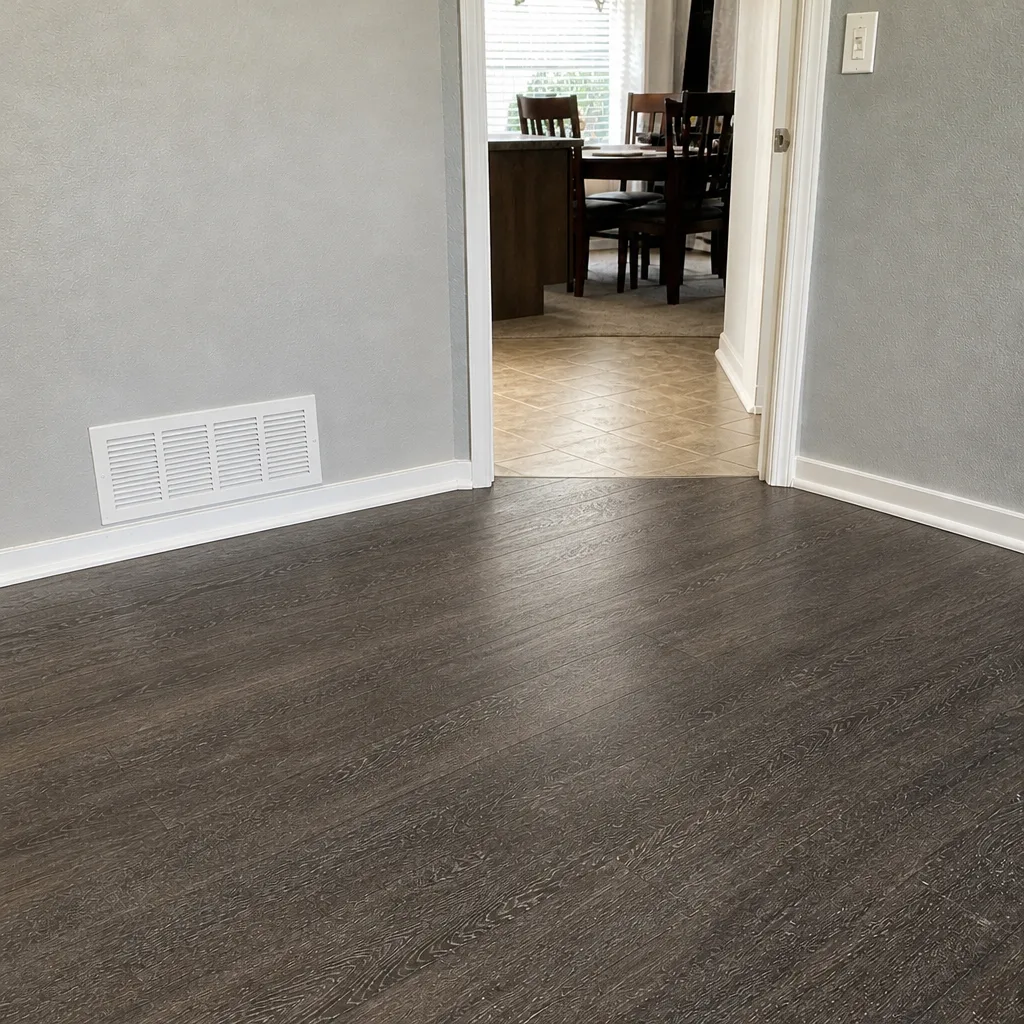 After
Common Mistakes to Avoid
- Hiring on price alone. The cheapest quote in Lake City is usually the one built to grow on-site. Price the method and the equipment, not just the number.
- Skipping the pre-service walkthrough. If a contractor won’t inspect the system with you before work starts, they can’t know what they’re quoting. Two minutes on the phone is not a walkthrough.
- Accepting “whole-house” as a full description. Ask whether the quote covers supply and return runs, the blower wheel, and dryer vent access. “Whole-house” means very little on its own.
- Never asking for before-and-after photos. Photos of your own system are the cleanest record that the work happened. Ask for them before you book, so nobody has to be reminded after.
- Overlooking the dryer vent in a Lake City home. Lint buildup slows drying time and raises fire risk. It’s a separate service from duct cleaning and belongs on the same visit.
- Treating NADCA membership as a complete guarantee. It signals the standard the company works to, but a company can join and still cut corners. Pair it with the equipment questions.
- Assuming the state already vetted the contractor. Washington has no duct cleaning license. The state requires contractor registration for construction work, and you still need to check it yourself.
A Second Look at the Mistake That Matters Most
Of everything on that list, hiring on price causes the most regret, because the price is usually what pulls a Lake City homeowner into the call in the first place. The coupon price is designed to be the most visible number in the market. What it doesn’t show is what happens once the technician is inside: a “duct check” that finds problems you never suspected, a mold treatment you didn’t ask for, and a final invoice several times the advertised number. The pattern is well known among people who’ve been through it, and the fix is simple. Ask for the method, the equipment, and a written plan before you agree to any price. A company that can answer those questions is a company whose price you can trust, because the price reflects the job, not the sales visit.
Once you’ve got a straight answer on method, the next question is scope. A single-price duct clean leaves you to handle the rest: the dryer vent that’s slow, the flex run that came loose in the crawlspace, the air quality equipment that would keep the ducts cleaner between services. That’s why so many Lake City homes end up with a duct cleaning job that doesn’t address the full air pathway. Ask the contractor directly whether they handle repair, sealing, and dryer vent cleaning on the same visit. A company that does is worth more than the invoice suggests. If the answer is a shrug, you know you’re working with a one-trick team.
What “Good” Looks Like When the Work Is Done
When the job goes right, you know soon after the technician leaves. Airflow at the furthest registers improves noticeably, especially in upstairs rooms where the run is longest. The house smells neutral, not musty or chemical. The technician hands you before-and-after photos of your own system, and the dryer vent has been checked and cleaned if it needed it. The final invoice matches the written price per system, with any extras documented by an actual finding. All of those are checkable in a walk-through after the work. If any of them are missing, ask about it before you pay.
The best crews make the whole process plain: a specific method, named equipment, before-and-after documentation, and a single flat price fixed before the work starts. We work to that standard on every job. Our technicians use Rotobrush rotary-brush extraction and Nikro cleaning equipment, plus Abatement Technologies filtration for containment, and we can supply and install Honeywell and Aprilaire air-quality products after cleaning so the ducts stay cleaner between visits. Our technicians have up to 11 years of experience, and there’s no separate coupon price waiting to grow once we’re in the door.
When to Call a Professional
Some signs are easy to sort at home: a slightly dusty vent cover or a return that’s been out of sight behind furniture. Others call for a trained technician. Call if anyone in the home has developed allergy symptoms that get worse indoors, if the home has just been through a renovation that generated drywall dust, if you’ve bought a Lake City home and don’t know when the ducts were last cleaned, or if the dryer takes two cycles to dry a load. Those signs point to a system-level problem that a dust rag can’t reach. High-tension parts and gas-fired equipment inside the air handler are not a DIY area; a trained technician should handle anything beyond surface dust so you don’t risk injury or a damaged system.
Air Duct Cleaning Lake City offers free estimates in Lake City. Call (877) 523-5812 to book a walkthrough. We answer 24/7, and fast dispatch runs from 7am to 7pm, Sunday through Friday. A call outside dispatch hours is booked into the next opening, Sunday through Friday, 7am to 7pm. The estimate is free, and the written price is set per job, so the number you agree to is the number that stands. If you want a closer look at the individual services before you call, start with air duct cleaning, our HVAC cleaning work, or the full range on the Air Duct Cleaning Lake City home page.
Frequently Asked Questions
There’s no fixed statewide or citywide number, because the price depends on the size of your system, how many supply and return runs there are, whether the blower wheel is included, and whether the dryer vent is part of the visit. What you can control is how the price is quoted: a single flat price per system agreed before work starts, after a walkthrough, with the written estimate setting the final number. A low coupon figure in a Lake City ad is usually a teaser for a per-vent or per-treatment upsell once the technician is in the door. Call (877) 523-5812 for an exact quote. Estimates are free.
Washington has no duct cleaning license specific to the trade, so the state does not certify duct cleaning on its own. Companies doing construction-related work, including duct repair and sealing, should still be registered with the state Department of Labor & Industries and carry liability insurance. NADCA membership is a voluntary standard-setting membership, not a license. None of those guarantees a good cleaning, which is why the equipment questions in this guide matter as much as the paperwork.
The cheap quote is usually a loss-leader designed to get a technician into the home for an upsell. Once on-site, a low-ball company often finds “problems” that raise the bill well above what you were quoted: mold treatment, a per-vent charge for every register, or a system replacement recommendation. A real quote comes after a walkthrough and reflects the actual system. A written price per system, agreed before work starts, protects you from the pattern.
Ask for before-and-after photos of your own ducts, taken during the visit. A proper cleaning takes photos at the air handler and at sample registers; a proper contractor shows them without being asked. Beyond the photos, check the airflow at the furthest registers after the technician leaves, and confirm that the invoice matches the written estimate. If any of those are missing, that’s the moment to raise it, before you pay.
Yes, if it needs it. The dryer vent is a separate run from the ductwork, but it’s part of the same air pathway in the home, and a packed vent slows drying time and raises fire risk. A Lake City home where the dryer takes two cycles to dry a normal load, or where the vent is long and winding behind the laundry, should have it checked. It’s a distinct service from duct cleaning, and a full-service contractor can handle both on the same visit.
There’s no universal schedule, and anyone quoting one without looking at your system is guessing. Frequency depends on what’s in the home: pets, recent renovations, a new home purchase where the service history is unknown, allergy symptoms, or a system that’s been run for a long stretch without a look inside. A camera inspection and a walkthrough answer the question for your specific house in Lake City. Call (877) 523-5812 for a free estimate and a look at what’s actually there.
The Bottom Line
Hiring a duct cleaning contractor in Lake City comes down to verification and a few pointed questions. Confirm state registration and liability insurance. Ask what equipment the company runs and how it handles negative pressure and containment. Require a walkthrough before any price is set, and insist on a single flat price per system with before-and-after photos of your own ducts. Treat any quote that arrives before the contractor has looked at the system, any per-vent pricing, and any mold treatment that appears before an inspection as reasons to walk away. None of that is complicated; it just takes someone who knows to ask. Call (877) 523-5812 to book a free estimate. We answer 24/7. Fast dispatch from 7am to 7pm, Sunday through Friday.
Written by the team at Air Duct Cleaning Lake City.