
Last updated November 24, 2026
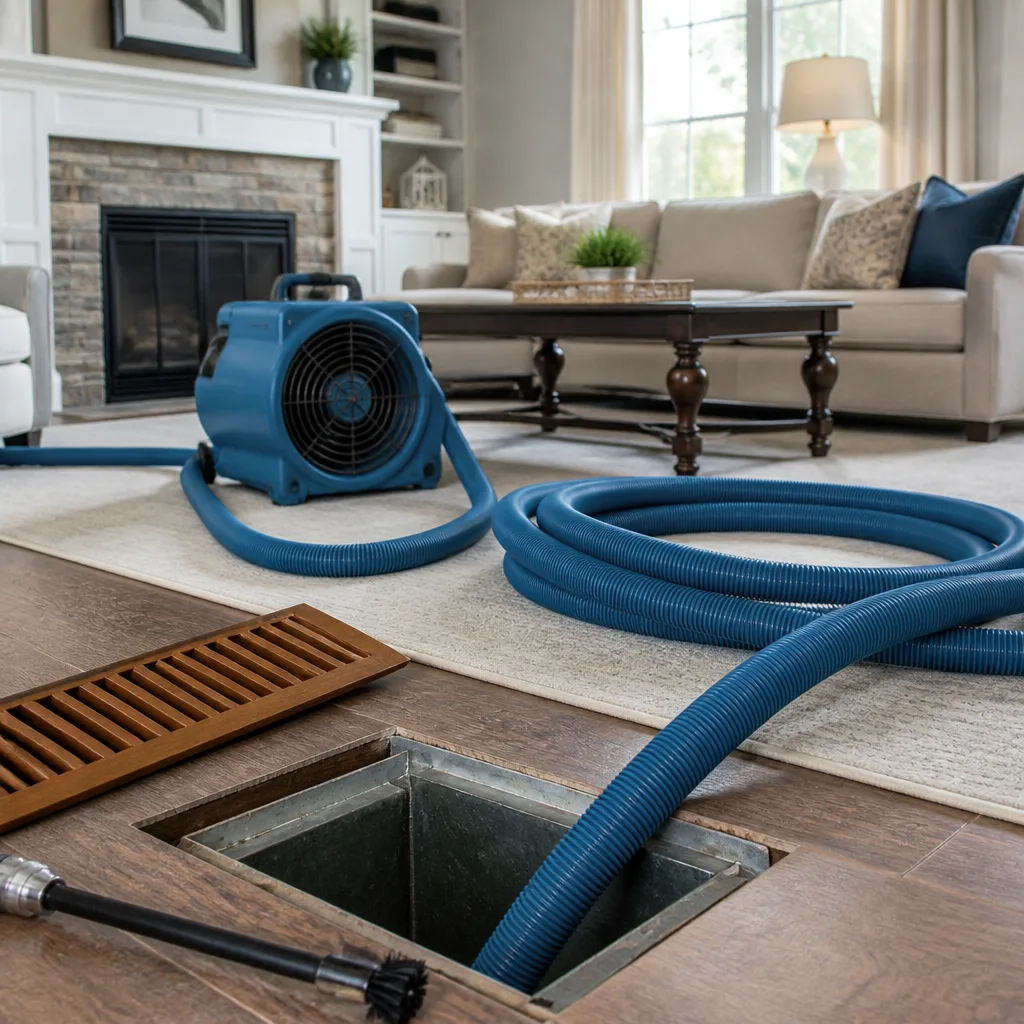 Whole-home duct cleaning
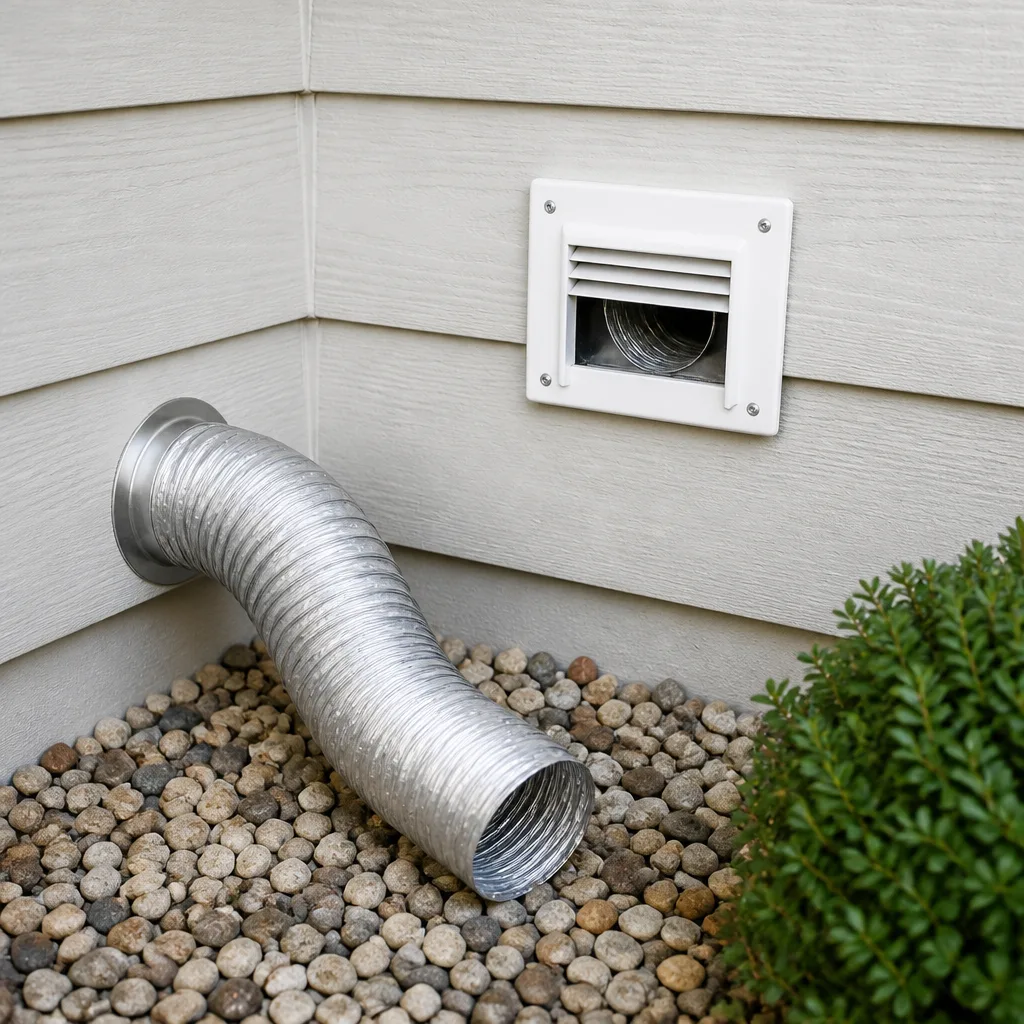 Dryer vent cleaning
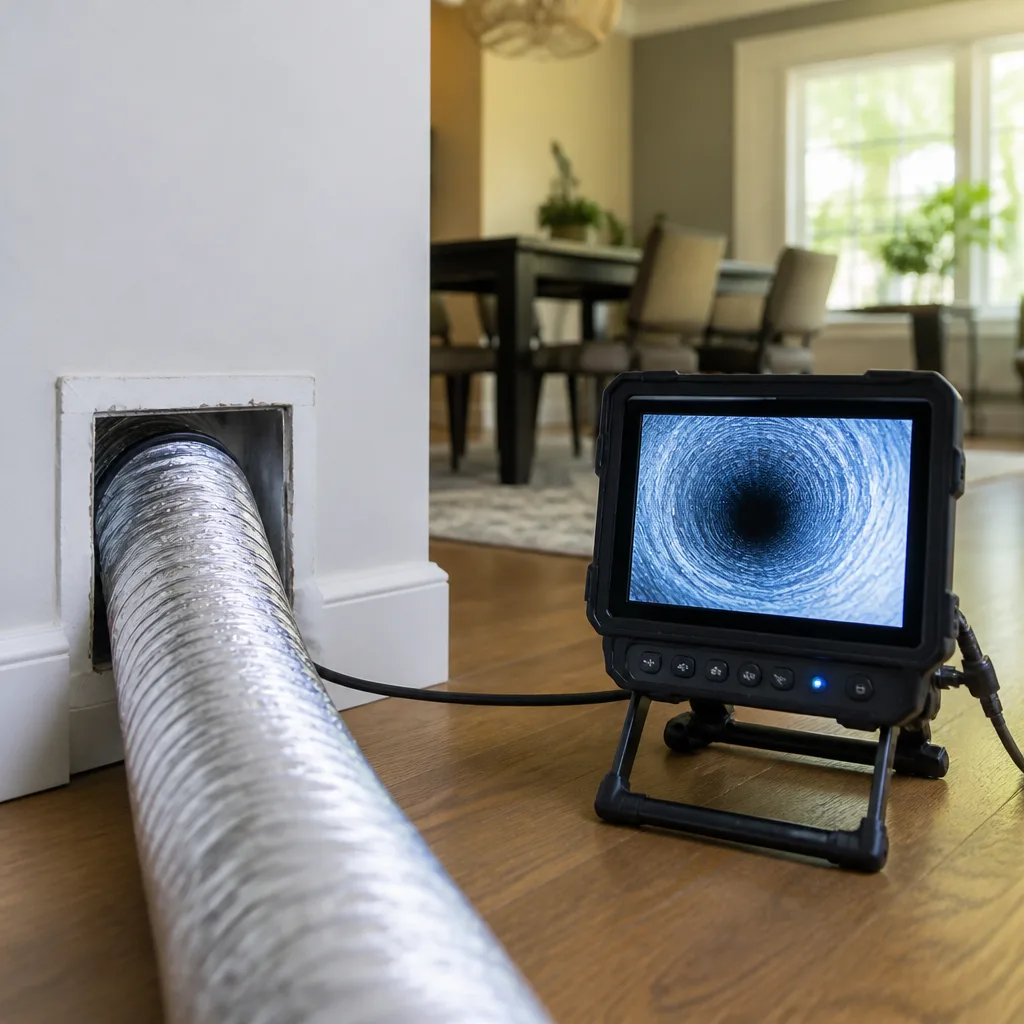 Camera inspection
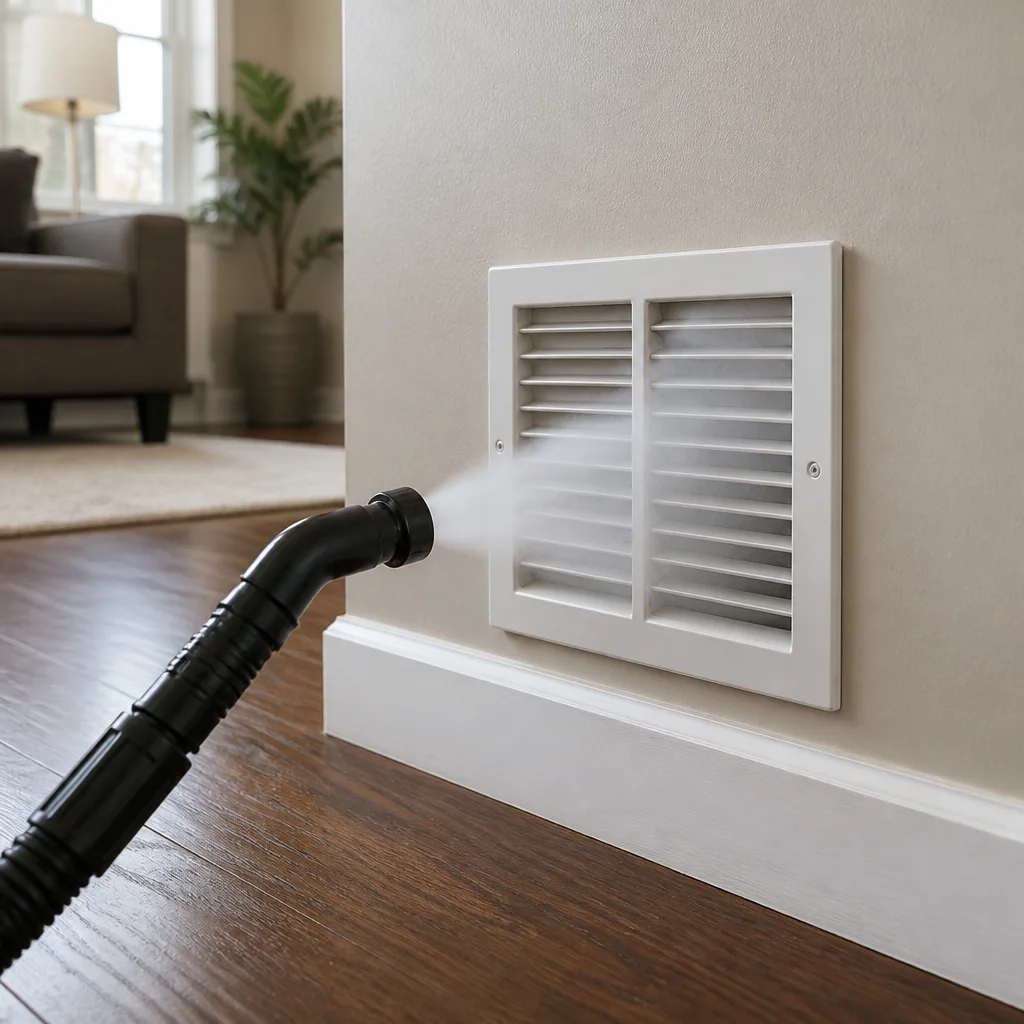 Sanitizing & deodorizing
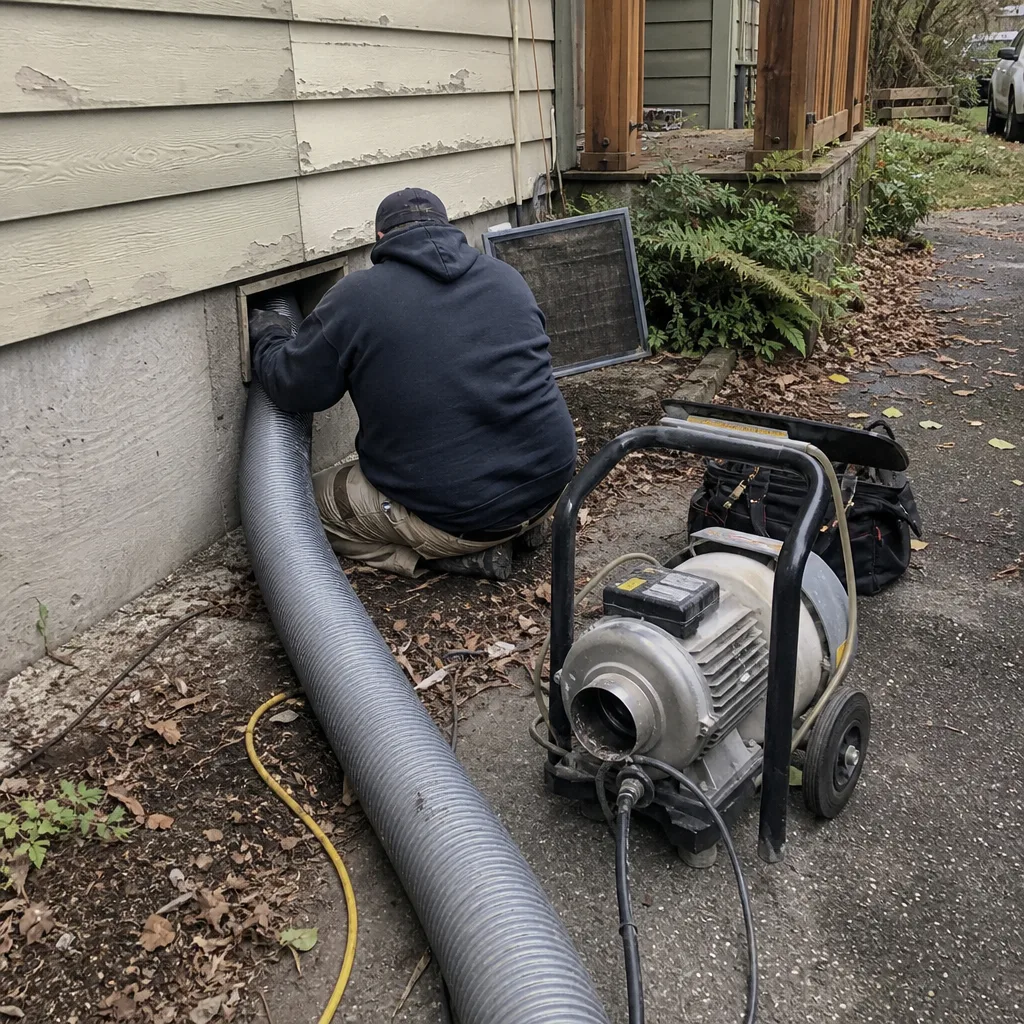
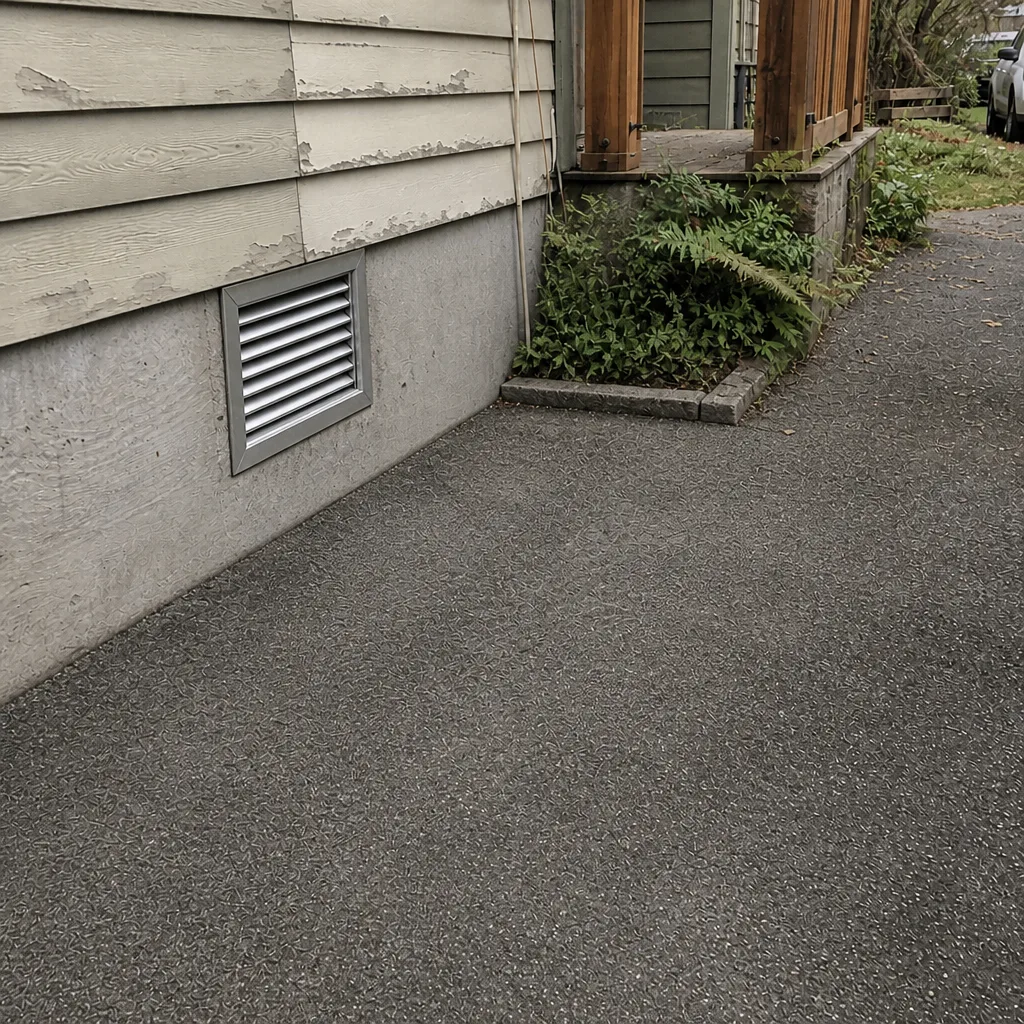
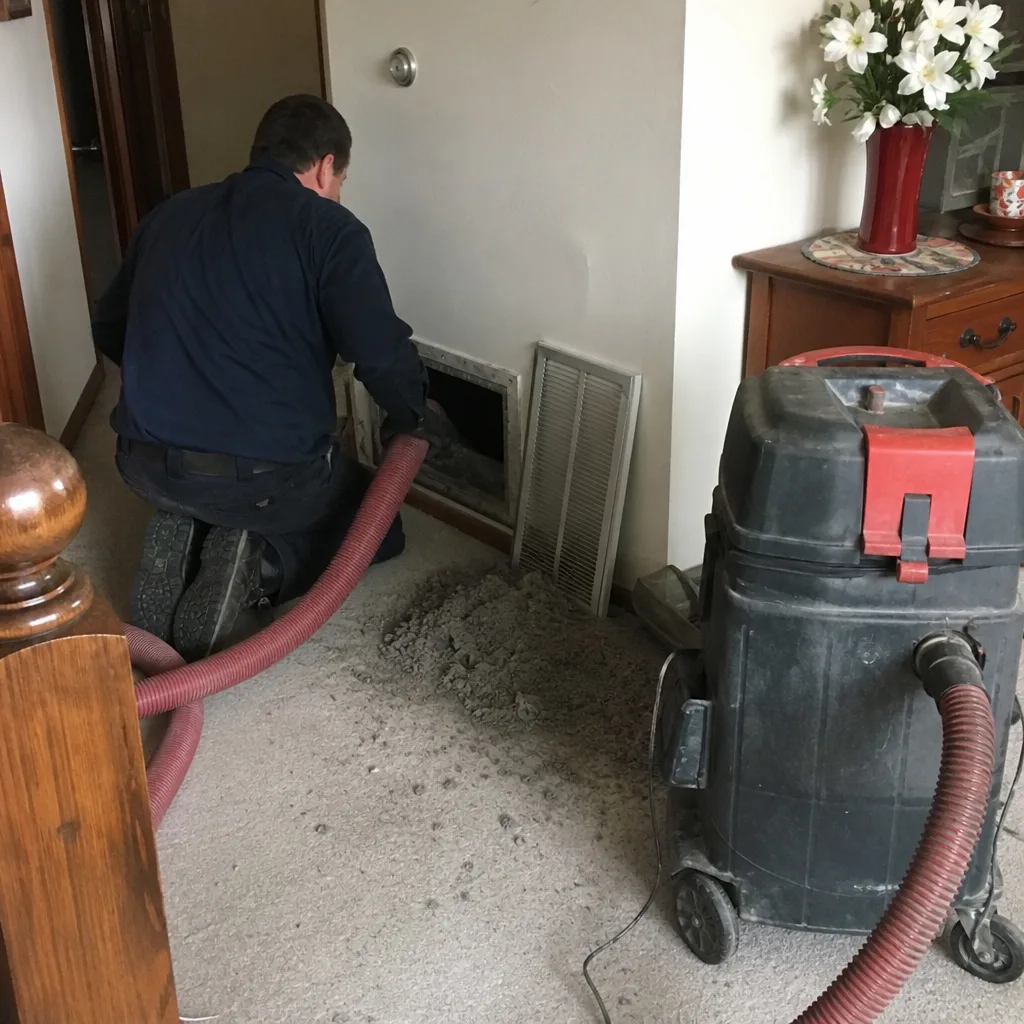
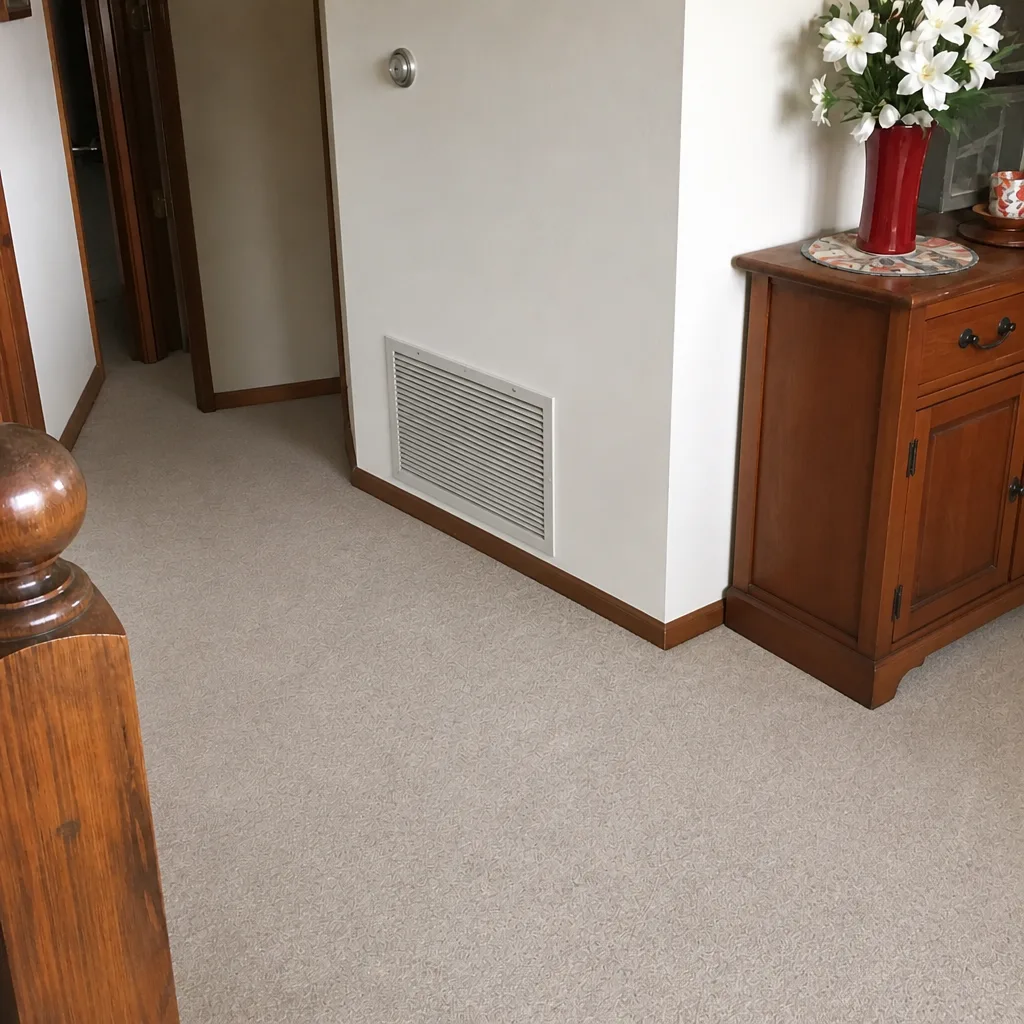
Whole-system duct and dryer vent check with before-and-after photos - you see exactly what came out of your vents
That "$99 whole-house special" is a bait ad - the real number appears once they are in your hallway, or the "clean" is a shop-vac at the register. We photograph the inside of your ducts before and after instead.
Air Duct Cleaning Maintenance Checklist for Lake City Homeowners
Changing your filter on schedule while ignoring the blower wheel is like washing the dishes but never cleaning the sink drain. The contamination just moves upstream. Most homeowners in Lake City treat duct cleaning as a one-time event, something you do after a renovation or when a smell won’t go away, then forget. What actually keeps the air in a house clean is a maintenance interval: a set of tasks timed to your HVAC equipment’s own cycles, with a paper trail. This guide gives you that interval, task by task, from the pre-cleaning walkthrough to the log you keep for a future home sale. You’ll learn what to check before and after service, which seasonal jobs matter most in Lake City, and when a checklist item means it’s time to call someone.
Quick Answer
A working duct maintenance checklist for a Lake City home has three parts: a pre-cleaning check (filter condition, visible register debris, dryer vent clearance, HVAC run-hours since last service), a post-cleaning check (access panels resealed, registers reinstalled, airflow tested at multiple vents), and a maintenance log kept with your HVAC paperwork. Most homes need a full duct cleaning every few years, with interim filter swaps and a blower inspection each heating season. The interval shifts with pets, renovations, wildfire smoke seasons, and how hard your system runs.
Styles & brands we work with
- Whole-home duct cleaning
- Dryer vent cleaning
- Camera inspection
- Sanitizing & deodorizing
Table of Contents
- Why Duct Cleaning Is a Maintenance Interval, Not an Event
- The Pre-Cleaning Checklist: Four Things to Check First
- The Post-Cleaning Checklist: Confirming the Job Was Done Right
- Seasonal Tasks for Lake City Homes
- How to Log Your Maintenance Intervals
- Upstream and Downstream: Why Cleaning the Ducts Isn’t the Whole Job
- When a Checklist Item Becomes a Professional Call
Why Duct Cleaning Is a Maintenance Interval, Not an Event
A duct system is not a sealed tube that stays clean once it’s been cleaned. It’s a loop that shares air with every room, the return grille, the blower compartment, and often the attached dryer vent. When you clean one segment and leave the others, contamination from the unclean parts settles back into the clean parts as soon as the fan runs, which is where the “I had it cleaned last year and it’s already dirty” complaint comes from. Professionals who work with negative-air equipment and rotary-brush extraction understand the whole pathway. Rotobrush systems, the same rotary-brush tools used by commercial and restoration contractors, are built to pull debris out while scrubbing the duct wall, not just blow it through the line. That matters in Lake City, where older homes often have long return runs through cooler crawl spaces and the ducts themselves become a condensation point over time.
Think about the interval in three layers:
- Layer one, the filter and return grille. Changed or washed on a schedule tied to the system’s run-hours, not the month on the calendar.
- Layer two, the blower wheel and evaporator coil. Inspected each heating season and vacuumed when it starts to load up with dust and pet hair.
- Layer three, the ducts and vents. Fully cleaned on a longer cycle (every few years for most homes), moving to shorter intervals after renovations, pet additions, or a bad smoke season.
Each layer protects the one below it. Skip the filter and the blower wheel fills up. Skip the blower and fine dust blows into freshly cleaned ducts within weeks. The maintenance interval exists so each part gets its scheduled attention before the next part has to absorb the neglect. In Lake City, where many homes combine a furnace and a heat pump or a gas furnace with central air, the blower runs more hours per year than the homeowner realizes. That run-time is the clock you’re actually working against.
The Pre-Cleaning Checklist: Four Things to Check First
Before any duct cleaning, walk the house and answer four questions. If you can’t answer them, a technician can’t quote the job properly either. This is the part most homeowners skip, and it’s where surprise costs come from: a cleaner who arrives to find a completely blocked dryer vent or a collapsed flex run is doing a different job than the one quoted.
- Filter condition. Pull the filter and hold it up to the light. If you can’t see light through the pleats, it’s past due. Note the size and the MERV rating. A 1-inch fiberglass filter catches almost nothing; most Lake City homes are better served by a pleated filter in the MERV 8 to MERV 11 range, swapped more often rather than upgraded all at once. If you’ve been running a 1-inch filter for six months between changes, your ducts have been carrying what it missed. That’s a sign to shorten the duct interval.
- Visible register debris. Shine a flashlight into each floor or ceiling register. A little settled dust on the grille is normal. A visible mat of lint, black dust streaks fanning from the edges, or debris hanging inside the boot is not; it means contamination is riding through the supply line.
- Dryer vent clearance. Follow the vent from the dryer’s back panel to the exterior hood. The flexible line behind the dryer should have no crushed sections, and the exterior flapper should open freely. A dryer that takes two cycles to dry a load is the classic sign a vent needs cleaning; that vent is typically a separate line from the HVAC ducts and requires its own appointment. We handle dryer vent cleaning as its own service for exactly this reason.
- HVAC run-hours since last service. Check the thermostat’s filter reminder or your own notes. The number of run-hours since the last cleaning tells you more than the number of months. A house where the fan runs 10 hours a day has packed in more contamination than one where it runs 4, even if both were cleaned the same month.
Write down what you find. The four answers above are the reason the estimate you get for air duct cleaning should be per system, not per vent: the work is defined by what the system actually needs, not by a headcount of the openings.
The Post-Cleaning Checklist: Confirming the Job Was Done Right
The cleaning itself is only half the job. The walkthrough at the end is what tells you the system has been put back together correctly, and it’s the part a coupon-price crew tends to rush. Do this walkthrough with the technician, not after they leave.
- Access panels resealed. Wherever the technician cut into a duct to reach the interior (supply trunks, the plenum above the furnace, sometimes a return chase), every opening should be closed and sealed with foil tape or mastic and, where a panel was removed, screwed back down. A gap in a return duct pulls attic or crawl-space air straight into the system. Look at each cut, and if a hole is open or taped with the wrong tape, don’t sign the completion until it’s fixed.
- Registers reinstalled. Every grille and cover should be back in its opening, straight, and with its screws in. Wobbly grilles mean someone was in a hurry; a missing cover means the boot is open to the room.
- Airflow tested at multiple vents. Have the technician turn the fan on and check airflow at a supply vent near the air handler and one at the far end of the longest run. A tissue held against the grille is enough to feel it. Reduced flow at the far vent after cleaning usually means the technician knocked a flex duct loose inside the attic or crawl space; that’s a real repair item and it should be found before the technician leaves.
- Photographic proof. Ask for before-and-after photos of the interior of the ducts, not just the grilles. Professional-grade work can produce them because of how the equipment is set up; a shop-vac job can’t. This is the single easiest way to know the work happened.
- Dryer vent hood check. If you had the dryer vent cleaned at the same time, check the exterior flapper. It should swing freely, and there should be no lint visible behind it.
Our technicians have up to 11 years of experience, and the seal-and-verify walkthrough is where that experience pays off. It’s also how we document a job: we can provide before-and-after photos of your own ducts, and we don’t call a job finished until the panels are sealed and the air is moving as it should. The whole point of cleaning is to open the pathway and keep it open.
Seasonal Tasks for Lake City Homes
Lake City’s inland Pacific Northwest seasons drive a specific maintenance calendar. Two things stand out: wildfire smoke in late summer and early fall, and a heating season that starts hard in October and can run into April. Here’s what each season asks of you.
Late summer and early fall: the wildfire-smoke window
When smoke sits over the Puget Sound region, most advice tells you to shut up the windows and run the furnace fan with a high-MERV filter. Both are correct. The catch is that whatever the filter catches has to come out, and whatever it partly catches stays in the ducts and the blower compartment. After a heavy smoke episode, do two things: swap the filter (don’t wait for the calendar reminder), and inspect the return grille for soot staining. A grille that goes dark after a smoke season is your signal to bring the duct interval forward. A whole-home filtration product installed after cleaning, such as an Aprilaire unit in the return plenum, gives the filter more surface area and catches the fine particles a 1-inch filter lets slip. If your system currently has a 1-inch slot only, that’s a conversation worth having with a professional, not a same-day retrofit.
October: pre-heating-season blower inspection
Before the first sustained cold snap, have the blower wheel and blower compartment inspected. This is the check that gets skipped, and it’s the one that matters most. The blower wheel is a fan with small blades, and once those blades load up with dust, they can’t move air the way they’re designed to. A dirty blower is the reason a furnace runs longer than it used to, the reason rooms at the end of the house stay cool, and the reason the ducts get re-contaminated every cycle. Before heating season, also confirm the condensate line is clear and the coil fins are clean. A professional-grade indoor-air job includes this step; that’s why our equipment list includes Nikro HVAC cleaning tools, which are set up for negative-air work inside the air handler, not just the trunks.
After any renovation: the debris check
Dust from drywall, sawdust from flooring work, and silica from tile cutting all end up in the return ducts, not just on the floor. Within a few weeks of any significant renovation, pull one return grille and look inside. A white film on the duct wall is drywall dust. Have the ducts cleaned before that dust works its way into the blower motor windings; a blower replacement is a far bigger job than a cleaning. If the return trunks were exposed during the renovation, also check whether any flex duct was crushed or kinked by the trades moving materials through the attic; that’s a repair item, not a cleaning item.
Spring: filter interval reset and vent inspection
As heating season winds down and cooling season ramps up, reset the filter interval and walk the registers again. Look for any grille where airflow feels weaker than the same grille felt last fall. This is also the right time to check the exterior dryer vent flapper and, if you have one, the vent hood clearance after a winter of leaves and debris.
How to Log Your Maintenance Intervals
A maintenance log is worth more than any single cleaning. It’s evidence of routine care, and it’s what a buyer’s inspector, an HVAC warranty administrator, or a future owner of your Lake City home will look for. You don’t need a software app. A single page in a folder labeled with the address and the HVAC make and model is enough. Here’s what to record, in this order:
- Date and thermostat run-hours at the time of cleaning (or at the time of filter swap, if it’s an interim check).
- What was done. “Duct cleaning per system,” filter change, dryer vent, blower inspection, coil cleaning. Note the service line, so a future reader can tell what was included.
- Equipment used, if it’s on the invoice. This is where brand names prove useful: an invoice naming the extraction and filtration equipment (Rotobrush, Nikro, Abatement Technologies) is more useful documentation than one that just says “cleaned.”
- Photos. Before and after, stored with the log. Most phones will do; the technician’s photos can be emailed to you at the end of the visit if you ask.
- Filter size and MERV rating for the return grille. Write it on a piece of tape on the inside of the furnace door as well, so you never again stand in the aisle at the hardware store guessing.
- Any recommended follow-up, including a repair item the technician flagged but you deferred. Note the date and the reason.
Why does this matter beyond organization? Because HVAC warranty administrators increasingly want to see maintenance records before approving a claim, and home-sale disclosure in Washington commonly asks whether the ducts have been cleaned and when. Your log answers both. It also tells you the real answer to “how often does it need doing?” for your own house, which is a far more specific number than any national average. If a previous owner cleaned the ducts five years ago and the log says so, you have a baseline. If there’s no log, you’re starting from zero.
Upstream and Downstream: Why Cleaning the Ducts Isn’t the Whole Job
Follow the air through your house and you’ll see it’s a single pathway with an upstream end and a downstream end. The air handler sits in the middle. Supply trunks and boots run downstream to the registers. Return trunks and grilles run upstream from the rooms back to the air handler. Dryer vents are a separate pathway but share the same exhaust destination: outside.
What the maintenance checklist looks like when it covers the whole pathway:
- Upstream (return side): return grilles, return trunks, return plenum. Pulled clean and checked for gaps and open seams.
- The middle (air handler): blower wheel, blower compartment, evaporator coil, condensate pan. Vacuumed and inspected. This is HVAC cleaning, and it’s a different job from duct cleaning even though it shares the same visit on a full-system service.
- Downstream (supply side): supply trunk, branch runs, boots, register grilles. Extracted, then tested for airflow.
- Repair and sealing: closing open seams, reconnecting disconnected flex runs, sealing boots that leak into the attic or crawl space. Cleaning a leaking system is short-lived; the leaks pull unfiltered air back in. We add duct repair and sealing to the same visit when needed, which is the part a cleaning-only crew can’t do.
- Post-cleaning improvement: installing a Honeywell or Aprilaire air-quality product, or applying a Guardsman-line sanitizer to the duct surfaces after mechanical cleaning. This is what keeps the ducts cleaner between intervals.
We take this whole-pathway approach because we’ve seen what happens when one end gets skipped. A house in Lake City with clean supply ducts and a fouled blower will re-contaminate the supplies within a heating season; a house with a clean blower and open return seams pulls attic dust back in the same way. During an active job, we bring Abatement Technologies air-filtration equipment to run containment and air scrubbing so fine particulate doesn’t settle back into rooms we’ve just worked. That’s remediation-level practice, and it’s the reason our equipment list looks more like a restoration contractor’s than a duct-cleaning crew’s.
When a Checklist Item Becomes a Professional Call
Some checklist findings are DIY tasks. Filter swaps, grille cleaning, and resetting the thermostat reminder all live on the homeowner side of the line. Others mean the job has grown past what a homeowner should attempt. The dividing line is this: anything that requires opening the system, touching a motor or fan, or working in a space where a mistake affects the whole house goes to a professional.
Call a professional when you find any of these:
- A mat of debris visible inside multiple supply boots. A single grille can be cleaned with a wet cloth. Multiple boots loaded up means the trunk lines need extraction with negative-air equipment.
- Lint accumulating at the dryer’s back panel or a vent that hasn’t been cleaned in years. This is a fire-safety item, and it’s not something to attack with a shop vac; the vent run has bends and a long run, and the equipment to do it correctly is specific to the job.
- Weak airflow at multiple registers after a filter change. This usually points to a blower problem, a coil loading up, or a duct that’s been crushed or disconnected inside an attic or crawl space. All three need eyes on the equipment.
- Visible dust or daylight at a duct seam or at the air handler’s access panel. That opening is pulling unfiltered air into the system, and it will defeat any cleaning until it’s sealed.
- A renovation footprint in the return ducts. Drywall dust travels. If the return grilles show a white film after a remodel, the ducts need cleaning, not just vacuuming.
There’s no harm in calling early; the harm is in attempting an extraction or a blower inspection in an attic or crawl space where the equipment and containment matter. A ducted system is essentially a single lung for your home, and the professionals we work with treat it that way. To see the parent service and the full pathway, visit Air Duct Cleaning Lake City.
Common Mistakes to Avoid
- Cleaning the ducts without cleaning the blower and coil. This is the biggest one. A dirty blower wheel pushes contamination back through the system the moment the fan runs, so the ducts are re-contaminated in weeks, not years. The blower and coil are the upstream part of the same pathway.
- Treating “per-vent” pricing and per-system pricing as the same job. Per-vent pricing counts openings; per-system pricing covers the trunks, the air handler, the return side, and the supply side as one unit. In Lake City, older homes often have long duct runs and more coverage per system, so the difference shows up fast. Ask for a per-system quote in writing.
- Skipping the post-cleaning walkthrough. If you sign the completion paperwork and the technician leaves before you’ve looked at the resealed panels and tested airflow at the far vents, you have no way to know the job was finished. Walk it with them.
- Not adjusting the filter interval for smoke season. Wildfire smoke loads filters in days, not months. A filter that’s had a couple of smoke-heavy weeks is done, even if the calendar says otherwise. Swap it, then log it.
- Assuming a duct cleaning fixes a humid or stale-smelling house. Humidity and odor usually trace back to a return that’s pulling crawl-space air, a condensate line that isn’t draining, or mold on a coil. Those are separate jobs; a duct cleaning alone won’t fix them, and a good technician will say so.
- Cleaning the ducts after a renovation without checking the return trunks first. Drywall dust and construction debris often end up in return trunks, not supply. Clean the return side first; otherwise the fine dust migrates to the rest of the system during the cleaning itself.
- Keeping no records. Without a log, “when were the ducts cleaned?” becomes a guess. The record is what makes the maintenance interval work; without it, you’re re-solving the same problem from scratch each time.
See the difference
 Before
 After
 Before
 After
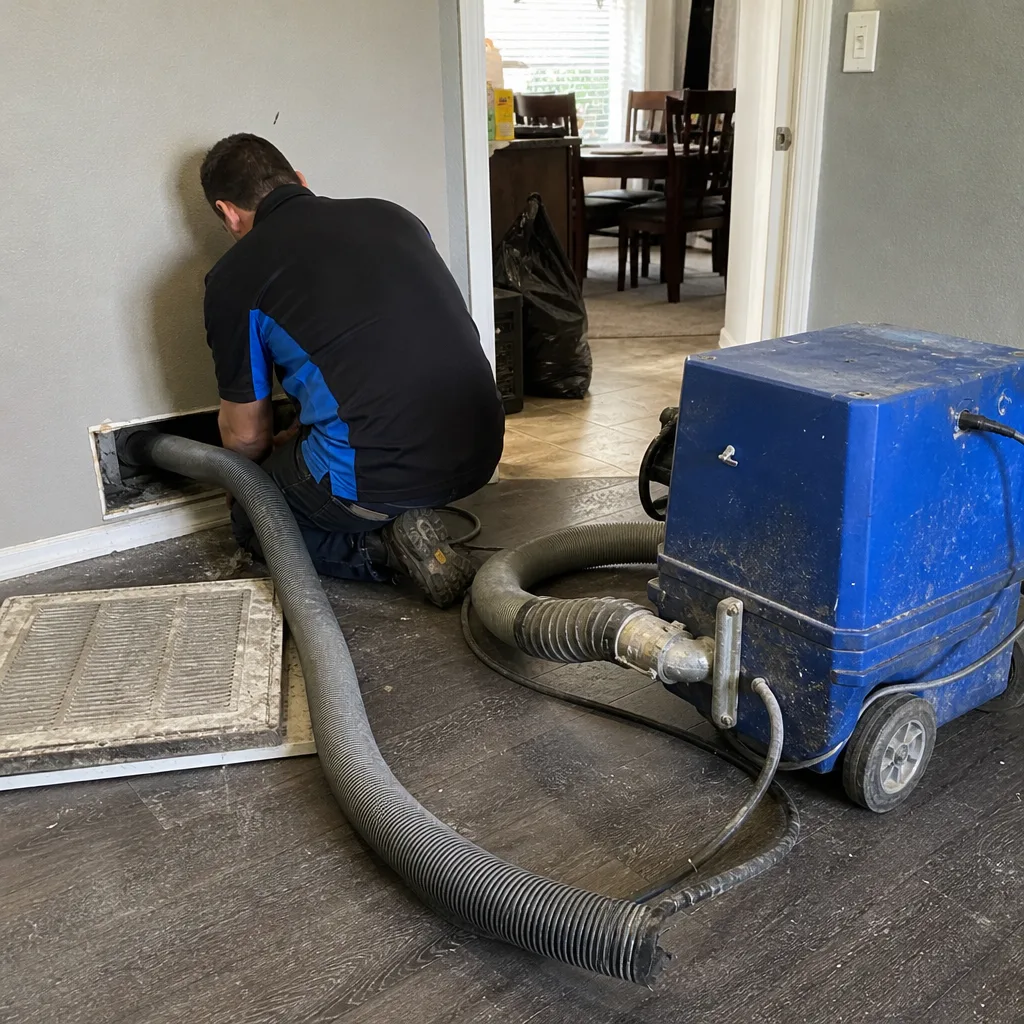 Before
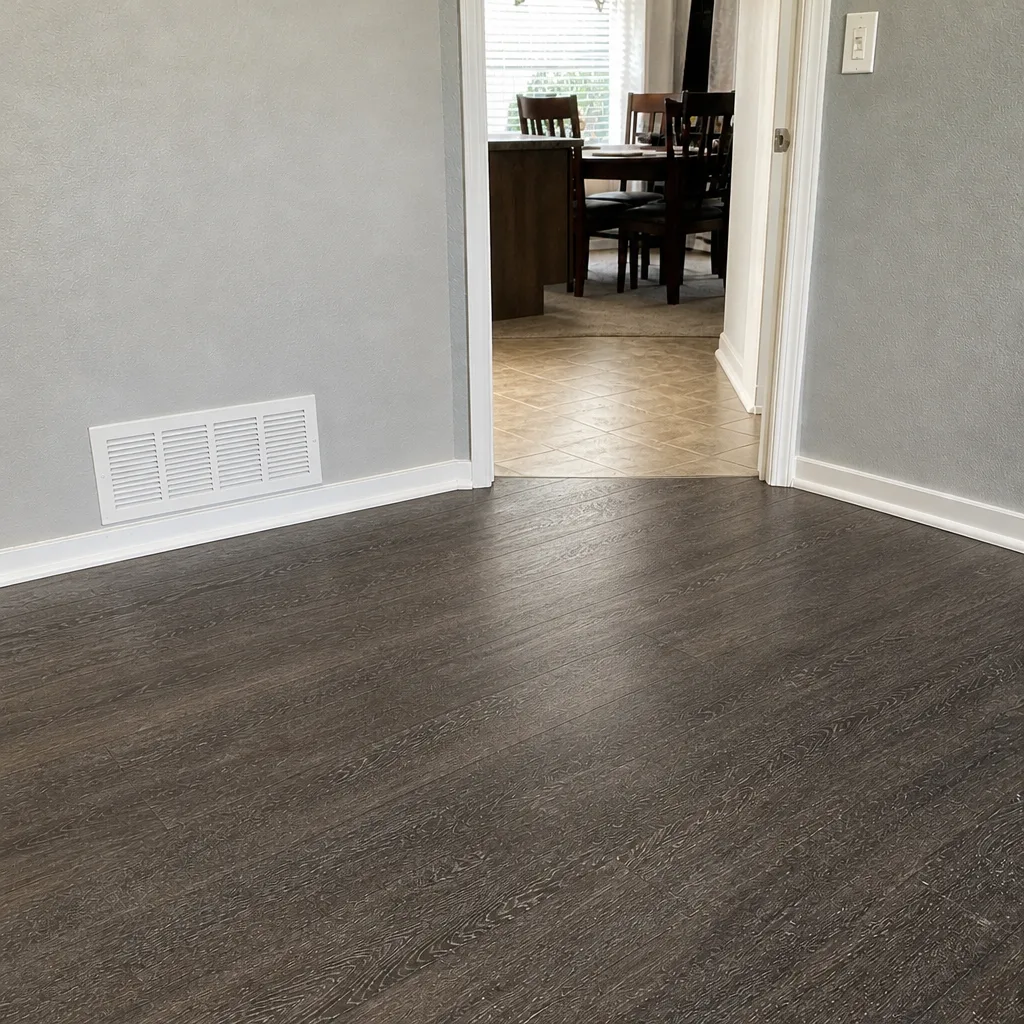 After
When to Call a Professional
Call a professional if any of these is true for your Lake City home: a register or vent shows a visible mat of debris; the dryer takes more than one cycle to dry a load, or you see lint at the exterior flapper; airflow at one or more registers is noticeably weaker than elsewhere; a return grille or air handler panel is pulling unfiltered air through a gap; you’ve just finished a renovation or moved into a home with no duct cleaning history; or it’s simply been long enough since the last cleaning that you’re unsure. A free estimate lets a technician tell you which checklist items apply and what the job actually involves, before any equipment is set up. Air Duct Cleaning Lake City offers free estimates in Lake City. Call (877) 523-5812. We answer 24/7. Fast dispatch from 7am to 7pm, Sunday through Friday.
When you call, have the four pre-cleaning answers ready (filter, register debris, dryer vent, run-hours). It makes the estimate more accurate and the visit shorter. You don’t have to know the technical terms; describing what you see is enough.
Frequently Asked Questions
Most Lake City homes need a full duct cleaning every few years, not every year, with interim filter swaps and a blower inspection each heating season. The interval shortens if you have pets, have completed a renovation, have been through a heavy wildfire-smoke season, or live in a home with a high HVAC run-time. The best answer for your house comes from the maintenance log plus a pre-cleaning check. Call (877) 523-5812 for an exact quote – estimates are free.
A cheap quote is usually a per-vent price with a very low teaser figure, and the covered scope is narrow: a few grilles, maybe a quick pass through the main trunk. The blower wheel, coil, return side, and repair work are often not included, and they show up as an add-on once the technician is at the house. Ask for a per-system price, in writing, agreed before any work starts, and ask whether the air handler and return side are part of the scope. Call (877) 523-5812 – estimates are free.
Ask for before-and-after photos of the inside of your ducts, not just the grilles, and do the post-cleaning walkthrough with the technician so you see the panels resealed and can feel airflow at the farthest register. A job that was done right produces photos because the equipment makes it possible. If you can’t get either, don’t sign the completion paperwork until you can. Call (877) 523-5812 – estimates are free.
Swap the filter and check the return grille for soot staining. If the grille has gone noticeably dark or a visible film is present inside the return box, bring the duct interval forward. If you run a 1-inch slot for your filter, ask a professional about a whole-home filtration product (Honeywell and Aprilaire are the two we install) for the return plenum; more filter surface catches more of the fine particulate, which is the fraction that slips past a thin filter. Call (877) 523-5812 for an exact quote – estimates are free.
Yes: filter swaps, grille cleaning, dryer-vent flapper checks, and the maintenance log are all homeowner tasks. What you shouldn’t attempt yourself is opening the duct system, working around the blower wheel or the coil, or running extraction equipment inside a return trunk in an attic or crawl space. Those jobs need negative-air containment and the right equipment; a shop vac in a crawl space just re-suspends dust into the home. Call (877) 523-5812 for an exact quote – estimates are free.
It protects you at home-sale disclosure (Washington home sales commonly ask about duct cleaning history), at HVAC warranty claim time, and at the point you’re deciding whether your ducts need cleaning again. A log with dates, run-hours, service lines performed, and photos is worth more than any single cleaning job. Start one today, even if it’s just a page in a folder. For a full-system check to base it on, call (877) 523-5812; estimates are free.
The Bottom Line
Treat duct maintenance as a schedule, not an event. That means a pre-cleaning check (filter, registers, dryer vent, run-hours), a post-cleaning walkthrough with sealed panels and tested airflow, seasonal tasks tuned to Lake City’s smoke season and heating season, and a log that documents both. Build the interval around your home’s actual run-time, not a national average. When a checklist item opens the system or touches the blower, coil, or dryer vent, call a professional; a per-system price agreed in writing before work starts is the number that should be in the quote. If you’re not sure where you are in the interval, get an estimate and start the log from there.
For a free estimate on duct cleaning, blower and coil inspection, dryer vent cleaning, or a full-system maintenance visit, call (877) 523-5812. We answer 24/7. Fast dispatch from 7am to 7pm, Sunday through Friday. We’re closed on Saturday, and a call outside dispatch hours is booked into the next opening.
Written by the team at Air Duct Cleaning Lake City.