
Last updated November 24, 2026
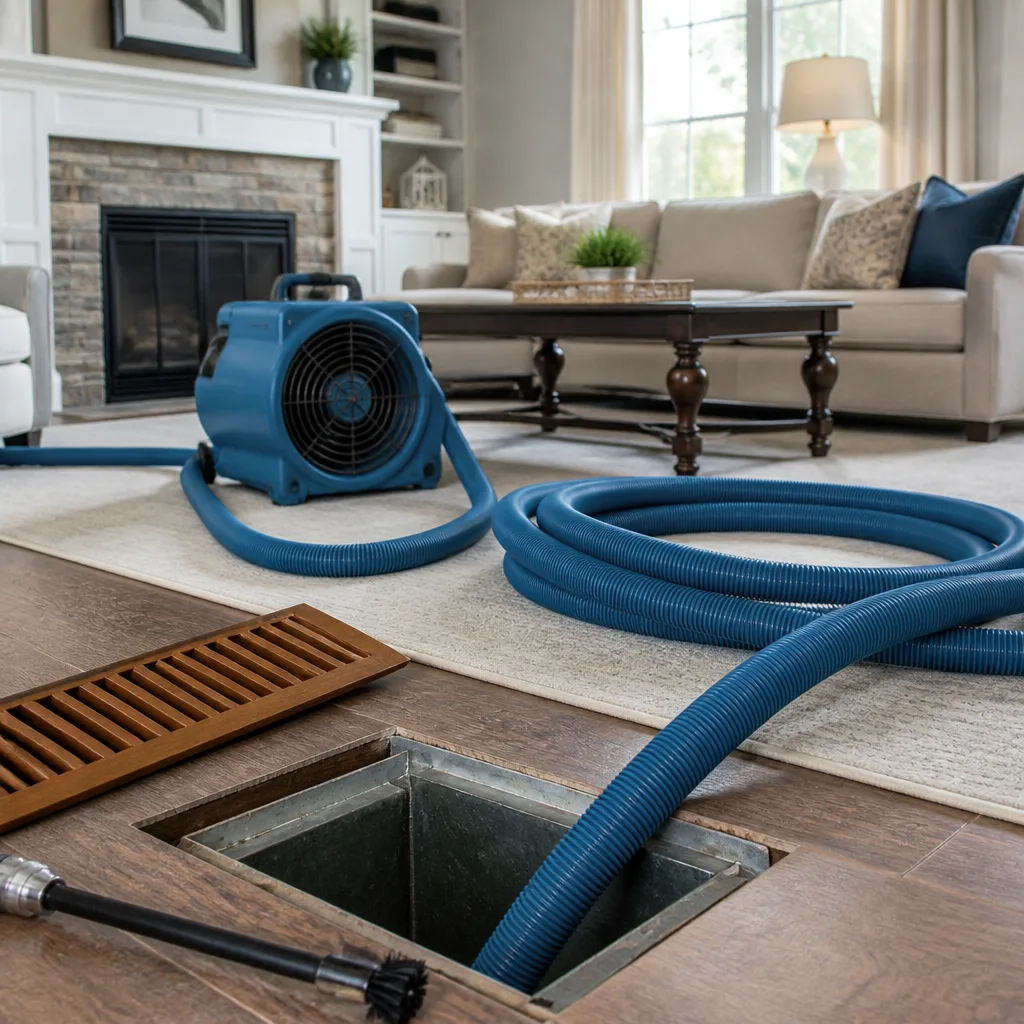 Whole-home duct cleaning
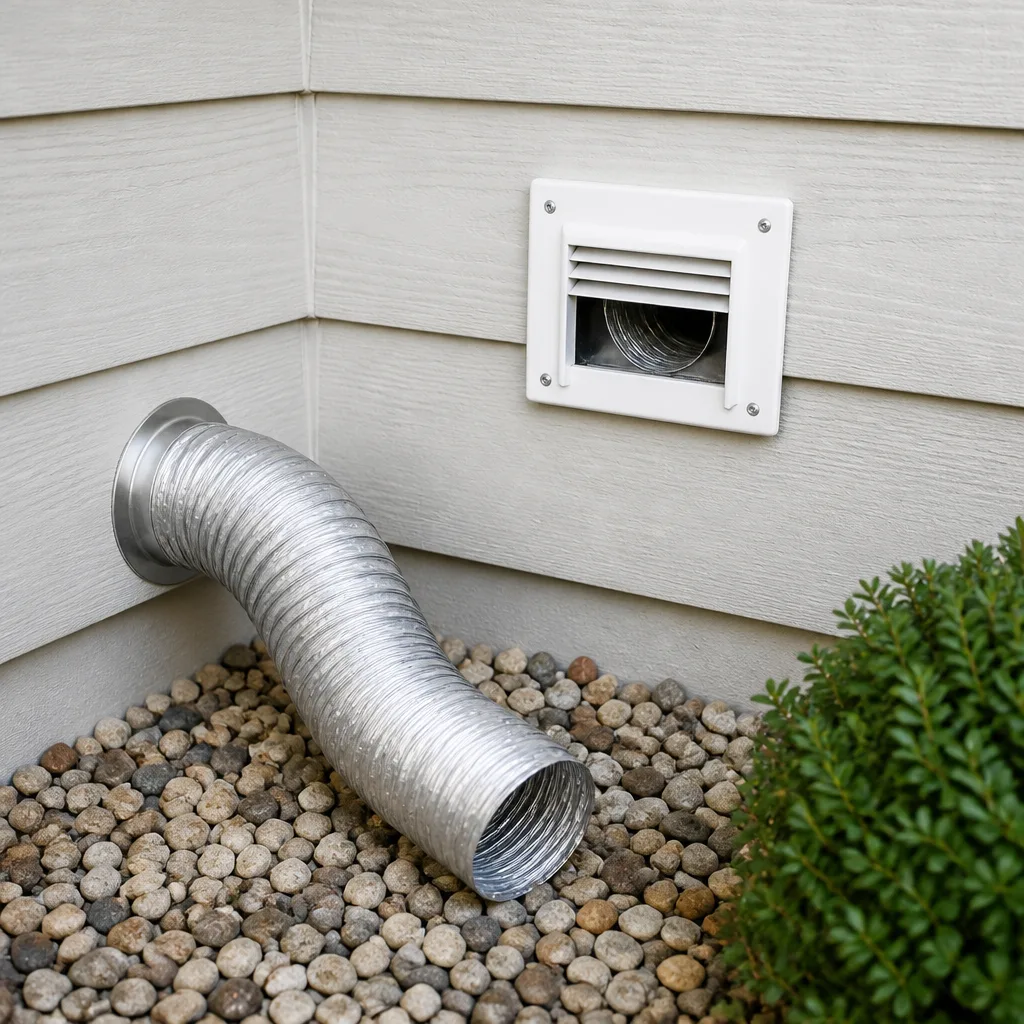 Dryer vent cleaning
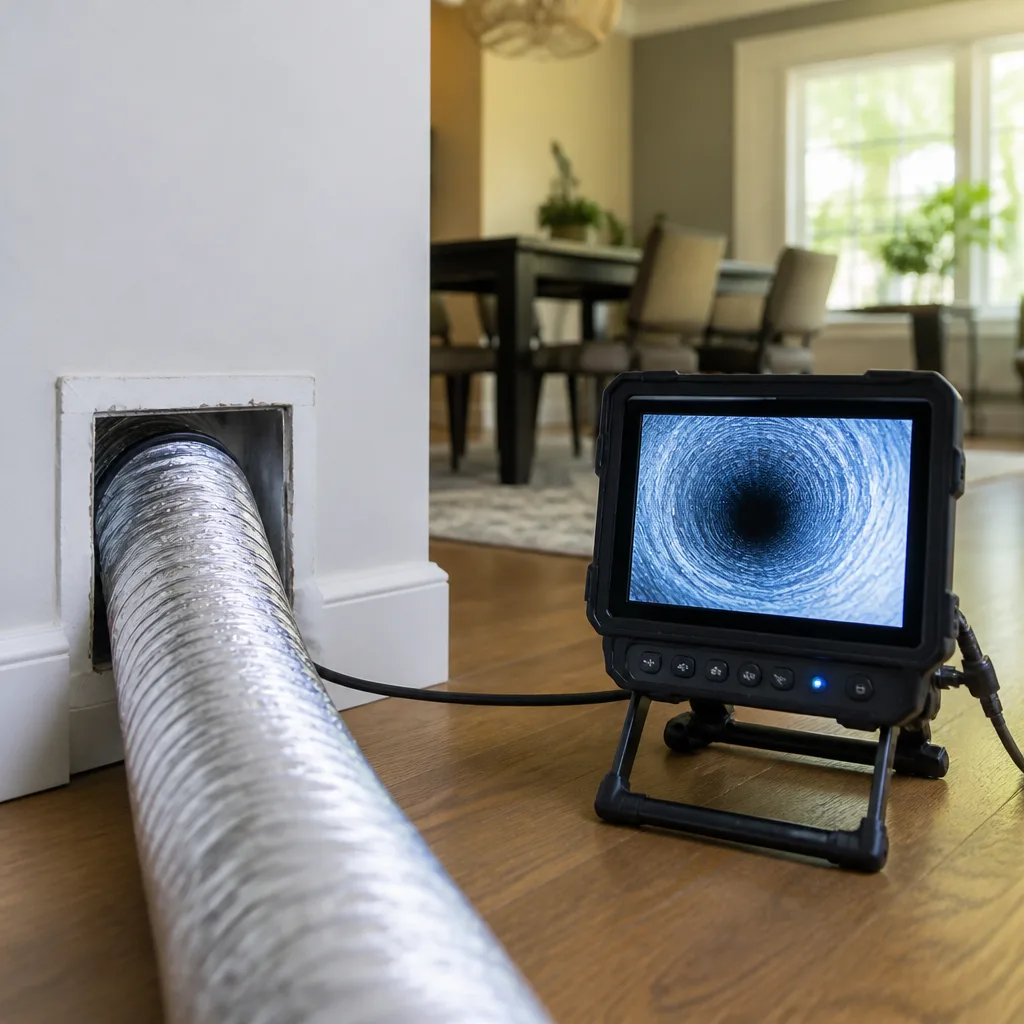 Camera inspection
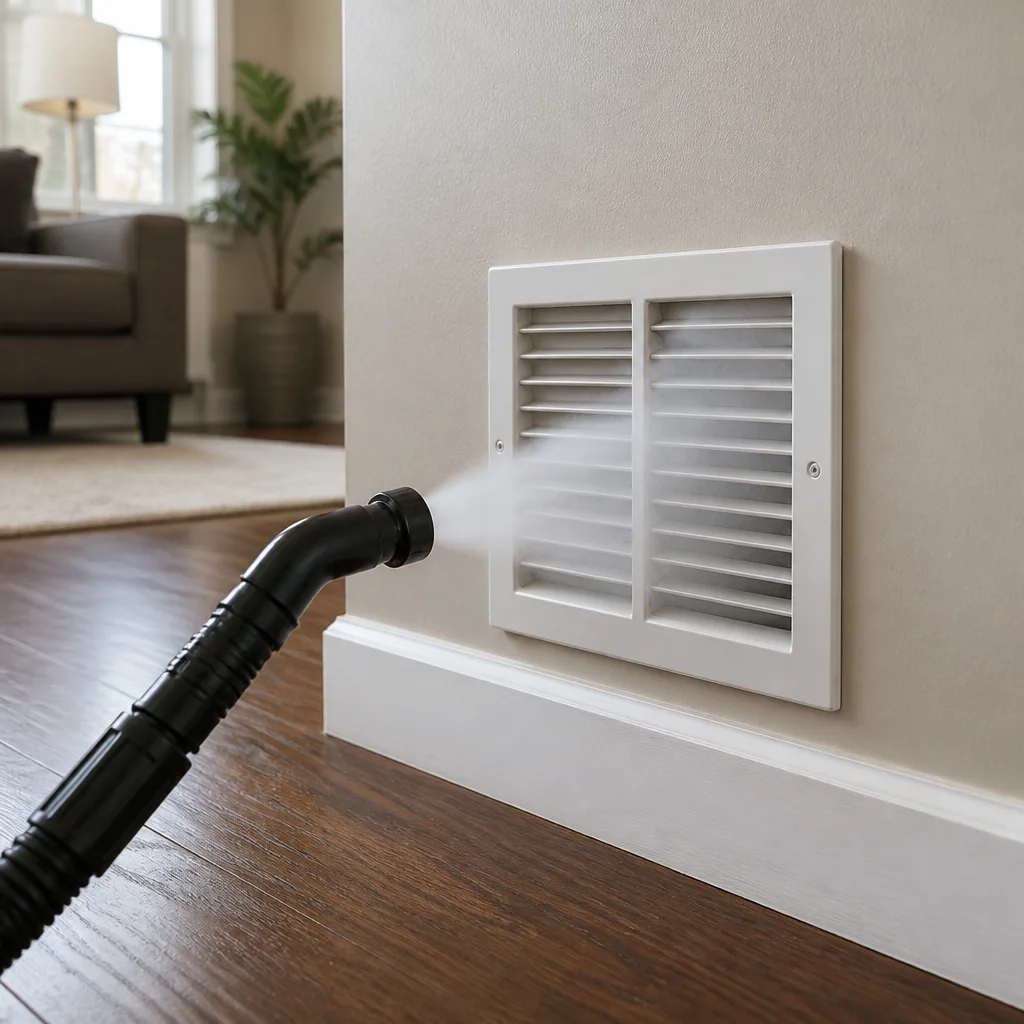 Sanitizing & deodorizing
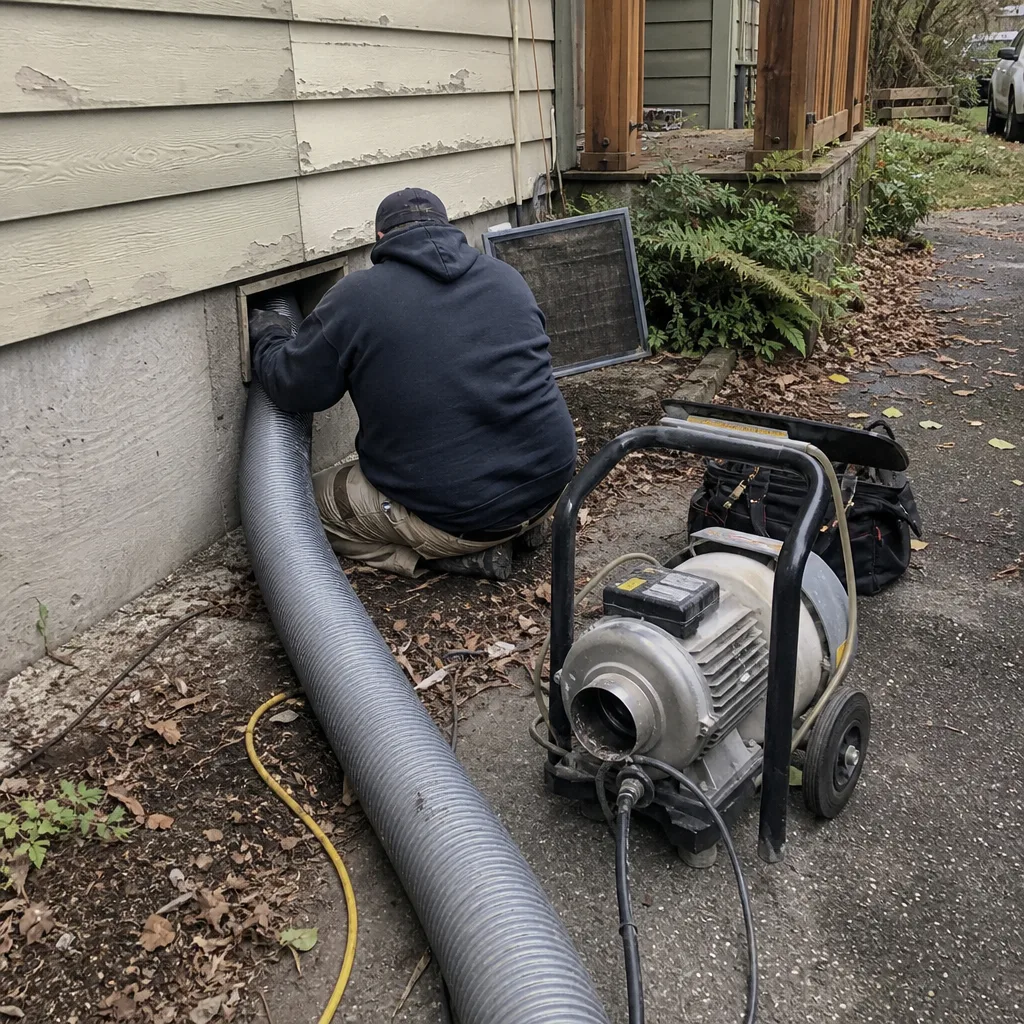
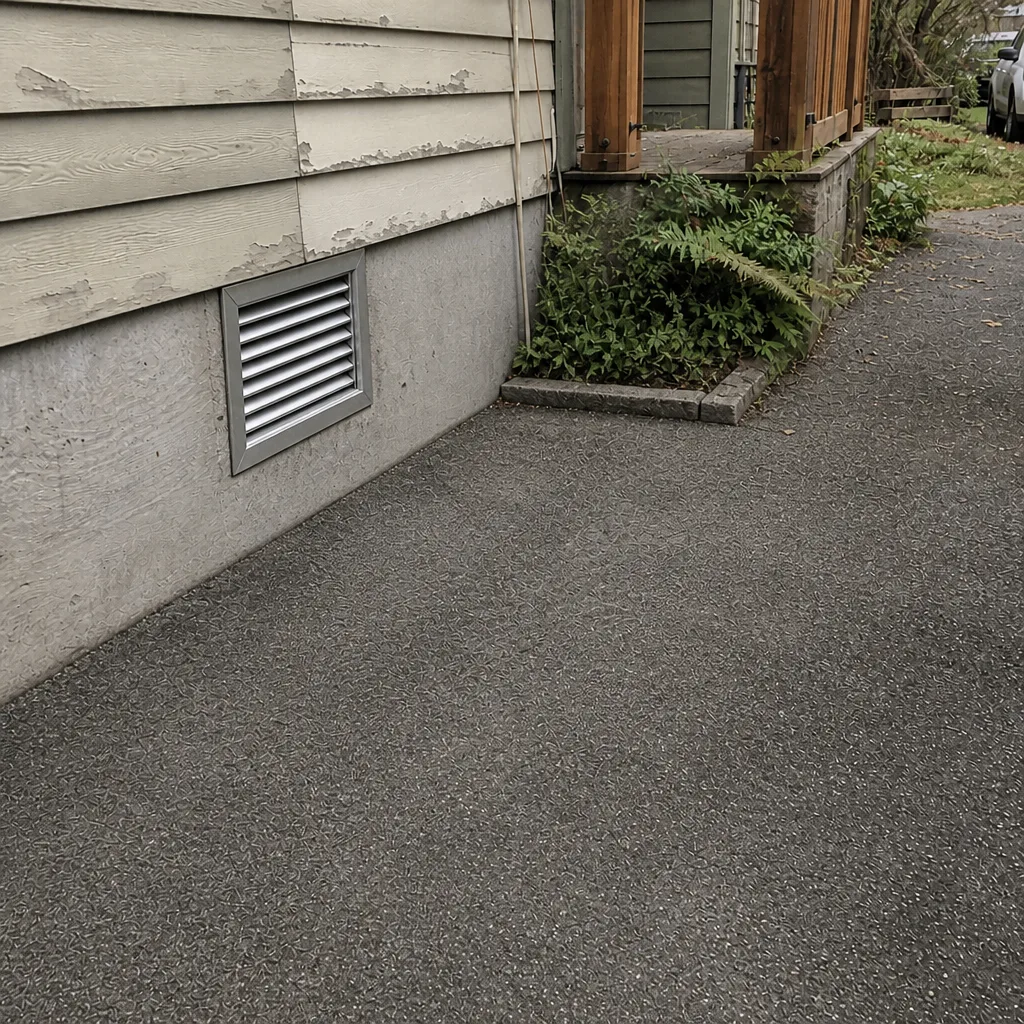
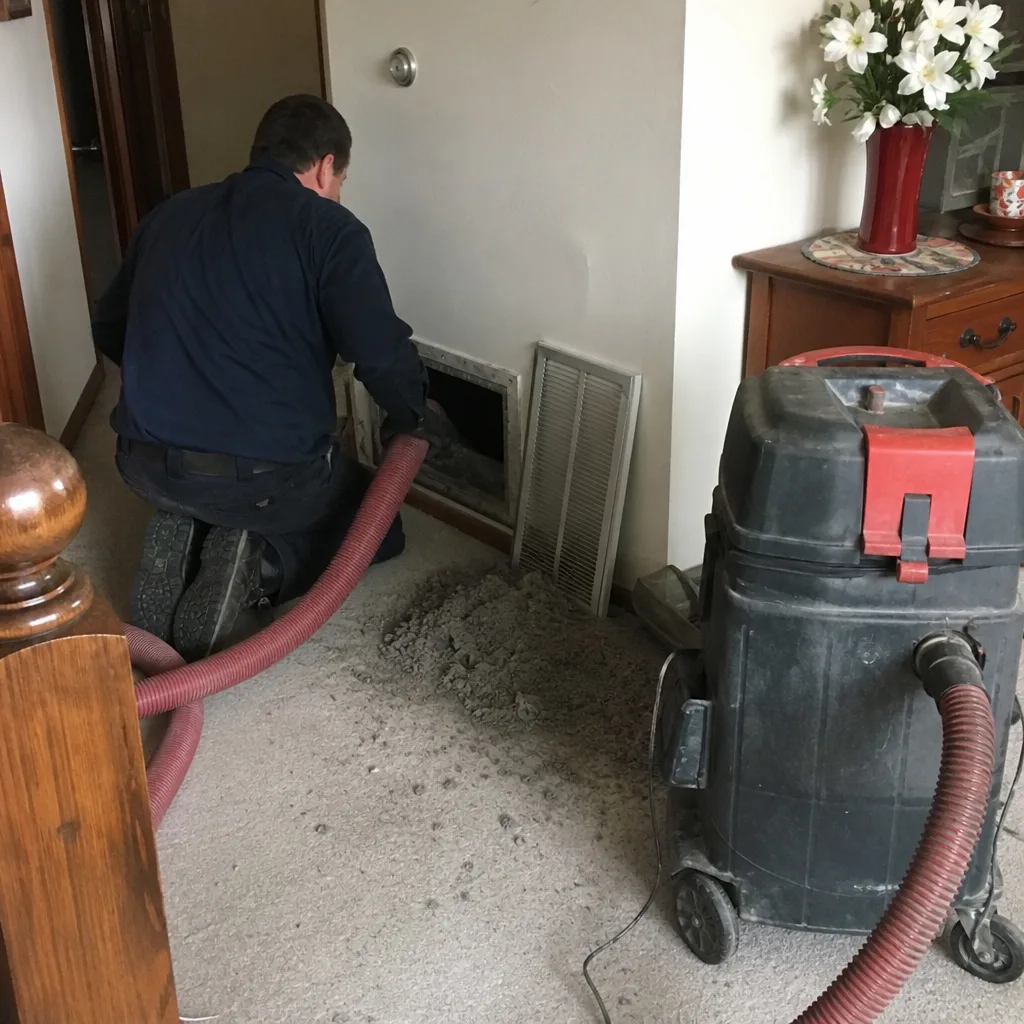
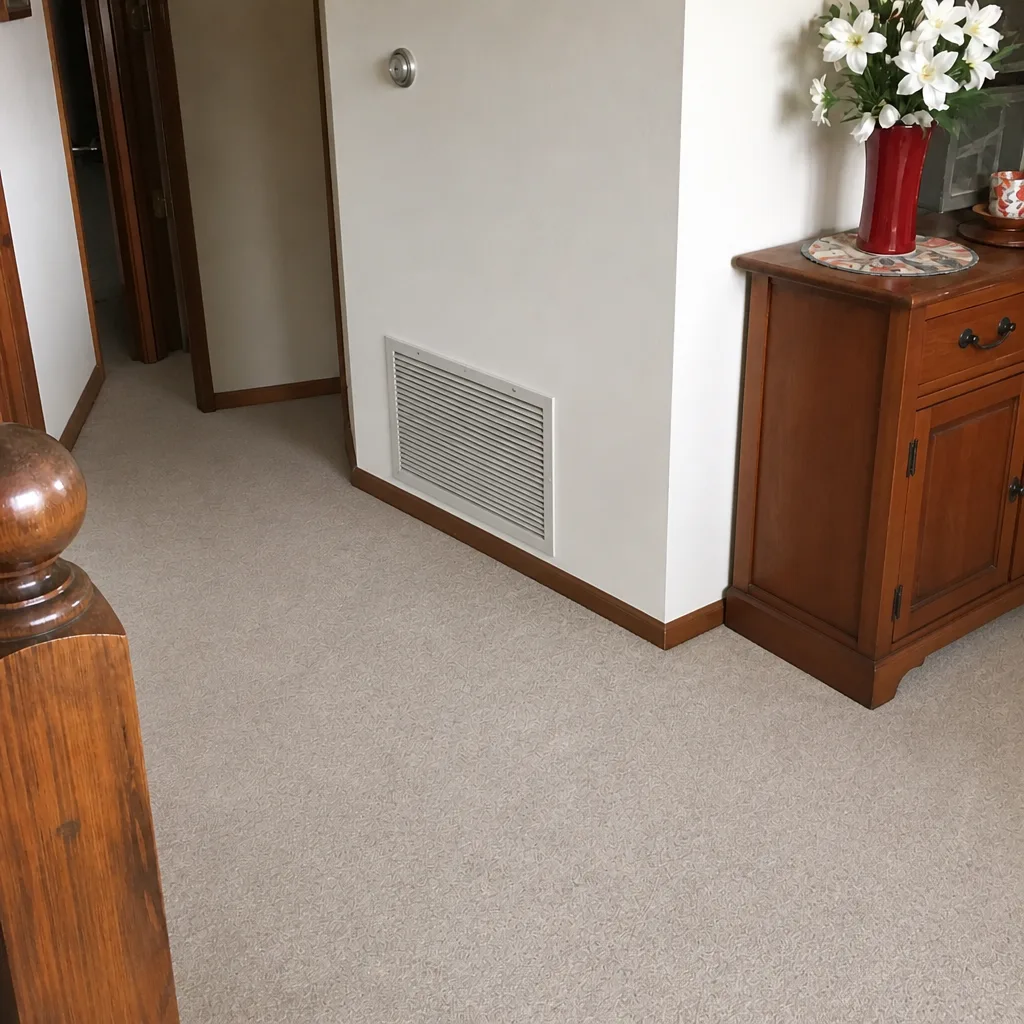
Whole-system duct and dryer vent check with before-and-after photos - you see exactly what came out of your vents
That "$99 whole-house special" is a bait ad - the real number appears once they are in your hallway, or the "clean" is a shop-vac at the register. We photograph the inside of your ducts before and after instead.
Air Duct Cleaning Warning Signs: A Lake City Homeowner’s Reference Guide
Dust on a register face is not a warning sign. It’s normal. Every supply vent in every Lake City home collects a light film of household dust, and wiping it away periodically is routine maintenance, not a symptom of a failing duct system. The signal worth acting on is dust that reappears on horizontal surfaces within 48 hours of cleaning them – that’s a different picture entirely. So is a smell that has no obvious source, a room that never heats properly, or a pattern of morning congestion that clears by mid-morning. This guide will teach you to read those signals accurately. We’ll cover what your duct system is trying to tell you, what most of it means, and when it’s time to stop investigating and call someone.
Quick Answer
The most reliable air duct warning signs in a Lake City home are dust returning to horizontal surfaces within 48 hours of cleaning, debris ejected into a room when the system starts, a persistent musty or burning smell with no obvious source, and heating or cooling that varies sharply room to room. Surface dust on vent covers alone is not a warning sign. These signals point to contamination or blockage inside the duct system that a visual check from the living space can’t confirm – which is why an inspection is the right next step rather than a guess.
Styles & brands we work with
- Whole-home duct cleaning
- Dryer vent cleaning
- Camera inspection
- Sanitizing & deodorizing
Table of Contents
- Dust Reappearance Rate: The Signal That Actually Matters
- Reading Smells: Musty, Burning, Chemical, and Biological
- Airflow Diagnostics You Can Run Without Tools
- Visible Indicators vs. False Alarms
- Health Symptoms and When They Point to Ductwork
- The Post-Renovation Warning Window
- Dryer Duct: A Separate Warning System
- Common Mistakes to Avoid
- When to Call a Professional
Dust Reappearance Rate: The Signal That Actually Matters
The eye can be fooled by surface dust, but time cannot. What separates a cosmetic dust problem from a duct system problem is how quickly dust returns after cleaning – not the amount on the register, but the rate at which it accumulates elsewhere. That rate is the honest diagnostic, and you can measure it with nothing more than a damp cloth and a calendar.
Here’s how the distinction works. In any residential home in Lake City, dust settles on surfaces continuously because air always carries particulate. That’s the baseline, and it doesn’t go away. A home with clean ductwork might see a faint film on shelves within a week or two. A home with contaminated ducts, loose joint tape, or returns pulling dust from an unconditioned space can show visible accumulation in 48 hours or less.
- Normal: A light film on a horizontal surface over 1-2 weeks. Register faces dust over. Nothing unusual.
- Watch: Visible dust on shelves within 3-5 days of wiping them. Worth investigating the system entering the space.
- Act: Visible dust within 48 hours on recently cleaned surfaces, especally near returns or in bedrooms. This points inside the ductwork.
The location matters too. Dust that concentrates heavily at one or two supply registers, rather than evenly across a room, tends to indicate a specific branch line that’s compromised – a leak in the run, debris accumulated in the branch, or a termination that’s pulling air from the wrong place. In Lake City homes built on crawlspaces, a supply or return line dislodged from its boot is one of the more common explanations for localized dust concentration, and it’s not something most homeowners can see without opening the system.
This is the test worth running before you pay for anything. Wipe down one bedroom’s surfaces, keep the room sealed with the door shut, and mark the calendar. What you see at day two or day three tells you whether the dust is coming from the room itself or being delivered through the vents. If it’s being delivered, the ductwork is the source.
Reading Smells: Musty, Burning, Chemical, and Biological
Smell is the most underrated diagnostic a homeowner has, and also the easiest to misinterpret. The same musty scent can point to a wet filter pad, a damp crawlspace feeding the return, or a small colony of mold on the galvanized liner inside a branch. Sorting smells by category first, then location, is how an inspection narrows the search. Four categories cover almost everything we encounter in Lake City homes.
Musty smells
Musty is moisture and organic material, and in the duct system it almost always traces back to one of a few places: a wet evaporator coil, a saturated filter, a humid crawlspace drawing into the return, or condensation on poorly insulated sheet metal in a cool space. If the smell gets stronger when the system starts, the source is on the supply side. If it intensifies only in a specific room, suspect the branch serving that room or the boot connection.
Burning smells
A burning smell with the heating cycle on is a stop-and-investigate signal, not a “wait and see” one. It usually points to an electrical component in the air handler, a motor that’s overheating, or dust on a heat exchanger getting hot for the first time in months. The very first run of a heating season can produce a light dusty-burn smell that fades within minutes. A burning smell that persists past the first cycle, or appears mid-winter, warrants turning the system off and having it checked by an HVAC professional before running it again.
Chemical smells
Chemical odors – solvents, plastic, new-paint, or a sharp acrid note – usually originate from a renovation, new flooring, or off-gassing materials that are being pulled into the return before the space is fully ventilated. These tend to improve quickly if the system is run with windows open and returns temporarily covered. A chemical smell that has no renovation to explain it, and that persists for days, points to something in the system itself or in the space feeding it.
Biological smells
Biological smells are distinct from musty. If you smell something that reads as animal, dead-animal, or strong decay, that’s a different problem from an active pest or a rodent that got into a duct run. It almost always needs physical removal, not just cleaning, and it’s the scenario where cleaning without addressing the entry point simply resets the clock. The ductwork needs to be opened, the material removed, and any damaged section sealed or replaced.
Any smell that’s tied to the system running, and that hasn’t cleared within a week of first appearing, is worth an inspection. Rotobrush rotary-brush extraction, which we use, is designed for exactly this kind of source-identification work rather than surface vacuuming.
Airflow Diagnostics You Can Run Without Tools
Uneven heating gets blamed on the furnace, the thermostat, the insulation, and the house itself. The duct system is often the least-suspected and most frequent cause, and you can test for it in ten minutes without a single tool. Three simple checks – the tissue test, a room-to-room comparison, and the register temperature check – are all you need to know whether to dig deeper.
- The tissue test. Hold a single-ply tissue against the face of a supply register while the system is running. It should flutter steadily and be pulled slightly toward the grille. If it’s barely moved, the register is starved. If it’s sucked tight against the grille and doesn’t flutter at all, the run is blocked downstream. Repeat at every register in the room to compare.
- The room-to-room pressure check. With all interior doors closed and the system running, crack each door open an inch and hold your hand at the gap. A strong outward push means the room is pressurized – often because the return for that room is undersized or missing. A strong inward pull means the room is depressurized and pulling unconditioned air in from wherever it can find it, including the crawlspace or attic.
- The supply temperature check. A cheap infrared thermometer (or a kitchen thermometer held against the register) will show the supply air temperature at each register. A variation of a few degrees room to room is normal. Fifteen or more degrees difference between two registers on the same trunk line means one of them is starved or blocked. In heating season, a starved register at the far end of the run indicates a collapsed flexible duct, a crushed fitting, or debris inside the run.
What these tests map to: starved registers point to blockages inside the branch line. Pressurized rooms point to return deficiency. Depressurized rooms point to return leakage. Uneven heat with no airflow difference points to a damper, a split boot, or a duct that’s simply undersized for the room it serves. In Lake City, homes with long runs to converted bedrooms or garages are the most common place we see the first two.
If a register runs cold but the room doesn’t, the ductwork is doing its job and the issue is in the space. If the register barely puts out air, the ductwork is the problem, and cleaning or repair gets it back.
Visible Indicators vs. False Alarms
The most confident-looking evidence is often the least meaningful. A homeowner who sees a dust-covered register will call a duct cleaner, while a homeowner with a serious duct contamination problem in a single room might see nothing at all. Separating visible indicators from false alarms is step one of doing this right, and it’s worth being blunt about which is which.
Not a warning sign (normal)
- Surface dust on register covers. Cosmetic. Wipe it clean. No action needed unless something else in this guide applies.
- Light dust on return grilles. The return grille collects dust because that’s the air entering. A film is expected.
- A slight musty smell the first day of the heating season. Dust on the heat exchanger burning off. Normal for a short cycle on the first run.
- Dust on ceiling fan blades. That’s a fan problem, not a duct problem – the fan itself is a dust magnet in any home.
Warning signs (not normal)
- Debris ejected into the room when the system starts. Visible particulate blown out of a supply register on system startup is the clearest single indicator that the interior of the branch is loaded. Not normal, at any age.
- Visible mold or dark staining at a register boot. The connection between the duct and the wall finish is a common place for moisture to collect. Dark staining there points to a wet duct surface.
- Pest activity at vents. Droppings, nesting material, or a visible rodent at a return grille. This is a source event, not a cleaning event, and needs to be handled with the right equipment and containment.
- Loose tape, peeled mastic, or disconnected fittings at the visible supply or return boots. This is a duct repair issue and drags dust from unconditioned space into the airstream.
- A visible temperature or airflow difference between adjacent registers on the same run. Point-and-shoot is enough to spot it.
If you recognize one of the warning signs above and want a baseline inspection, our air duct cleaning team can walk the system with you and identify the source before any work is quoted.
Health Symptoms and When They Point to Ductwork
We want to be careful here, because the connection between duct condition and health symptoms is often overstated in this industry. What we can say honestly: airborne particulate from a compromised duct system is one exposure among many, and duct condition is not a diagnosis. What we can also say honestly is that a specific timing pattern in allergy or respiratory symptoms is one of the more useful signals for deciding whether to look inside the ducts.
The patterns worth noting:
- Morning-heavy, day-clear. Symptoms that peak shortly after waking and ease once the person is out of the bedroom. This points at the room’s air, and the bedroom’s supply and return are the place to look.
- Worse on system-start. Symptoms flaring when the HVAC cycles on, especially if the flare is noticeably worse in one room. That maps to a branch line or boot issue in that room.
- Seasonal timing that doesn’t match the allergy calendar. Symptoms starting when the heating or cooling season begins, before outdoor pollen counts would explain it. This points to the system rather than outdoor sources.
- Post-renovation onset. Symptoms that appeared in the weeks after a renovation and haven’t cleared. See the next section.
- Multiple occupants, same room. If more than one person in the household reports symptoms consistent with one room, that’s a stronger signal than one person’s symptom alone.
What this doesn’t mean: dust in ducts does not cause asthma, and cleaning ducts does not cure allergies. What it does mean is that if symptoms track the system and the space in a consistent way, an inspection is a reasonable next step, not a leap of faith. If symptoms are severe, see a physician first. The duct system can be one factor and no more.
The Post-Renovation Warning Window
If there’s a 30 to 60 day window in which a Lake City home is most likely to develop a duct contamination problem, it’s the month and a half immediately after any drywall, insulation, or flooring work. This is the highest-risk period, and it isn’t close. Construction generates fine particulate that’s light enough to stay airborne for hours and small enough to pass a standard filter without being caught, and every hour the HVAC system runs during that window is an hour it’s pulling that particulate into the returns.
The typical sequence looks like this. Drywall dust fills the space. The system runs to keep the crew comfortable. Returns pull the dust through the filter (which catches some, not all), and the rest lands inside the return trunk, on the evaporator coil, and along the supply branches. By the time the crew leaves, the particulate load in the system has increased substantially even though the living space looks clean.
Warning signs specific to the renovation window:
- Dust returning to horizontal surfaces within a day or two of cleaning after renovation concludes. Ideally test one room – a bedroom, an office – about a week after the crew leaves.
- A film of fine white dust on return grilles that keeps returning after you wipe them. That’s drywall particulate, and it’s coming through the system.
- The evaporator coil visibly fouled through the access panel. A technician can check this in a few minutes, and it’s the most direct sign the particulate load reached the coil.
- New respiratory or eye irritation symptoms in the weeks after renovation. Combined with the two signs above, this is the strongest pattern to act on.
Good practice during a renovation is to cover the returns with a temporary barrier and change the filter often, but that only reduces the load, not eliminates it. A proper post-renovation cleaning using negative-air containment, like the Abatement Technologies filtration setups we run, is what removes the remaining particulate without spreading it during the process. If you’ve finished a renovation recently and haven’t had the system looked at, that’s the single most useful inspection you can book in Lake City this year.
Dryer Duct: A Separate Warning System
Dryer vent warning signs deserve their own section because they’re frequently mistaken for appliance problems, and because the stakes are different – a clogged dryer duct is a fire risk, not just an efficiency loss. The warning signs are distinct and easy to read if you know what to look for, and they should never be treated as a cleaning add-on to a monthly to-do list. They’re the reason to call.
Read these signals honestly:
- Clothes taking longer than usual to dry. If the dryer used to finish a load in one cycle and now needs two, that’s the pipeline narrowing, not the dryer getting older.
- The dryer or the clothes feeling noticeably hot at the end of a cycle. Heat that can’t escape has nowhere to go. A warm load is normal; a hot dryer top and scalding clothes are not.
- The exterior dryer vent flap not opening fully, or opening weakly. Watch the outdoor vent while the dryer runs. It should open visibly and push air strongly. A weak flap points to a partial blockage.
- Lint accumulating around the outside of the dryer or behind it. Lint that’s escaping the system is lint that’s not exiting. That’s what builds up inside the duct.
- A musty smell in the laundry room after a drying cycle. Moisture is trapped in the duct and has nowhere to vent.
- The humidistat or moisture sensor in the laundry area reading high after a cycle. Same explanation.
If more than one of these applies, stop using the dryer until it’s inspected. Our dryer vent cleaning service covers the full run from the dryer connection to the exterior termination – the section most often neglected – and verifies that the whole pathway is clear, not just the first foot.
Common Mistakes to Avoid
- Treating surface dust on registers as a warning sign. It’s the most common false alarm in Lake City homes. The rate at which dust returns to horizontal surfaces is the signal, not the amount sitting on the vent cover. Running a cleaning based on the register alone usually bills for work that didn’t address anything.
- Waiting for a smell to “go away on its own.” A musty smell that’s been present for weeks rarely clears without addressing the moisture feeding it. In Lake City’s wet winters, a duct that stayed damp through a heating season won’t dry out on its own – the source has to be found and corrected.
- Assuming uneven heating is a furnace problem. Uneven heating room to room, with no obvious explanation, is more often the duct system than the equipment. Test before you replace. A ten-minute tissue test at each register is cheaper than a service call on a furnace that was probably fine.
- Skipping the post-renovation inspection. This is the window most often missed, especially by homeowners who scheduled the renovation themselves and assumed the drywall cleanup was enough. It never is – the interior of the ductwork doesn’t get touched by a shop vac.
- Using a shop vac on a duct system. A shop vac without HEPA filtration and without containment spreads the same particulate you’re trying to remove. It also can’t reach past the first few feet of a flexible run. This is one of the reasons Rotobrush rotary-brush extraction exists – the brush reaches the interior surface of the duct, and the vacuum that captures the loosened material is designed for it.
- Ignoring a burning smell as a “first run of the season” issue. A faint first-run smell is normal. A burning smell mid-season, or one that appears when the system isn’t warming up from a cold start, needs the system shut off and a technician called. This is not a duct cleaning matter; it’s a safety matter.
- Cleaning ductwork and then ignoring the dryer vent. The two systems are separate and both are worth checking. The dryer vent carries lint, heat, and moisture; a duct cleaning that doesn’t verify the dryer vent leaves a known risk in place.
When to Call a Professional
The line between “watch it” and “call someone” comes down to whether the evidence points inside the ductwork. If you’ve done the tissue test, the room-to-room pressure check, and the dust-rate test, and you have signals pointing at the interior of the system, that’s when to call. Specifically: debris ejected into a room on system startup, dust returning to horizontal surfaces within 48 hours of cleaning, a persistent musty smell with no obvious source, visible mold or pest activity at a register boot, or heating and cooling that varies sharply between rooms with no equipment explanation.
It’s also the right call when the evidence points to a repair, not just a cleaning. Loose tape, disconnected boots, crushed flexible runs, and compromised terminations are all common in older Lake City homes, and cleaning without sealing those points simply restores a system that will re-contaminate. That’s where the value of a provider who does both sits – cleaning and duct repair under one roof, so the system is finished, not just touched.
Air Duct Cleaning Lake City offers free estimates in Lake City. Call (877) 523-5812. We answer 24/7. Fast dispatch from 7am to 7pm, Sunday through Friday. The written estimate sets the final price – one flat price per system, no per-vent pricing.
See the difference
 Before
 After
 Before
 After
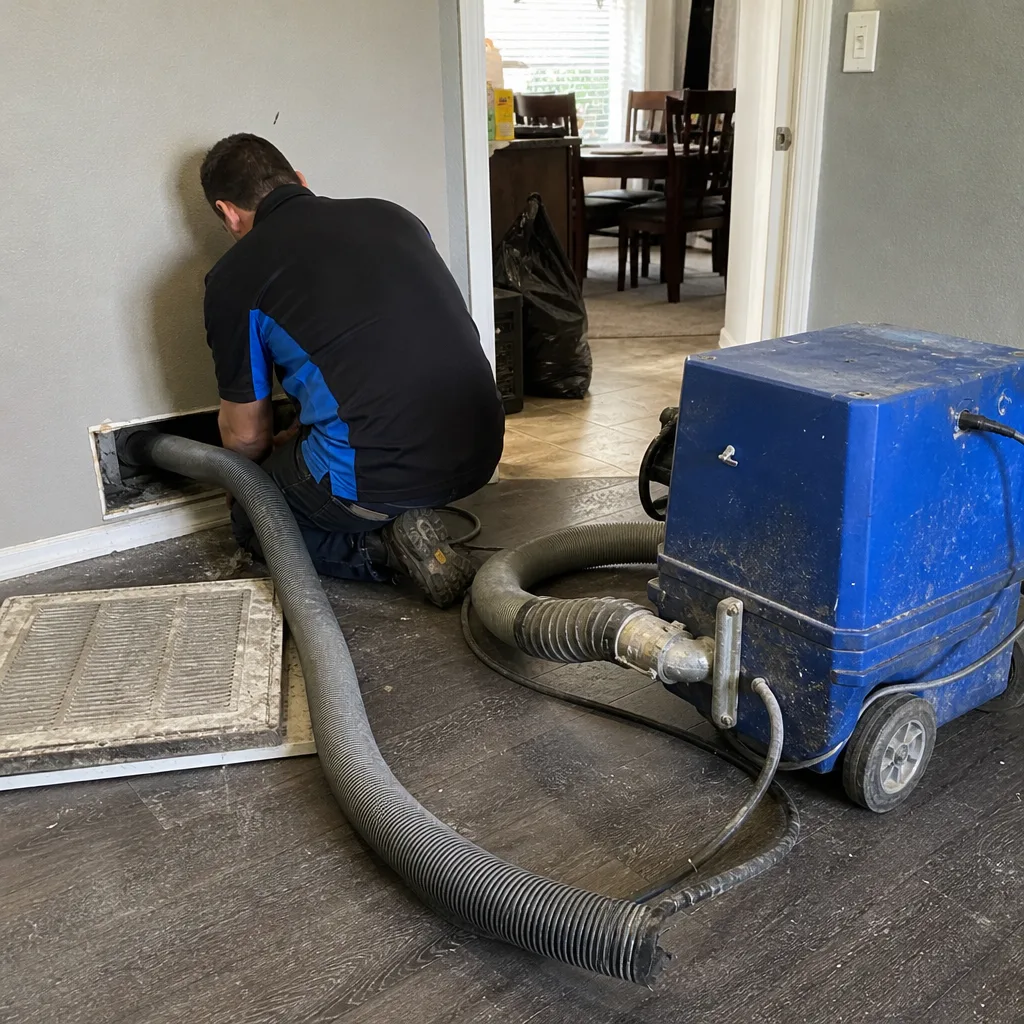 Before
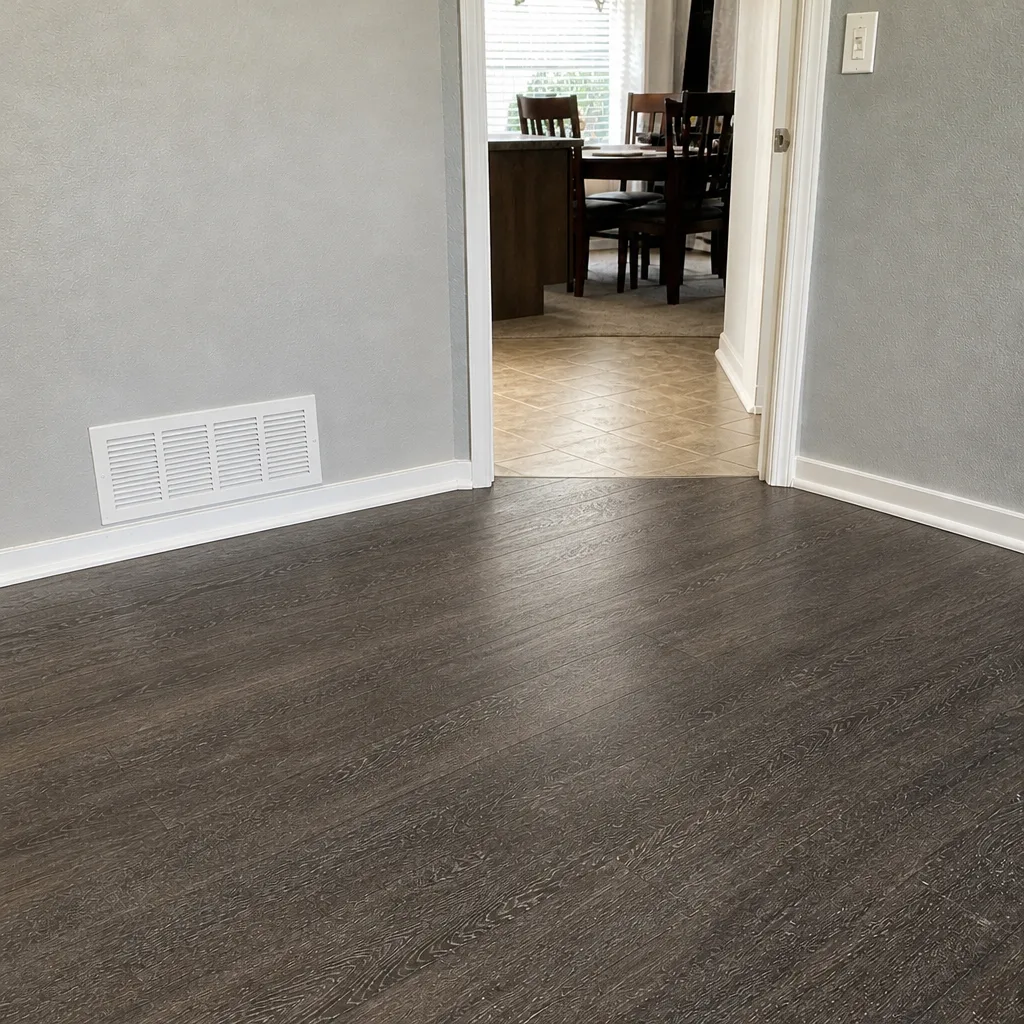 After
Frequently Asked Questions
For most Lake City homes, every three to five years is a reasonable baseline, but that’s a schedule, not a rule. Homes with pets, recent renovations, or a household member with respiratory sensitivities usually need it more often. The right first step is a free inspection – the honest answer is that a specific home’s needs depend on what’s actually in the system, and a good technician will tell you when cleaning isn’t yet warranted.
The cheap quotes usually reflect a per-vent price that doesn’t cover the full system – the return trunk, the main supply plenum, the air handler, and the coil are the expensive parts to reach, and many low-price quotes skip them. Poor quotes also tend to use entry-level vacuums without containment, so particulate is spread through the living space during the work. We quote a flat price per system after we’ve inspected it, and we use Rotobrush and Nikro equipment with negative-air containment. Ask any provider what equipment they use and whether the entire system – not just the branches they can reach – is covered. Call (877) 523-5812 for an exact quote; estimates are free.
Before-and-after photos of your own ducts, taken at the same access points, are the baseline. Beyond that, the home itself is the honest test – dust returning less quickly to horizontal surfaces, registers blowing stronger, smells clearing, and heating and cooling evening out are the changes a real cleaning produces. A provider who can’t or won’t show you before-and-after photos of your own system has told you something about the process.
No. Surface dust on register covers is normal in any Lake City home and is cosmetic, not diagnostic. The signal that points to duct contamination is dust coming back to horizontal surfaces within 48 hours of cleaning them, or debris ejected into the room when the system starts. Those two are worth acting on. A dust-covered register alone is not.
It can reduce one exposure source, not eliminate the cause. If allergy or respiratory symptoms track the system – worse in one room, worse on system-start, or worse in the morning – duct condition is worth investigating alongside a physician’s advice. Cleaning ducts does not treat or cure allergies, and anyone who tells you otherwise is overselling. What cleaning can do is remove accumulated particulate from a system that’s shedding it, which reduces the exposure load.
The 30 to 60 days immediately after any drywall, insulation, or flooring work. Construction particulate is fine enough to stay airborne and small enough to reach the returns, and every hour the HVAC system runs during a renovation is an hour it’s drawing that particulate into the system. A post-renovation inspection with proper containment is the most useful thing you can book in that window. Call (877) 523-5812 when the dust hasn’t settled – estimates are free.
The Bottom Line
The honest read on duct-cleaning warning signs is that the loudest signals are often false alarms, and the quieter ones are what matter. Surface dust on a register, a light film on a return grille, and a hint of mustiness on the first cycle of the season are all normal. What isn’t normal: dust returning to horizontal surfaces within 48 hours of cleaning, debris ejected into the room on system start, a persistent smell that doesn’t clear, sharp room-to-room temperature variation with no equipment explanation, or a dryer vent that’s gotten noticeably slower. Every one of those is worth an inspection. None of them is a reason to panic. The right response is to read the signal, do the free-home tests, and call when the evidence points inside the system. That’s the sequence – and it’s a better sequence than a cold sales call or a coupon-driven cleaning you didn’t need.
For a full-system inspection – cleaning, repair, sealing, and air quality all handled by one provider – call Air Duct Cleaning Lake City at (877) 523-5812. We answer 24/7, and we dispatch 7am-7pm Sunday through Friday. The written estimate sets the final price, before-and-after photos are part of every job, and the technician on the visit works with Rotobrush, Nikro, and Abatement Technologies equipment from the blower to the vent cover. A good first call is a free estimate. A good second call is HVAC cleaning if the coil or plenum is where the dust is concentrated.
Written by the team at Air Duct Cleaning Lake City.