
Last updated November 24, 2026
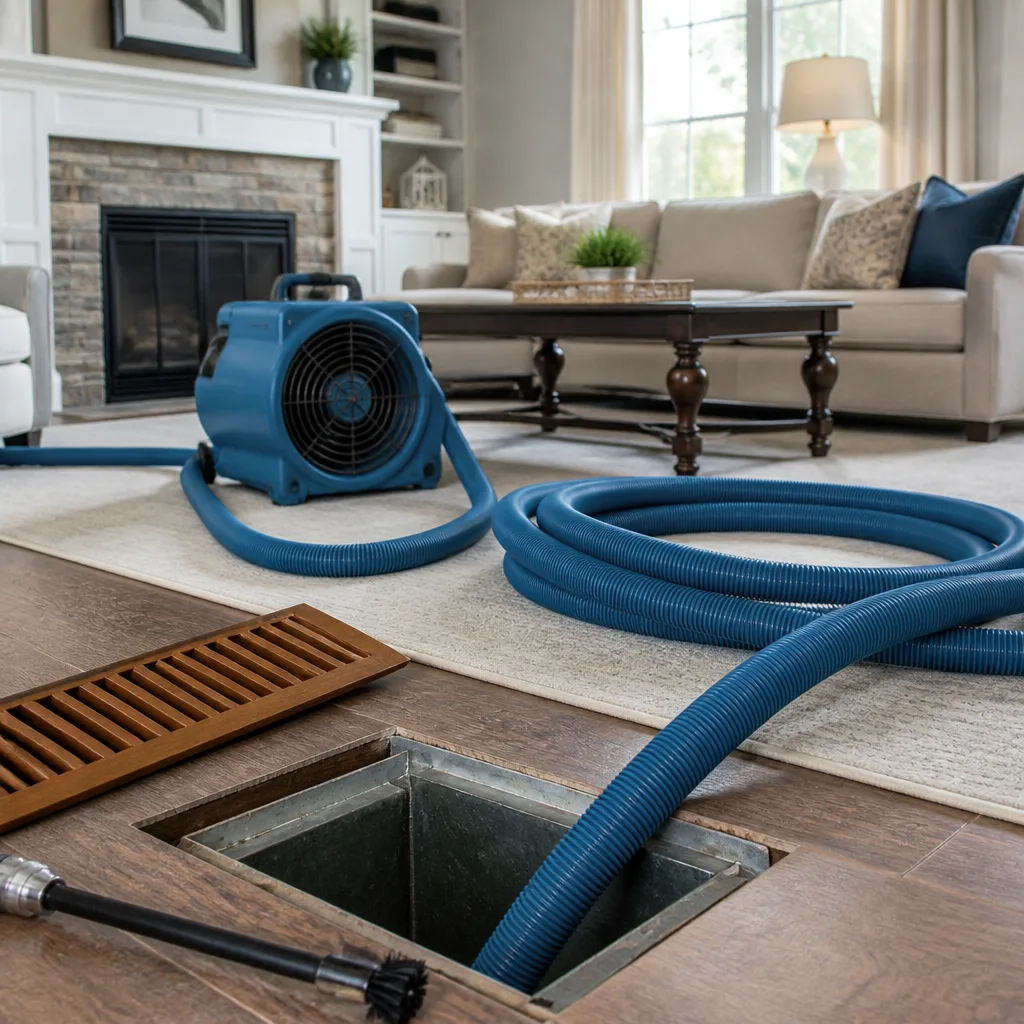 Whole-home duct cleaning
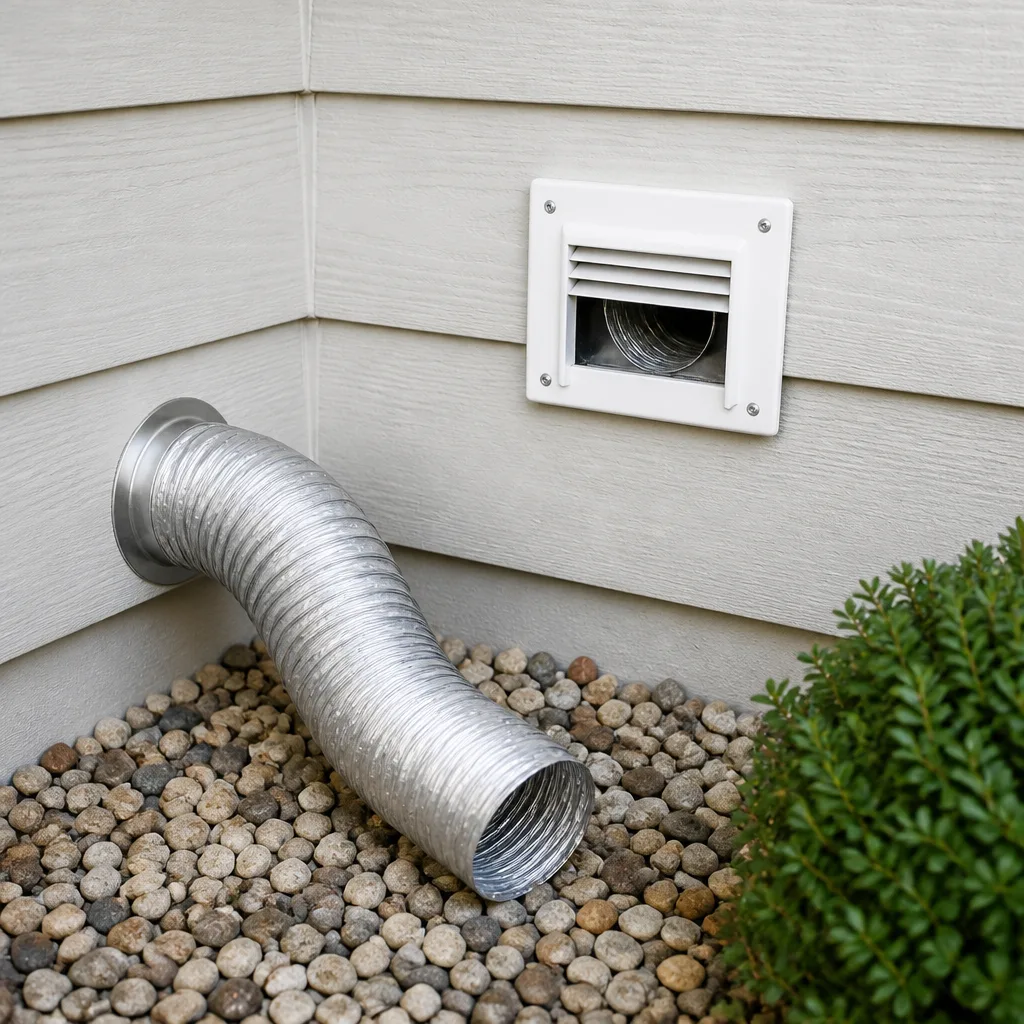 Dryer vent cleaning
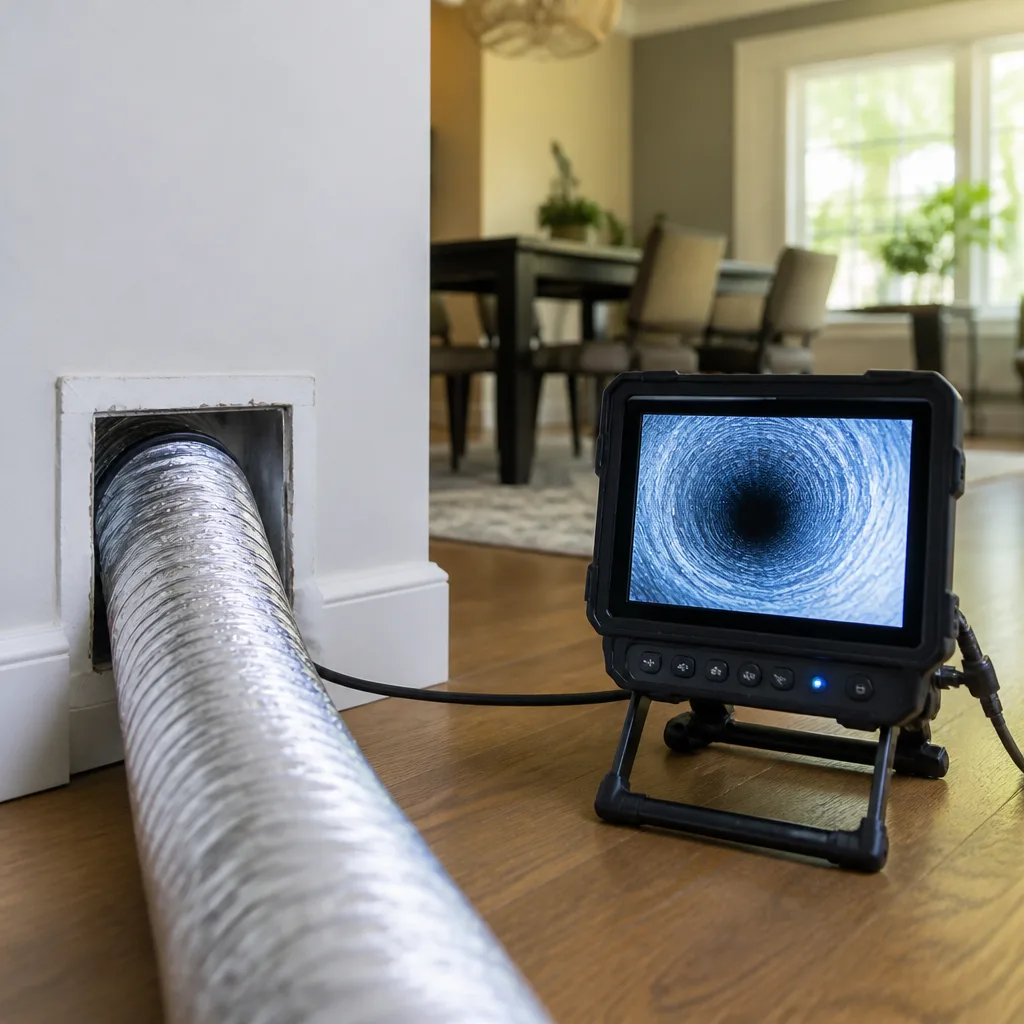 Camera inspection
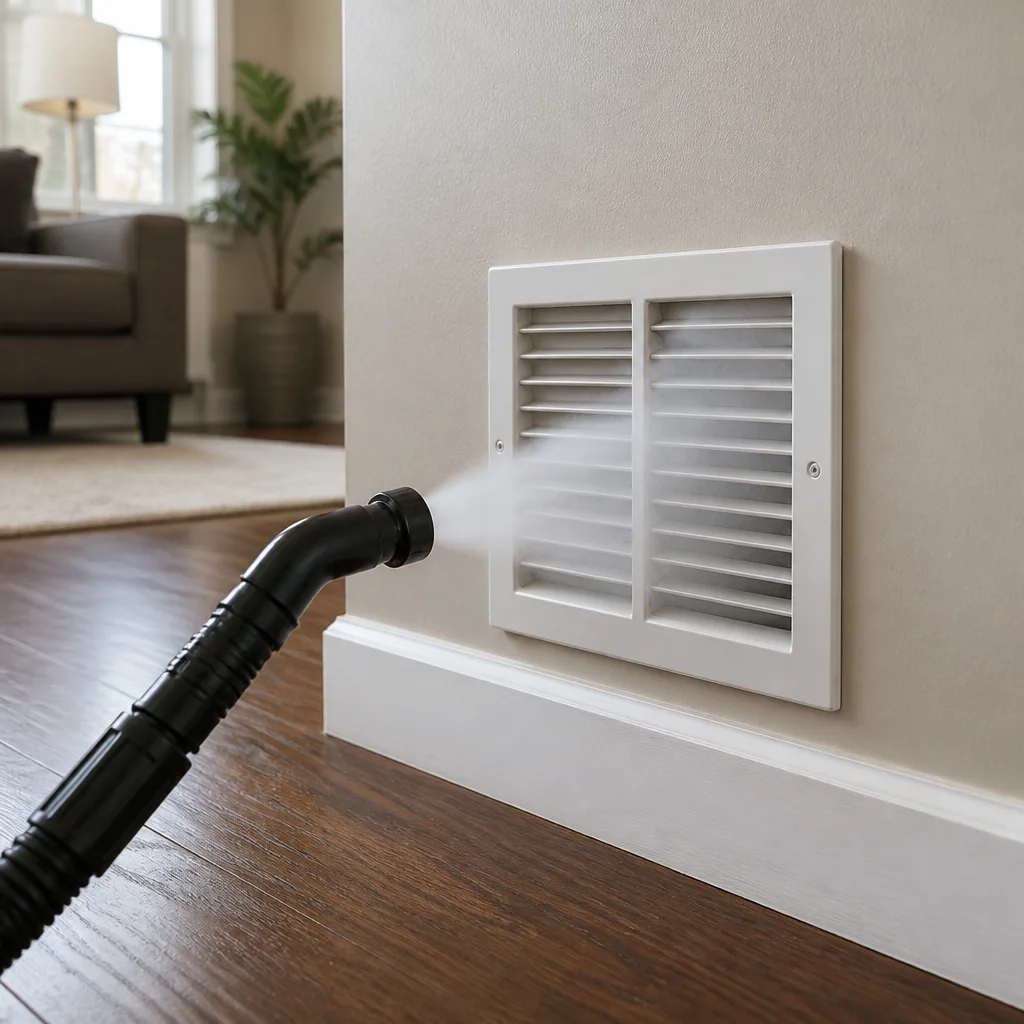 Sanitizing & deodorizing
Whole-system duct and dryer vent check with before-and-after photos - you see exactly what came out of your vents
That "$99 whole-house special" is a bait ad - the real number appears once they are in your hallway, or the "clean" is a shop-vac at the register. We photograph the inside of your ducts before and after instead.
The Complete Guide to Air Duct Cleaning in Lake City
Most complaints about duct cleaning come from the same root cause: the ducts got scrubbed, but the air handler, blower wheel, and coil were never touched. Dust and biological growth on those components blow straight back through freshly cleaned ducts within weeks. The system recontaminates itself. That’s a cosmetic job, not a real one.
What separates a lasting result from a temporary one is sequence. A complete job moves through the entire air pathway in order, from return grille to supply vent, and it doesn’t skip the parts you can’t see. This guide maps every component, the equipment that actually matters, and the decisions a Lake City homeowner faces before anyone arrives. You’ll know what a complete job looks like, how to read it when it’s done, and when cleaning alone won’t hold.
Quick Answer
Air duct cleaning in Lake City is the mechanical cleaning of every component in the air pathway – supply and return ducts, the plenum, air handler, blower wheel, coil, and drain pan – using professional-grade negative-pressure equipment and rotary brush extraction. A complete job follows a fixed sequence: contain and put the system under negative pressure, clean the air handler and coil first, then the duct runs, verify with a camera, and seal or sanitize only after the cleaning is proven. Cleaning the ducts without the air handler is the most common reason results don’t last.
Styles & brands we work with
- Whole-home duct cleaning
- Dryer vent cleaning
- Camera inspection
- Sanitizing & deodorizing
Table of Contents
- Why Lake City Ducts Get Dirty Differently
- The Anatomy of the Air Pathway
- The Sequence of a Complete Cleaning
- What Professional Equipment Actually Does
- How to Read a Post-Cleaning Verification
- When Cleaning Isn’t Enough: Repair, Sealing, Sanitizing
- What Duct Cleaning Costs in Lake City
- How to Choose a Duct Cleaner in Lake City
Why Lake City Ducts Get Dirty Differently
Lake City sits in a climate with long damp stretches and a short window of wildfire smoke. That combination produces contamination patterns you won’t find in a dry inland market, and it changes what a cleaning should focus on.
During the damp months, the air handler and evaporator coil stay wet between cycles. Moisture on a coil is where biological growth starts, and once it’s established there, no amount of duct vacuuming removes it. The ducts themselves take on a fine film that, in damp air, holds onto dust instead of shedding it. Return plenums – often the dirtiest single component in a Lake City home – collect that film where the air is slowest and the cabinet is least visible.
The smoke window
When wildfire smoke settles over the region, HVAC systems pull it in through every return. Fine particulate lodges in filter media first, but with a filter that’s overdue, it reaches the blower wheel and coats it. A loaded blower wheel moves less air and draws more current. Homeowners often notice this as a system that “runs all the time” or a house that won’t hold temperature.
Older housing stock and tight retrofits
A good share of Lake City’s housing was built before ducted systems were engineered for airtight envelopes. When these homes get new windows and insulation, the envelope seals but the ductwork doesn’t. Leaky returns then draw from crawlspaces, attics, and wall cavities instead of conditioned space. That’s a duct repair and sealing problem, not a cleaning problem – and it’s why cleaning alone sometimes seems to “not work” in these homes.
Understanding these local patterns is the first decision point. If your home sits in a damp, shaded pocket of Lake City, expect the coil and plenum to be the priority. If you’re near a busier corridor where smoke and road dust both reach the envelope, expect the return side to need more attention.
The Anatomy of the Air Pathway
To judge a duct cleaning quote, you need to know what’s in the system. Here’s every component, in the order air travels, and why each matters:
- Return grilles and return ducts. Where air leaves the rooms. These carry the heaviest load – skin cells, pet hair, dust – and are almost always the dirtiest runs. If a cleaner focuses on supply vents, the job is backwards.
- Return plenum. The transition cabinet where return ducts meet the air handler. It’s the collection point for everything that made it past the filters, and it’s frequently neglected in cheap jobs because it sits in a cramped mechanical closet.
- Filter rack and filter. A filter that’s been overdue loads the components downstream. During cleaning, the rack itself needs cleaning so the new filter seals.
- Air handler cabinet. The metal box around the blower and coil. Dust settles on its interior surfaces and gets pushed back into the system.
- Blower wheel. The fan that moves the air. Dust builds on the blades, unbalances the wheel, and cuts airflow. A dirty blower wheel is one of the most common “hidden” causes of poor airflow in Lake City homes.
- Evaporator coil. The finned surface where cooling happens. Damp and dust together make this the highest-risk surface for biological growth. It needs cleaning, and in damp climates it may need sanitizing after cleaning.
- Drain pan and drain line. Where condensate collects. A dirty pan is a growth site and a clog risk. Cleaning it is part of a complete job, not an add-on.
- Supply plenum and supply ducts. Where cleaned air travels back to the rooms. Clean these last so they aren’t recontaminated by the work upstream.
- Supply registers and vent covers. The visible end of the pathway. They should come off, get cleaned, and go back on after the ducts.
That’s the pathway. A complete job addresses every component in order. A “duct cleaning” that starts and ends at the ducts misses most of it, which is where the recontamination problem begins.
The Sequence of a Complete Cleaning
Sequence isn’t a detail – it’s the whole point. Clean the supply side first and the dirty air handler will re-contaminate it before the job ends. A complete professional job follows a fixed order, and you can watch for it. Here’s the sequence we follow on every eligible job, and it’s worth knowing before you hire anyone in Lake City.
- Inspect and document. Before any equipment runs, we walk the system, photograph what’s there, and identify the components, access points, and any existing damage. This is also where leaks and disconnected runs get flagged.
- Set up containment. Access openings are created at the plenums and at the duct runs. Abatement Technologies air-filtration equipment runs to keep particulate under control during the work – the same containment and negative-air approach used in remediation work.
- Put the system under negative pressure. A high-volume vacuum pulls the entire duct system into negative pressure, so loosened debris travels to the collection unit instead of into the rooms. This step is what keeps a cleaning from becoming a dust event.
- Clean the air handler and coil first. The blower wheel, cabinet interior, coil, and drain pan are cleaned before the ducts. Cleaning upstream components last would undo everything downstream. Coil cleaning happens here, and if the coil shows growth, this is where sanitizing is decided.
- Clean the duct runs with rotary brush extraction. The Rotobrush rotary brush extracts as it agitates, pulling material into the vacuum rather than just loosening it. Returns first, then supplies.
- Clean the grilles and registers. Removed, cleaned, and reinstalled after the ducts are finished.
- Verify with a camera. Access points get a camera inspection to confirm the cleaning. This is the step that proves the work, and we document it.
- Repair, seal, or sanitize as needed. Any leaks, disconnected runs, or compromised joints found during step one are repaired and sealed now. If the coil, plenum, or duct surfaces need antimicrobial treatment, Guardsman-line products are applied after mechanical cleaning – never instead of it.
That’s a sequenced job. Each step enables the next. Skip one, and the result won’t hold. Knowing the order is how you recognize a complete job versus a fast one when you’re standing in a Lake City driveway talking to a technician.
What Professional Equipment Actually Does
The difference between a professional duct cleaning and a shop-vac in your front room isn’t horsepower. It’s negative pressure, extraction, and containment working together. Here’s what the equipment actually does, and why it matters.
- High-volume vacuum unit. Whether it’s a truck-mount or a portable high-volume unit, the job of this machine is to hold the entire duct system under negative pressure while cleaning happens. A consumer shop vac can’t produce that volume or sustain it. Without it, loosened debris has nowhere to go but back into the room.
- Rotary brush extraction (Rotobrush). The brush reaches inside the run, agitates the surface, and extracts material at the same time, rather than simply blowing it loose. The tool is standard among professional duct cleaners and restoration firms because it works on the film that builds on duct walls in damp climates – the kind of film Lake City homes tend to have.
- Nikro HVAC cleaning equipment. The air handler, blower wheel, and coil need purpose-built tooling to clean without damaging fins or bearings. Nikro equipment is what we run on every eligible job, aligned with NADCA equipment standards for negative-air duct cleaning.
- Abatement Technologies air-filtration units. These run during the job to scrub particulate and keep containment. In a home, that’s the difference between a controlled cleaning and a dust cloud.
Equipment is also a tell. If a company shows up with a handheld vacuum and a push broom, the cleaning will reach the ducts you can see and not the ones you can’t. Professional-grade equipment reaches every surface that air touches, which is the whole point.
How to Read a Post-Cleaning Verification
Verification is where a thorough job proves itself, and it’s the step many homeowners don’t know to ask for. Here’s what a camera inspection should show, and what it means.
What a camera inspection should show
- Duct interiors with visible metal or flex liner and no loose debris, no visible film, and no staining on accessible surfaces.
- The plenum and air handler cabinet interior clean and dry.
- The blower wheel with visible individual blades and no dust bridging between them.
- The coil surface free of visible growth and debris, with fins straight.
- The drain pan clean and draining clear.
What acceptable residue looks like
Cleaned ducts won’t be bare-metal shiny. Some dust re-settles within minutes of a job ending – that’s normal. What matters is that surfaces are dry, don’t have caked-on film, and don’t show visible growth. A small amount of fine, dry dust on a freshly cleaned surface is not a failure. A wet film or visible discoloration is.
Prove it with photos
Ask for before-and-after photos of your own ducts and air handler, taken from the access points. A company that can’t show you photos of your system, at the access points, is asking you to take the result on trust. We show the photos and let the camera speak.
This step is also where duct repair and sealing get validated. If a return was disconnected, the photo after repair should show it connected and sealed, not just “worked on.”
When Cleaning Isn’t Enough: Repair, Sealing, Sanitizing
Cleaning removes what’s there. It doesn’t fix why it got there. In Lake City, three conditions commonly need more than cleaning to hold the result, and recognizing them upfront saves a second visit later.
Duct repair
Older homes with split seams, disconnected flex runs at the collar, and crushed duct runs in the crawlspace won’t hold a cleaning result until the ductwork is intact. A disconnected return pulls dirty air from the cavity, so the cleaned system re-dirties faster. Repair is scheduled as part of the job, not a separate vendor referral.
Duct sealing
Leaky joints reduce airflow and pull air in from outside the conditioned envelope. After cleaning and repair, sealing the joints keeps the system tight. This matters most in Lake City homes that have been retrofitted for efficiency – tightening the envelope without tightening the ducts sends the return side hunting for air from the crawlspace.
Sanitizing
After mechanical cleaning, an antimicrobial treatment on the coil, plenum, and duct surfaces is what holds off regrowth in a damp climate. Guardsman-line products are used after cleaning. The order matters: sanitizing on top of a dirty surface just locks the dirt in place. It’s done as the final step, not instead of cleaning.
If cleaning is scheduled alone and any of these conditions turn up, a complete job folds them in. From the blower to the vent cover, we service the entire air pathway, and we’d rather handle repair, sealing, and sanitizing in one visit than send you to three companies.
What Duct Cleaning Costs in Lake City
Air duct cleaning in Lake City is priced per system, not per vent, and it varies with system size, number of runs, and whether the job includes the air handler, repair, sealing, or sanitizing. A written estimate is where the final price is set, and it’s free. Typical ranges:
- Standard duct cleaning, single system. Cleaning of returns, supplies, plenum, and grilles on a typical house system. One flat price per system.
- Full-pathway cleaning, including air handler, blower wheel, coil, and drain pan. The complete sequence, with camera verification and photos.
- Dryer vent cleaning. A separate pathway – see our dryer vent cleaning service – priced per run, with a lint-level check.
- Duct repair and sealing. Priced by the number of repairs and the length of sealing needed.
- Sanitizing, after cleaning. Priced by the surface area treated.
We don’t quote per-vent prices or a coupon figure, because neither matches what a homeowner actually pays. One flat price per system, agreed before work starts, is the arrangement that avoids the bait-and-switch reputation this industry has earned. The written estimate is the final price.
If you want a number for your home, call (877) 523-5812. Estimates are free.
How to Choose a Duct Cleaner in Lake City
Choosing well is mostly knowing what to ask. The industry has a reputation for a reason, and the good operators separate themselves on a handful of questions.
- Do they price per system? A flat price per system, agreed in writing before work, is the arrangement to want. Per-vent pricing rewards a technician for counting vents.
- Will they clean the air handler, blower wheel, and coil? Ask directly. If the answer is “the ducts only,” the job won’t hold.
- What equipment do they use? Professional-grade rotary brush extraction and negative-air vacuuming are the standard. If the answer is vague, that’s your answer.
- Will you show me before-and-after photos of my own ducts? The camera and the photos are the proof.
- Do they offer repair, sealing, and sanitizing? A single provider for the entire air pathway avoids hand-offs and second visits.
- Are they licensed and insured as their state requires? Confirm it before work starts.
Our technicians have up to 11 years of experience, and the tools we run – Rotobrush, Nikro, Abatement Technologies – are the ones commercial and restoration contractors use on the same kind of work. A company that answers all six questions cleanly is worth the call. One that dances on any of them isn’t.
Common Mistakes to Avoid
- Cleaning the ducts but skipping the air handler. This is the mistake that causes most callbacks. The blower wheel and coil re-contaminate the freshly cleaned ducts within weeks, so the homeowner pays twice.
- Going with the lowest quote before asking what’s included. A low price usually means grilles and registers only, and the actual cleaning is sold door-to-door once the technician is inside.
- Paying per vent. Per-vent pricing creates an incentive to count rather than clean. Ask for a flat per-system price before anyone steps inside.
- Letting a leaky or disconnected duct go unrepaired. In Lake City’s damp climate, a disconnected return pulls from the crawlspace and undoes the cleaning. Repair and sealing belong in the same job, not a later one.
- Skipping the camera verification. Without before-and-after photos of your own system, you have no way to know what was actually done.
- Sanitizing instead of cleaning. Antimicrobial treatment applied to a dirty surface seals the dirt in. Sanitizing is the final step after mechanical cleaning.
- Ignoring the dryer vent. It’s a separate pathway with its own fire risk, and it’s not covered by a duct cleaning. See our air duct cleaning guide for how the two relate.
See the difference
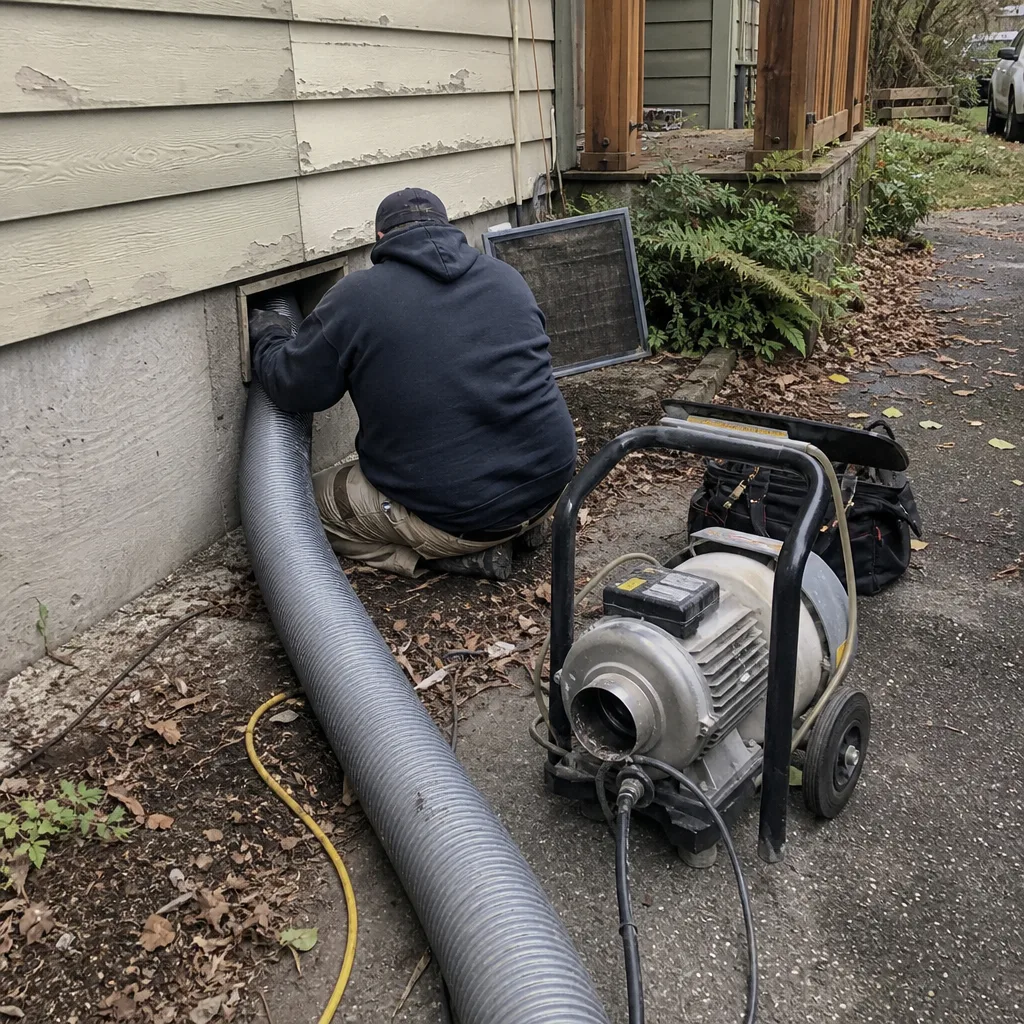 Before
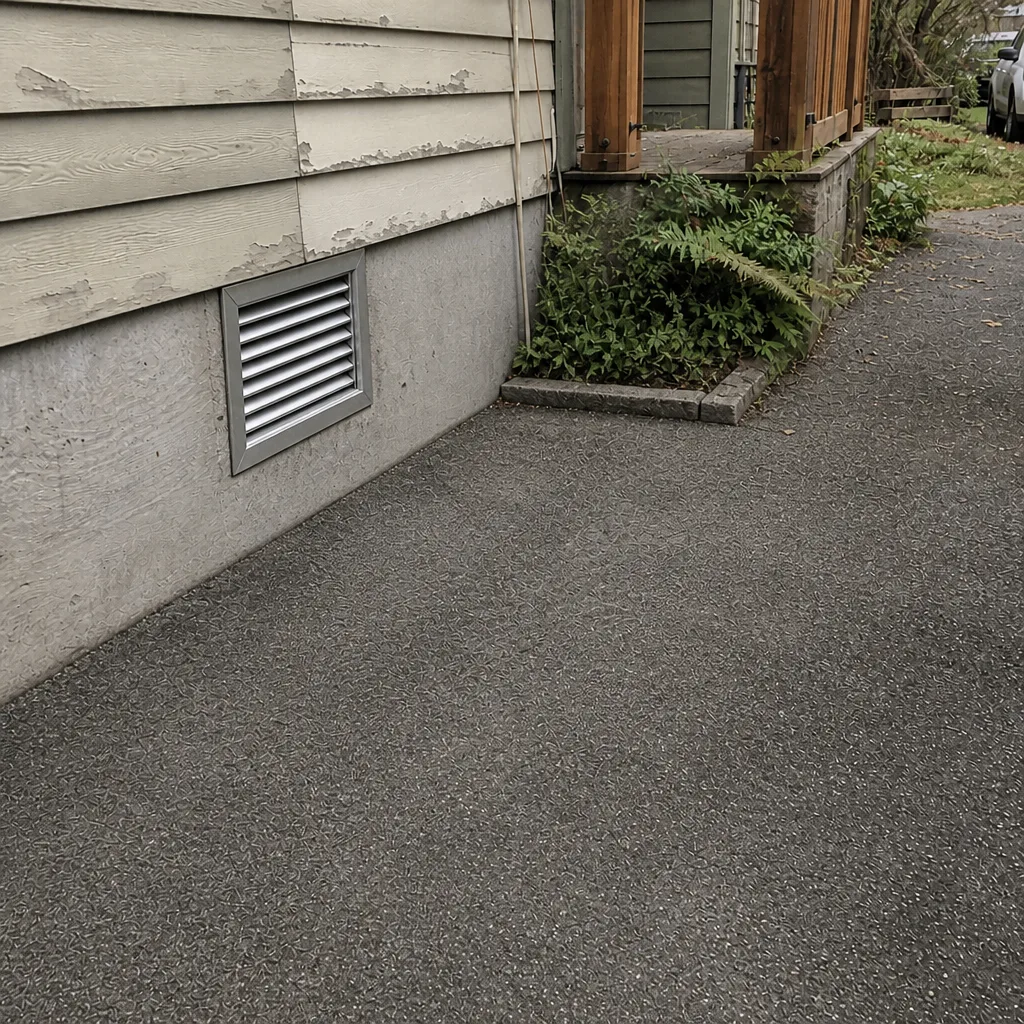 After
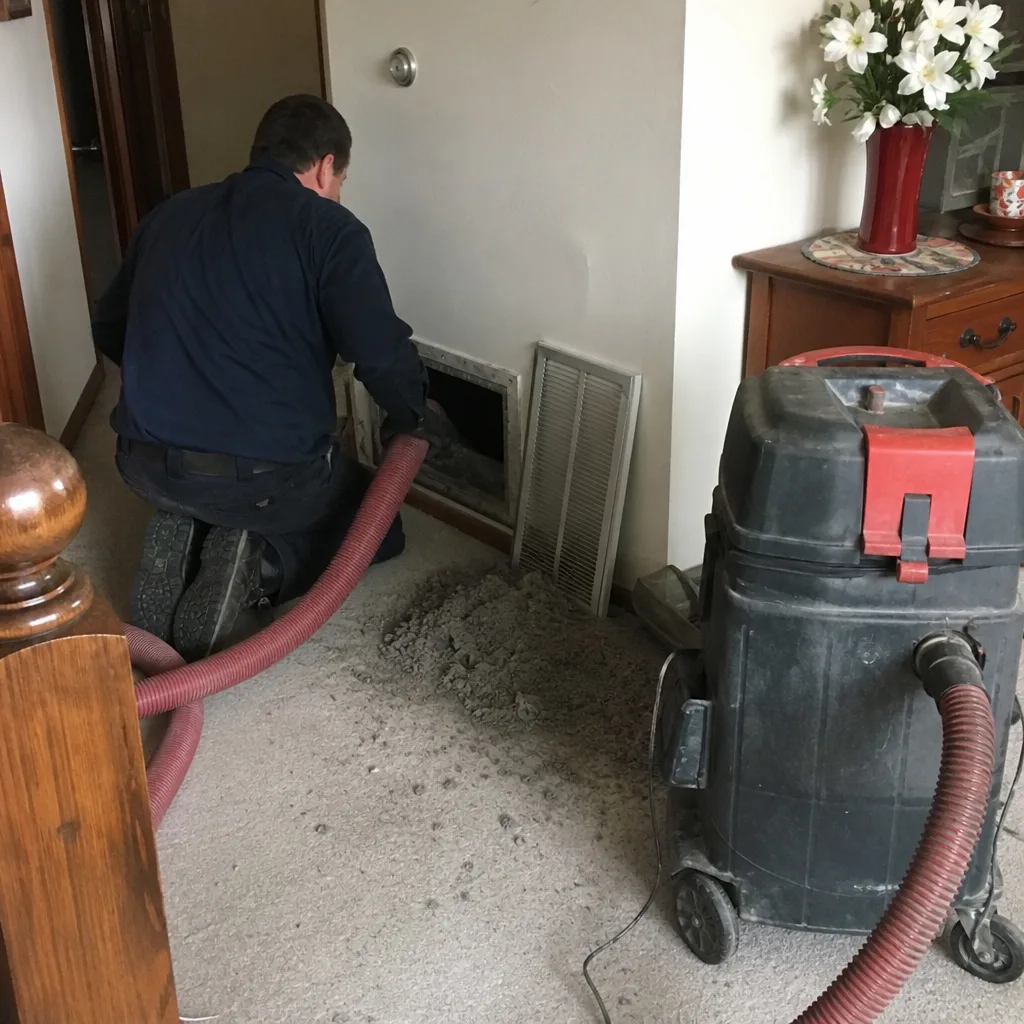 Before
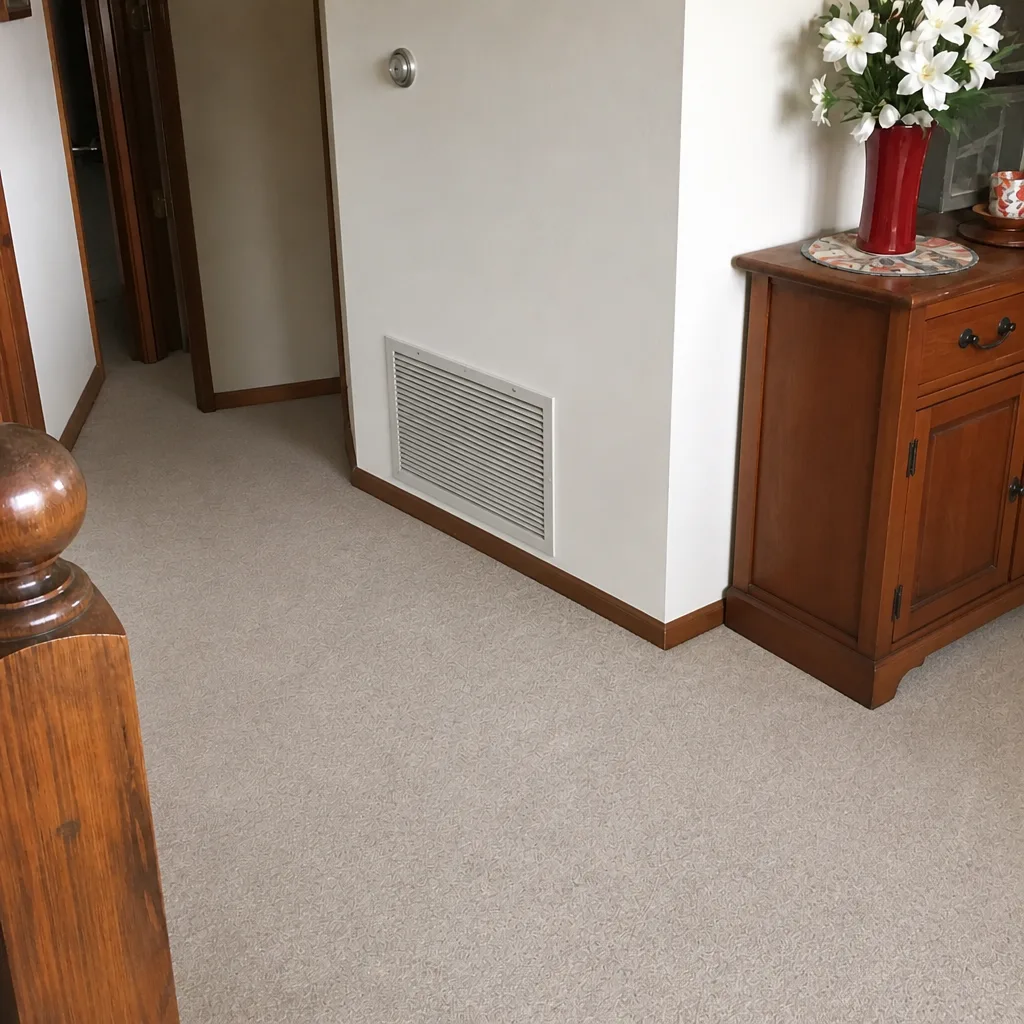 After
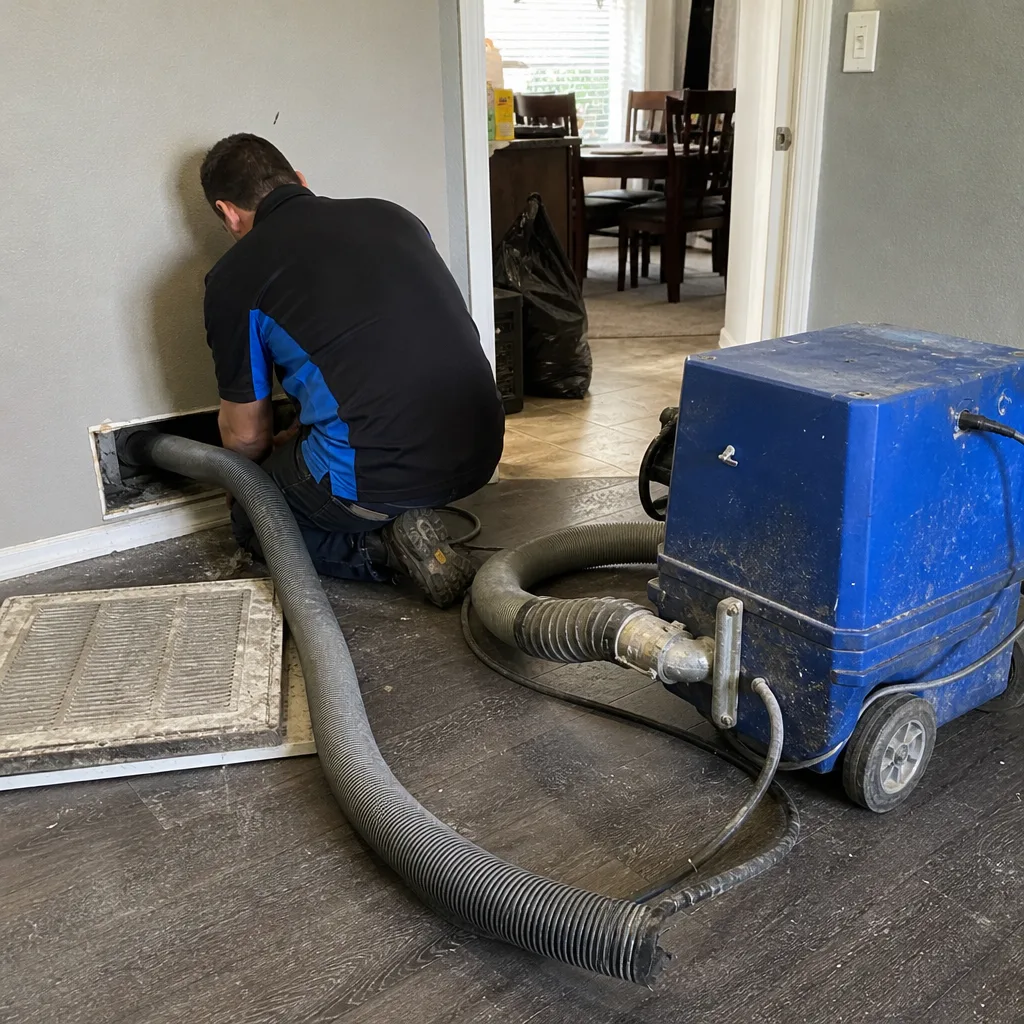 Before
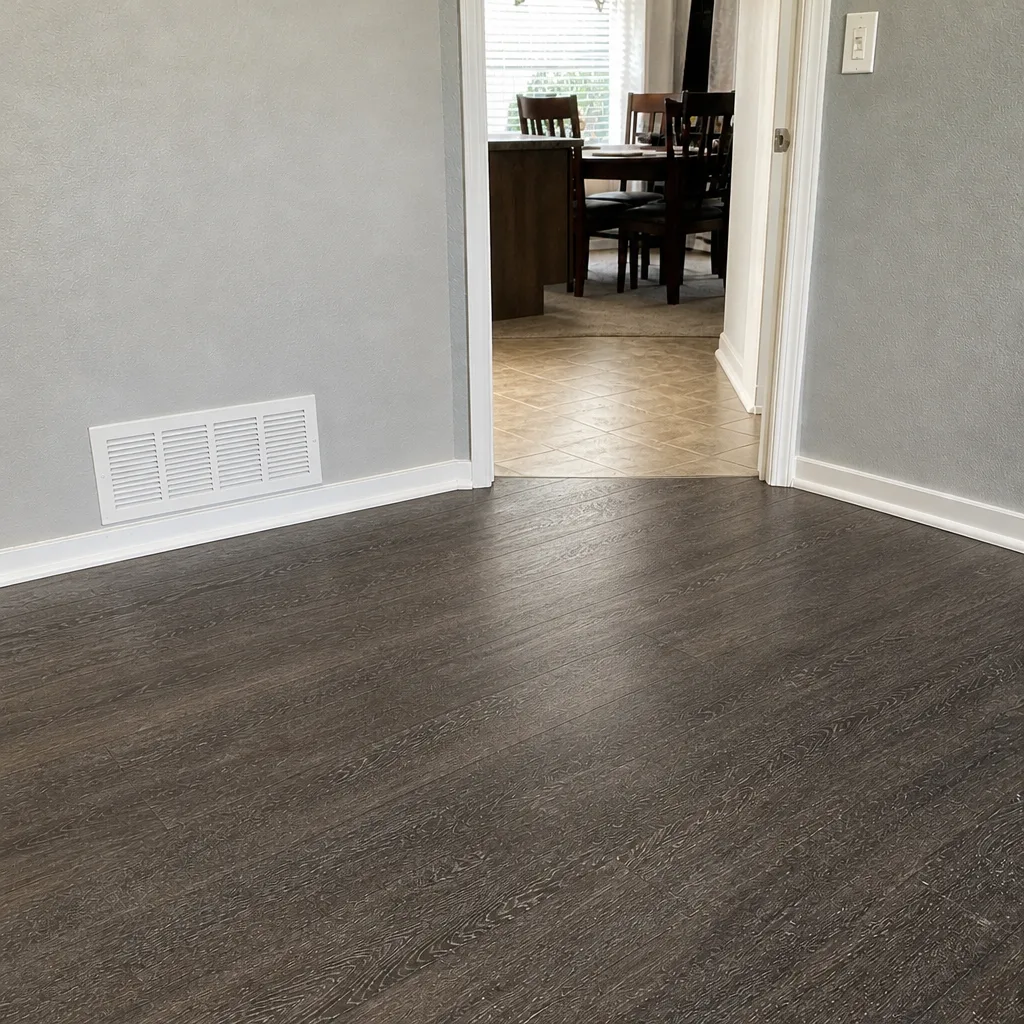 After
When to Call a Professional
Some situations need a professional cleaning rather than a homeowner’s weekend effort. Call if you notice visible dust build-up on return grilles that returns within weeks of a home cleaning, a persistent musty smell when the system runs, or a noticeable drop in airflow. Call if anyone in the home has allergy or asthma symptoms that seem worse indoors, especially during Lake City’s damp months. Call after a renovation, a new home purchase, or a move-out, when construction dust and debris may have reached the return side. Call if the dryer takes more than one cycle to dry a normal load. Call if you see visible moisture or biological growth in the air handler cabinet. Call if the system hasn’t been cleaned in several years and you don’t know the history. Air Duct Cleaning Lake City offers free estimates in Lake City – call (877) 523-5812. We answer 24/7. Fast dispatch from 7am to 7pm, Sunday through Friday. If you want a sense of what a proper HVAC cleaning job includes, we can walk you through it on the call.
Frequently Asked Questions
Air duct cleaning in Lake City is priced per system, not per vent, and the final price is set by a free written estimate based on system size, number of runs, and whether the job includes the air handler, repair, sealing, or sanitizing. A complete full-pathway cleaning costs more than a ducts-only job because it covers the blower wheel, coil, and drain pan. Call (877) 523-5812 for an exact quote – estimates are free.
Cheap quotes usually cover only the grilles and registers, or clean the ducts while leaving the air handler and coil untouched. That’s the job that recontaminates within weeks, and the low price is the hook. A flat per-system price for a sequenced job is the honest comparison. Call (877) 523-5812 for an exact quote – estimates are free.
Ask for before-and-after photos of your own ducts and air handler, taken at the access points, plus a camera inspection at the end of the job. The photos should show clean, dry surfaces and a blower wheel with visible individual blades. If a company can’t provide them, that tells you something. Call (877) 523-5812 for an exact quote – estimates are free.
Most homes in Lake City do well with a full-pathway cleaning every few years, and the honest answer depends on the home. Homes near a busy corridor, homes with pets, homes with anyone with respiratory allergies, and homes that have just been renovated tend to need it sooner. A musty smell or visible regrowth in the air handler is the signal to move up the schedule. Call (877) 523-5812 for an exact quote – estimates are free.
Cleaning removes the accumulated dust, debris, and biological growth that a dirty system circulates, which is the right starting point for indoor air quality. Whether symptoms improve depends on the home and the person. In our experience, homes with a dirty coil and blower wheel notice the difference in airflow and smell first. Call (877) 523-5812 for an exact quote – estimates are free.
Yes. Older homes with tight retrofits often need repair and sealing alongside cleaning, since leaky returns pull from the crawlspace or wall cavities. We inspect that on the estimate and fold any repairs into the same job. Call (877) 523-5812 for an exact quote – estimates are free.
The Bottom Line
A duct cleaning in Lake City holds only when it follows the whole air pathway in order: negative pressure, air handler and coil first, then the duct runs, then verification, then repair, sealing, or sanitizing as the system requires. The equipment that makes this possible is professional-grade – rotary brush extraction, high-volume negative pressure, and containment – and the proof is a camera inspection with before-and-after photos of your own system. A flat price per system, agreed before work starts, is the arrangement worth asking for. Know the sequence, ask the six questions, and the result will last. For a complete look at the services behind this guide, start at Air Duct Cleaning Lake City.
Call (877) 523-5812 for a free estimate. We answer 24/7. Fast dispatch from 7am to 7pm, Sunday through Friday. The local pro is licensed and insured as their state requires, and the price is set per job by the written estimate.
Written by the team at Air Duct Cleaning Lake City.