
Last updated November 24, 2026
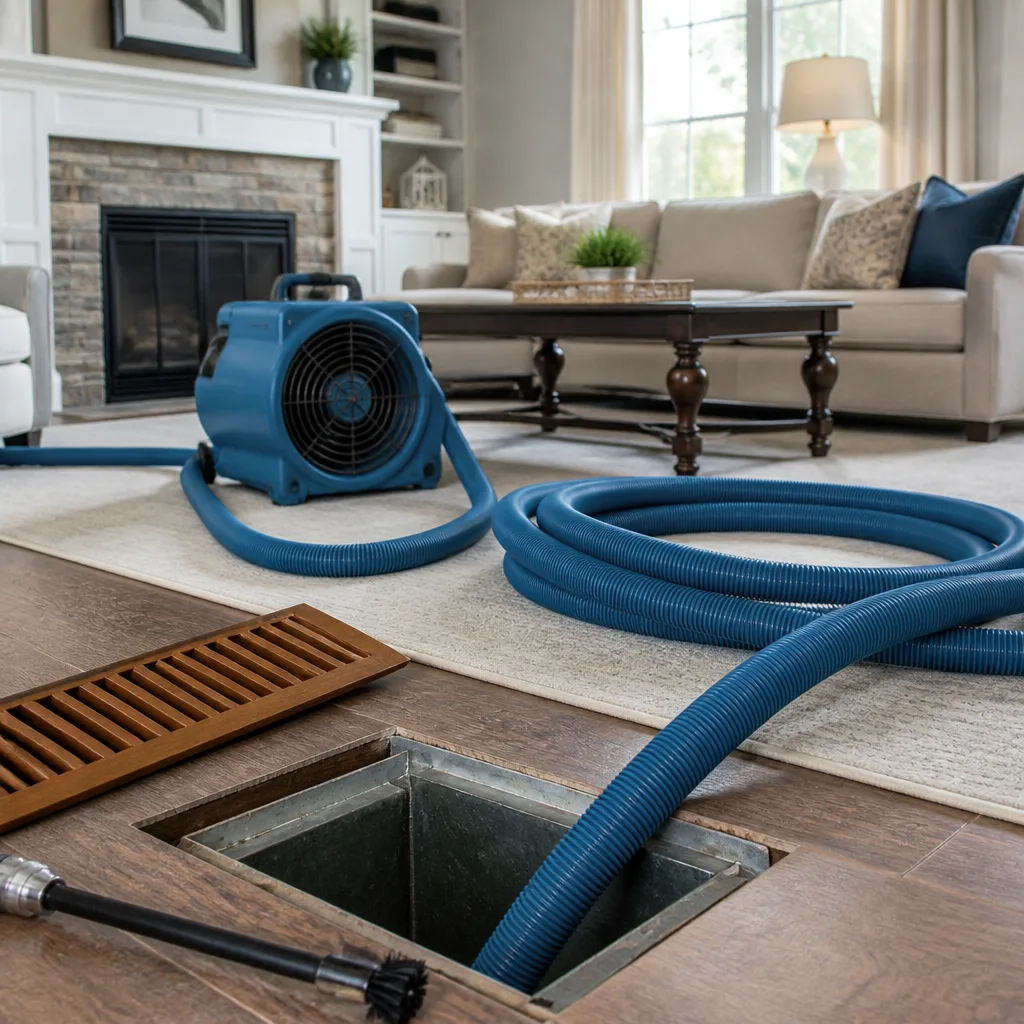 Whole-home duct cleaning
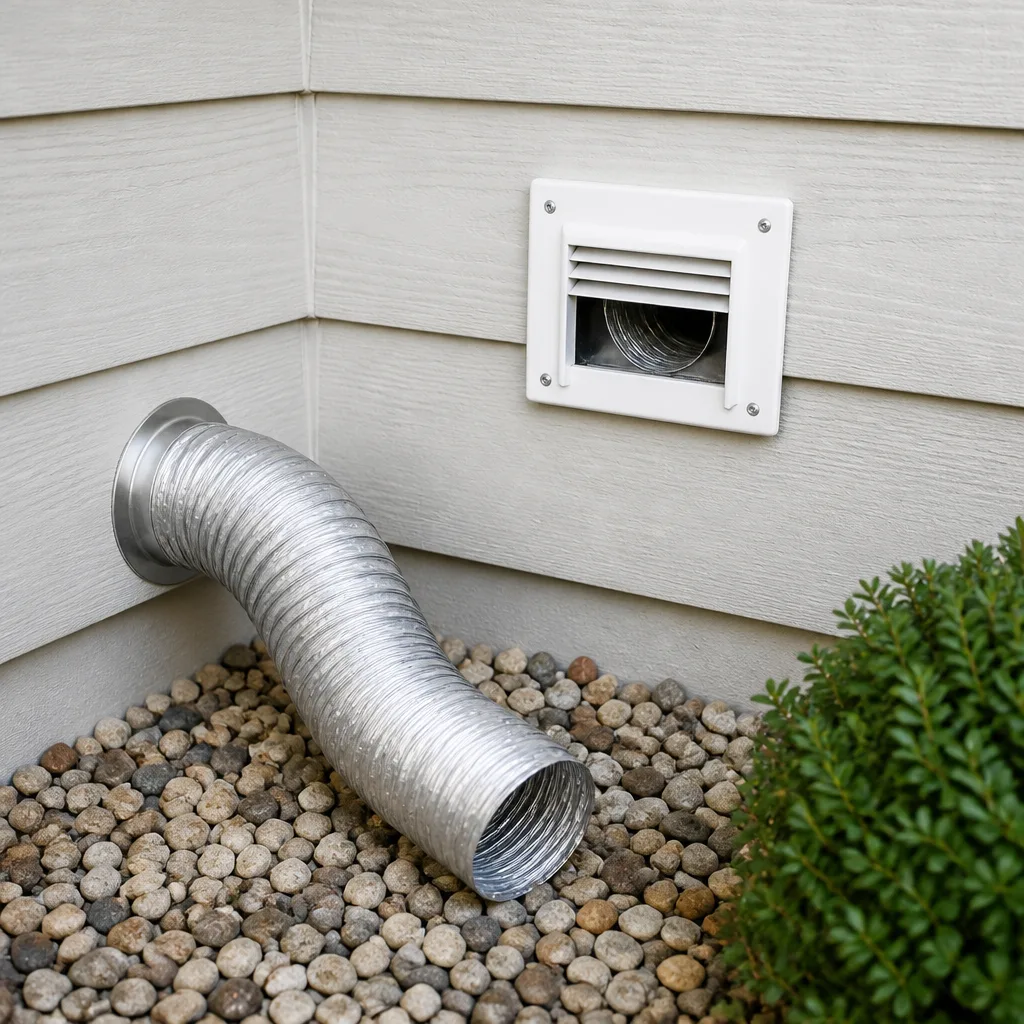 Dryer vent cleaning
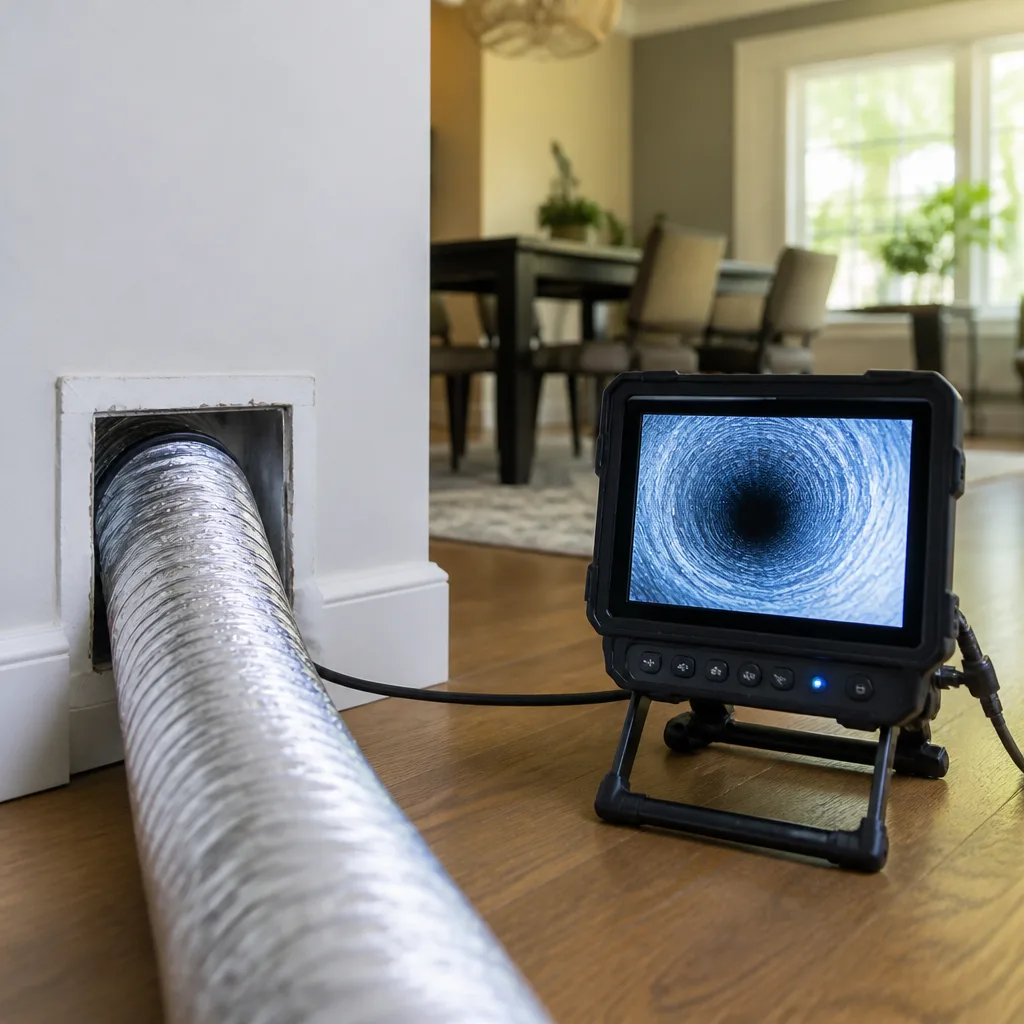 Camera inspection
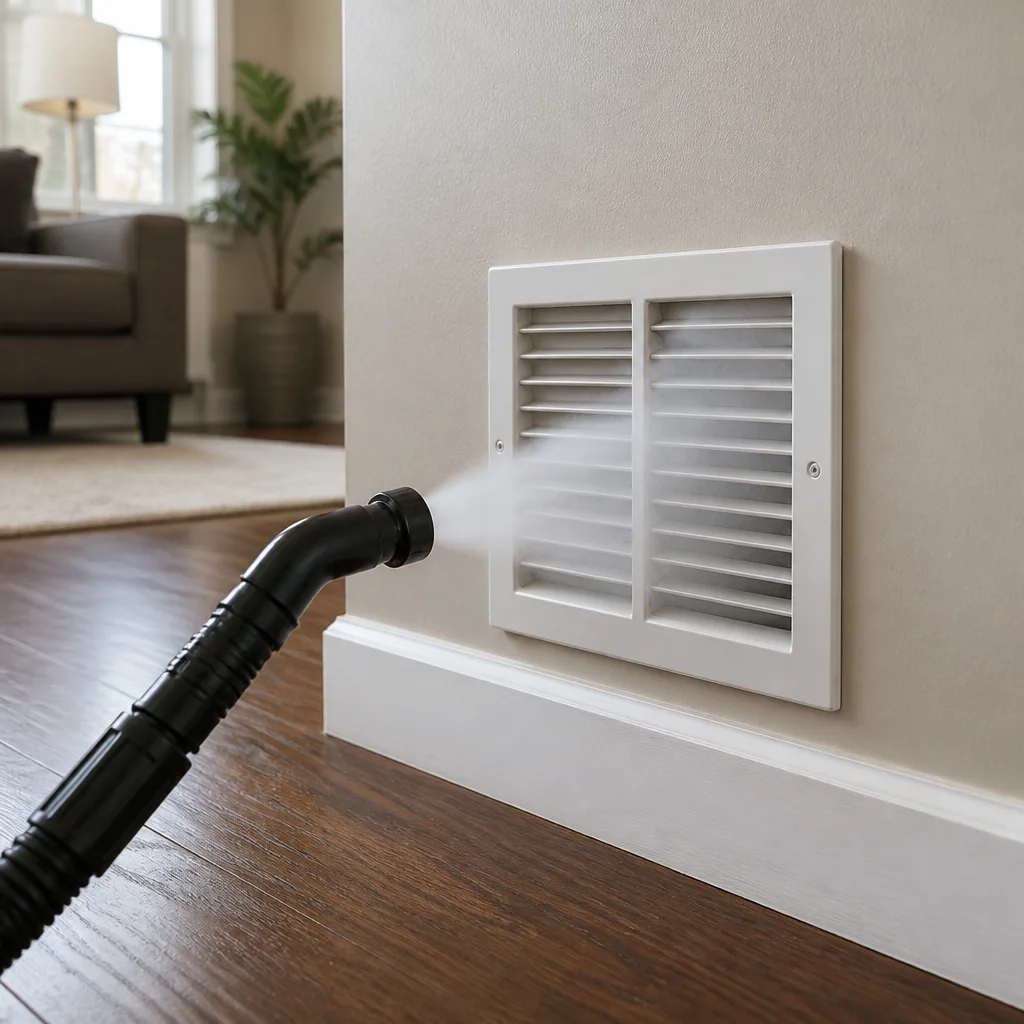 Sanitizing & deodorizing
Whole-system duct and dryer vent check with before-and-after photos - you see exactly what came out of your vents
That "$99 whole-house special" is a bait ad - the real number appears once they are in your hallway, or the "clean" is a shop-vac at the register. We photograph the inside of your ducts before and after instead.
Air Duct Cleaning Cost Breakdown: The Lake City Homeowner’s Reference for 2026
The gap between a low advertised price and a much larger final invoice isn’t always dishonest. But it’s almost always preventable with a ten-minute pre-booking conversation most companies don’t encourage. Pricing in this trade has been designed to be hard to compare: one company quotes per vent, another quotes a flat rate, a third quotes by square footage, and none of the three numbers describe the same job. This guide breaks down what each pricing model actually rewards, what a real whole-system clean costs across Lake City in 2026, and which add-ons are legitimate versus which are margin plays. By the end you’ll know how to get a binding written quote that holds.
Quick Answer
A full-system air duct cleaning in Lake City typically runs $350 to $700 for an average single-family home in 2026, with larger multi-zone houses and crawl-space systems reaching $900 to $1,300. Dryer vent cleaning usually falls between $120 and $220, while blower wheel and evaporator coil cleaning run $150 to $400 per component. Advertised teaser prices rarely reflect these totals, and the written estimate is what sets your final price.
Styles & brands we work with
- Whole-home duct cleaning
- Dryer vent cleaning
- Camera inspection
- Sanitizing & deodorizing
Table of Contents
- The Three Pricing Models and What Each One Rewards
- 2026 Lake City Price Ranges by Service Type
- Legitimate Add-Ons vs. Upsell Red Flags
- Cost Drivers in Lake City Housing Stock
- How to Get a Binding Quote in Writing
- The Pre-Booking Questions That Change the Price
- What a Proper Whole-System Clean Actually Includes
- Common Mistakes to Avoid
The Three Pricing Models and What Each One Rewards
Most duct cleaning quotes in Lake City come in one of three shapes, and each one pushes the contractor toward a different behavior. Understanding the incentive structure is the fastest way to spot a quote that’s working against you.
Per-vent pricing
You’re charged a set amount for each supply and return register. This is the model behind most coupon advertising, and it rewards the contractor for counting vents quickly and moving fast. A per-vent price around $25 to $45 per register sounds reasonable until you realize it usually excludes the main trunk lines, the plenum, and the blower cabinet, which is where a great deal of the debris actually sits. Ask directly whether the trunk lines are included. The answer is often no.
Flat-rate pricing
One number for the whole system, agreed before any work begins. This rewards the contractor for doing an efficient, complete job rather than finding reasons to add line items. In our experience this is the model that produces the fewest disputes, because the scope is defined in advance and the invoice can’t move. The catch is you need to confirm what “whole system” means in that flat number: all supply runs, all returns, main trunks, and the blower compartment.
Square-footage pricing
You’re charged based on conditioned floor area. It has a logic to it because bigger homes tend to have more ductwork, but square footage is a rough proxy at best. A 2,400-square-foot Lake City rambler with a simple trunk-and-branch layout can be less work than a 1,900-square-foot split-level with three separate zones and long crawl-space runs. Square-footage pricing rewards the contractor for quoting big homes high regardless of actual complexity.
2026 Lake City Price Ranges by Service Type
These are typical 2026 ranges for the Lake City market, not best-case floor prices. Actual cost depends on system size, accessibility, and how much debris is present. Your written estimate sets the final price.
| Service | Typical 2026 range | What drives the number |
|---|---|---|
| Standard whole-system duct cleaning | $350 – $700 | Number of zones, trunk length, crawl-space access |
| Large or multi-zone home duct cleaning | $900 – $1,300 | Multiple air handlers, long runs, tight access |
| Dryer vent cleaning | $120 – $220 | Vent length, number of elbows, roof vs. wall termination |
| Blower wheel cleaning | $150 – $250 | Cabinet access, wheel condition |
| Evaporator coil cleaning | $200 – $400 | Coil type (A-frame vs. slab), plenum clearance |
| Duct sanitizing after mechanical cleaning | $150 – $350 | Square footage of duct surface treated |
| Duct sealing (per accessible joint) | $20 – $45 each | Access, sealant type, number of leaks found |
Two things to notice. First, the spread within each line is wide, and that’s honest: a Lake City home with a basement mechanical room and short trunk runs is a genuinely easier job than one with a crawl-space air handler and three zones. Second, the add-on services cost real money because they take real time. Coil cleaning involves getting to a component most homeowners never see, and it’s a separate mechanical task from running a rotary brush through the ducts.
Legitimate Add-Ons vs. Upsell Red Flags
Add-ons are where a fair quote and a padded one diverge most sharply. Some recommendations are genuinely sound. Others are margin plays dressed up as health advice.
Legitimate recommendations
- Coil cleaning when you see restricted airflow or frozen coils. A dirty evaporator coil raises energy use and shortens equipment life. There’s a measurable reason to clean it.
- Duct sealing when a leak test or visible separation shows it. Sealing a disconnected joint in a crawl space recovers conditioned air you’re already paying for.
- Sanitizing after a real problem. If mechanical cleaning removes heavy buildup and there’s evidence of moisture or microbial growth, a post-clean treatment with a product like Guardsman is a reasonable step. Sanitizing a system that wasn’t cleaned first is not.
- Whole-home filtration upgrades. Moving from a basic filter to a Honeywell or Aprilaire media cabinet after cleaning keeps the system cleaner between visits. This is a legitimate long-term improvement, not a cleaning necessity.
Red flags
- A UV light pitched as mandatory rather than optional. UV systems have real uses in some setups, but “you need this or your air is unhealthy” is a pressure tactic.
- Sanitizing offered before any mechanical cleaning has happened.
- Mold treatment quoted without anyone actually inspecting for moisture or visible growth.
- Any line item added after work has started that wasn’t on the written estimate.
Cost Drivers in Lake City Housing Stock
Lake City sits in a part of the Seattle area where a lot of the housing went up in the mid-twentieth century, and that shows up directly in labor time and therefore price. Three features matter most.
- Original flex duct. Homes that still have the original flexible duct from an older installation often have sagging runs, crushed sections, and more debris accumulation than newer rigid systems. Flex duct also needs more careful brush work to avoid tearing, which takes longer.
- Crawl-space systems. Many Lake City homes run ductwork through a vented crawl space rather than a conditioned interior chase. That means a technician is working in a confined, often damp space, and access alone can add an hour or more. Crawl-space ductwork is also where you find disconnected joints and moisture issues that interior systems don’t have.
- Multi-zone layouts. Split-levels and homes with additions often have more than one air handler or a zoned system with separate trunk networks. Each zone is essentially a second cleaning job, which is why the large-home range jumps the way it does. Adding an addition in Lake City without rebalancing the duct system is common, and it leaves a home with more ductwork than its original design accounted for.
The damp shoulder seasons this region gets also matter. Ductwork in a vented crawl space sits in humid air for months at a time, and flex duct runs that stay cool and moist are where microbial growth tends to start. That’s a reason to fix leaking joints rather than just clean and move on.
How to Get a Binding Quote in Writing
A verbal estimate made on the phone is a guess. A written quote that specifies scope is the tool that protects you from invoice creep. Ask for it before you book.
- Ask for the quote in writing, with the total price and the scope stated in the same document.
- Confirm in writing that the price covers every supply run, every return, the main trunk lines, and the blower compartment. If any of those are excluded, you want to see it in writing.
- Ask whether the price is per-system or per-vent, and get a plain sentence saying which.
- Get the add-on list with individual prices. If a company won’t itemize, that’s information too.
- Look for language that says the quoted price holds unless you approve additional work in writing. That single sentence is the one that prevents the surprise invoice.
- Ask whether before-and-after photos of your own ductwork are provided. A company that photographs its work has less room to claim a level of contamination that wasn’t there.
Compare quotes on scope, not just total. A $300 quote that covers supply runs only and a $600 quote that covers the complete system including trunks and blower are not the same offer, even though the cheaper number looks better on paper. If you want to understand how a complete clean is actually performed, the Air Duct Cleaning Lake City page walks through the equipment and negative-air setup involved.
The Pre-Booking Questions That Change the Price
Ten minutes on the phone before you book will do more to protect your wallet than any review reading. These are the questions that actually move the quote.
- “Is the price per system or per vent?” This is the first fork in the road, and the answer tells you which pricing model you’re dealing with.
- “Are the trunk lines and returns included?” The most common source of scope gaps.
- “How many air handlers will you service?” A home with two systems is two jobs.
- “Do you use rotary brush equipment?” Professional-grade systems like Rotobrush use a rotating brush that contacts the duct surface rather than a vacuum pulled through open registers. It’s a different level of mechanical cleaning.
- “Will you show me before-and-after photos of my system?” The answer should be yes without hesitation.
- “What’s on the add-on list, and what are the individual prices?” Itemization before the visit prevents the on-site pressure conversation.
In our experience, the companies that answer these questions directly and cheerfully are the ones whose invoices match their quotes. The ones that get vague or push you toward booking first are telling you something.
What a Proper Whole-System Clean Actually Includes
Price only makes sense against scope, and scope for a real clean is bigger than most homeowners expect. A complete job addresses the entire air pathway from the equipment to the vent cover.
On the mechanical side, professional-grade extraction equipment like Rotobrush and Nikro systems is used to agitate and remove debris from the duct interior while negative air pressure keeps it from escaping into the living space. Abatement Technologies air-filtration units provide containment and air scrubbing during the work, which matters when you’re working in an occupied home. That’s a remediation-level approach to particulate control rather than a vacuum held to a register.
The job should also include the blower compartment and, where accessible, the evaporator coil, because that’s where airflow restrictions originate. If your dryer vent needs clearing, dryer vent cleaning is a separate task with its own fire-safety purpose and shouldn’t be treated as a free add-on. If you want the broad picture of how the full air duct cleaning service is scoped, it’s worth reading before you book anyone.
And if a technician finds separated joints, crushed flex sections, or gaps in the crawl space, repair and sealing should be offered as a real service, not deferred to another vendor. A company that cleans but can’t seal leaves you with half a solution. The same applies to the equipment side, where HVAC cleaning covers the mechanical components that duct work alone doesn’t touch.
Common Mistakes to Avoid
- Comparing a per-vent quote to a flat-rate quote as if they’re the same offer. They cover different scope. Line up the inclusions before you line up the totals.
- Booking on the phone price alone. A verbal estimate on a call is not a binding quote. Ask for the number in writing with scope attached.
- Assuming the lowest quote is the best deal. A quote that excludes trunk lines and returns isn’t cheaper, it’s narrower. The fair comparison is price per unit of scope.
- Skipping the blower and coil because they cost extra. These are the components where airflow restrictions actually start. Cleaning the ducts and leaving a dirty blower wheel solves half the problem.
- Accepting sanitizing before mechanical cleaning. A treatment applied to a system that still has debris in it hasn’t addressed the source, and the cost is real.
- Ignoring crawl-space ductwork in an older Lake City home. Original flex duct in a vented crawl space is where disconnected joints and moisture problems hide. Ask specifically whether it will be inspected.
- Not asking for before-and-after photos. It’s the simplest way to confirm the work was actually done as described, and any legitimate company will provide them.
See the difference
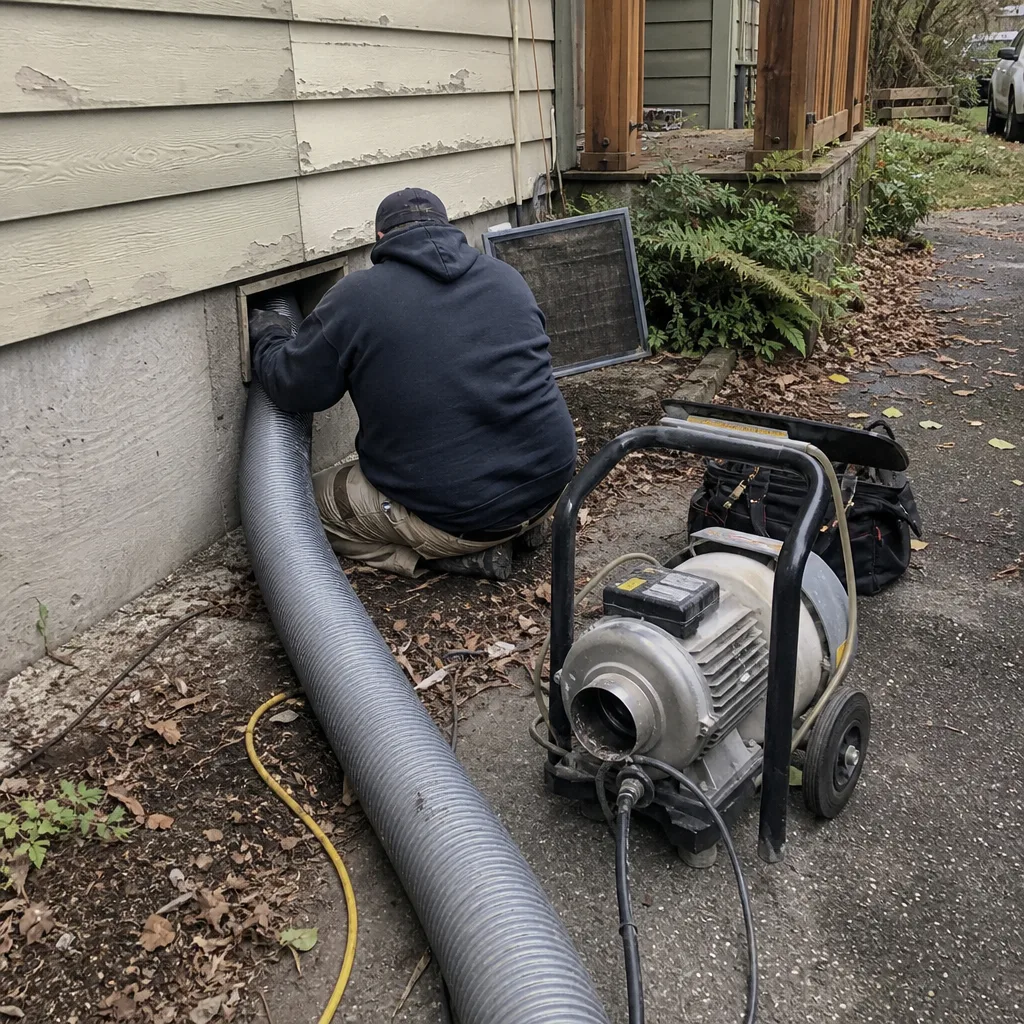 Before
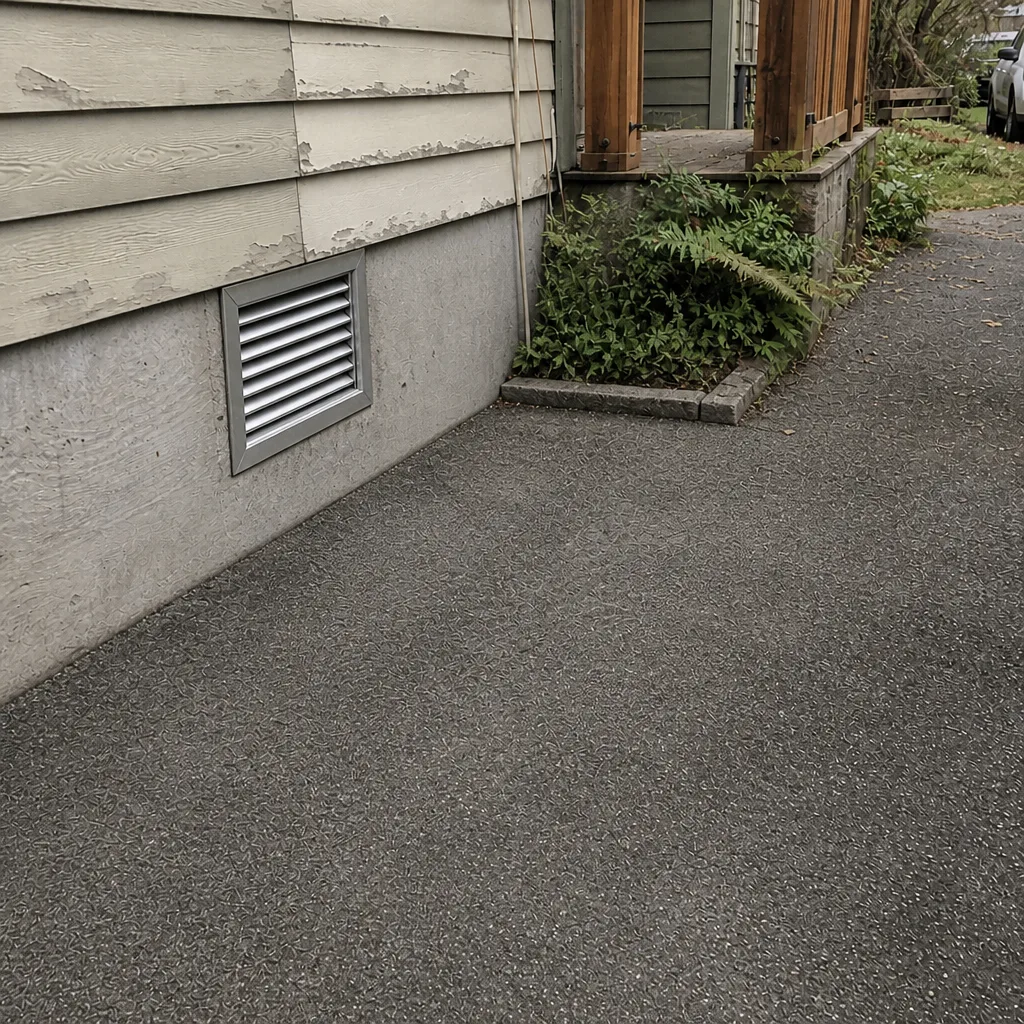 After
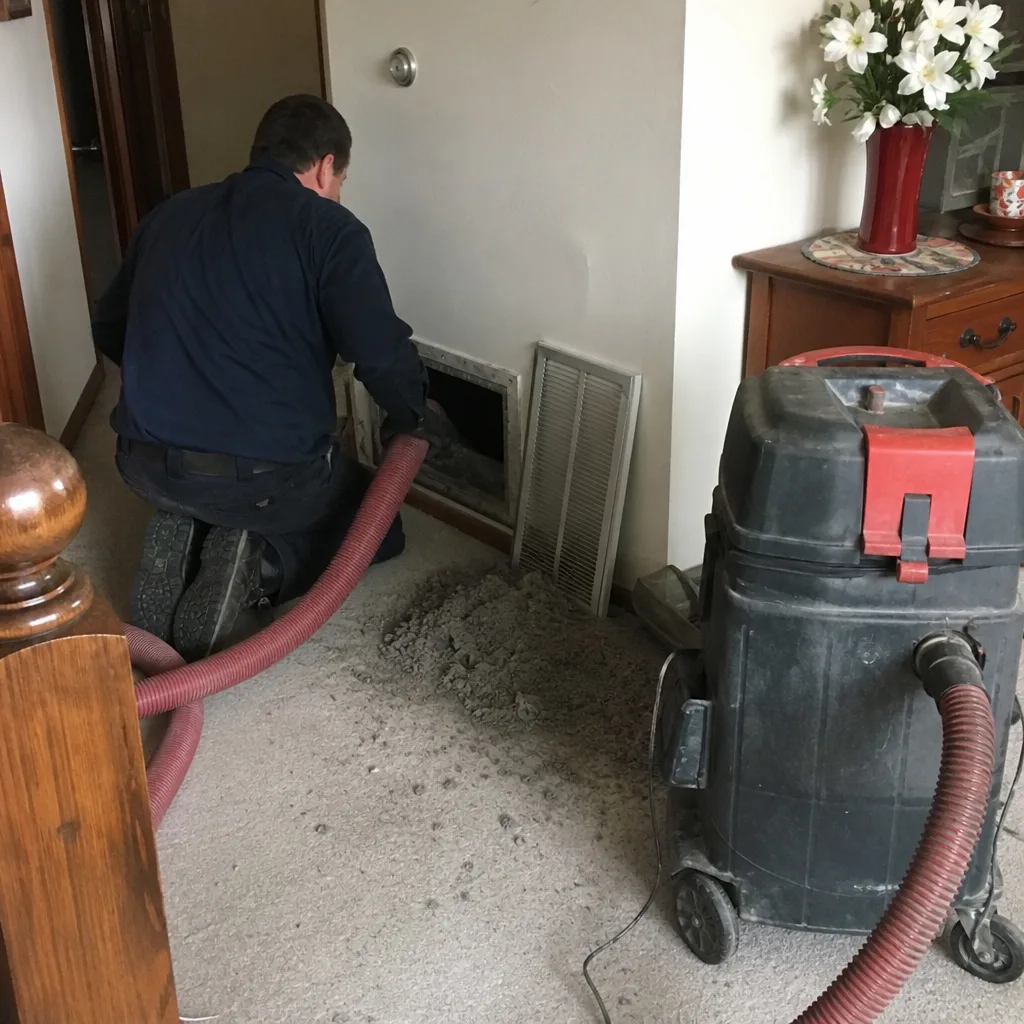 Before
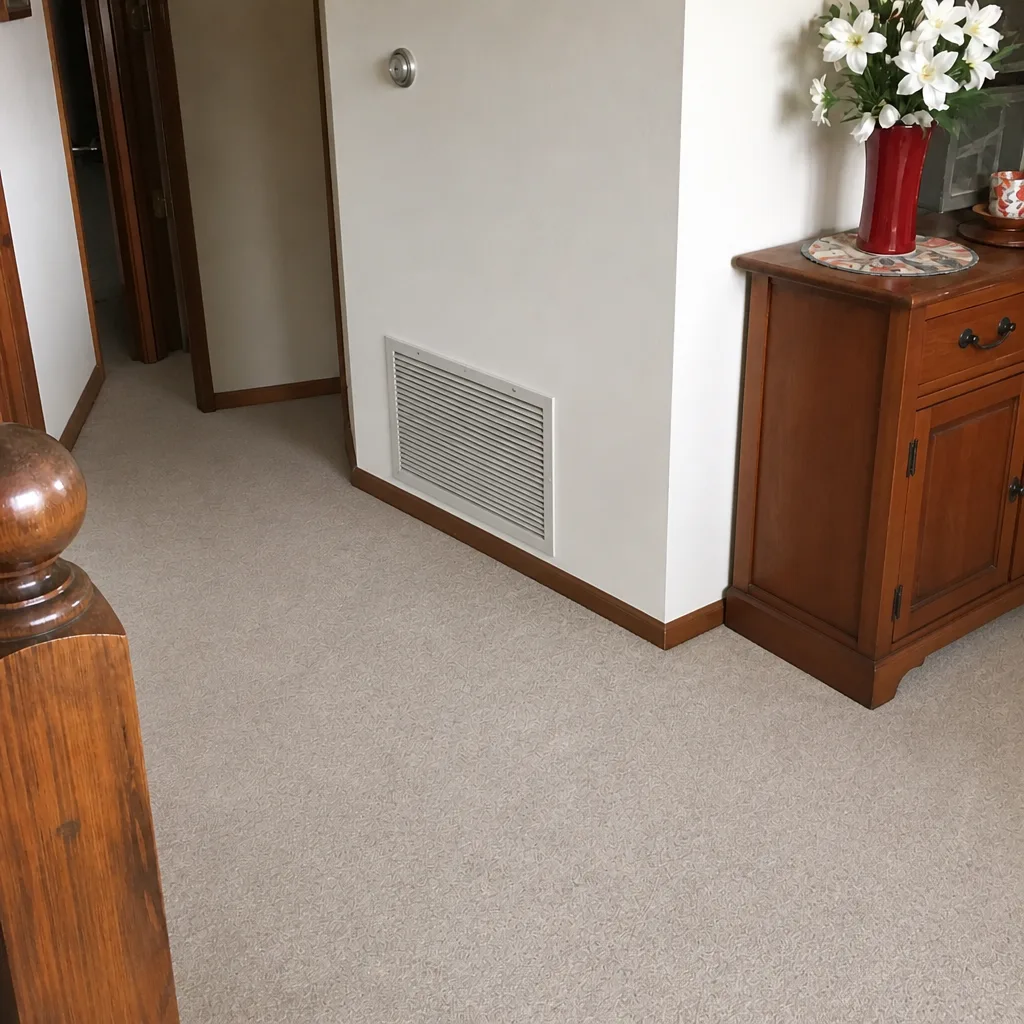 After
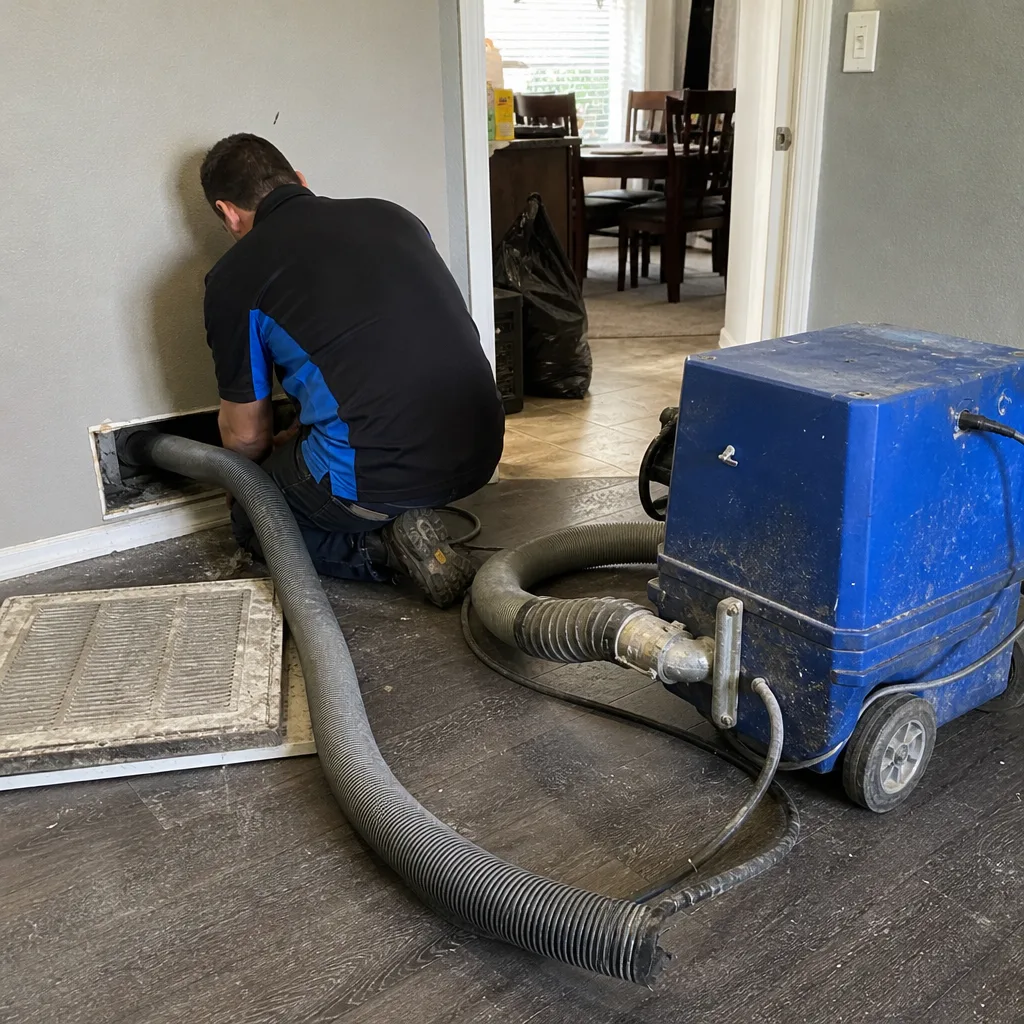 Before
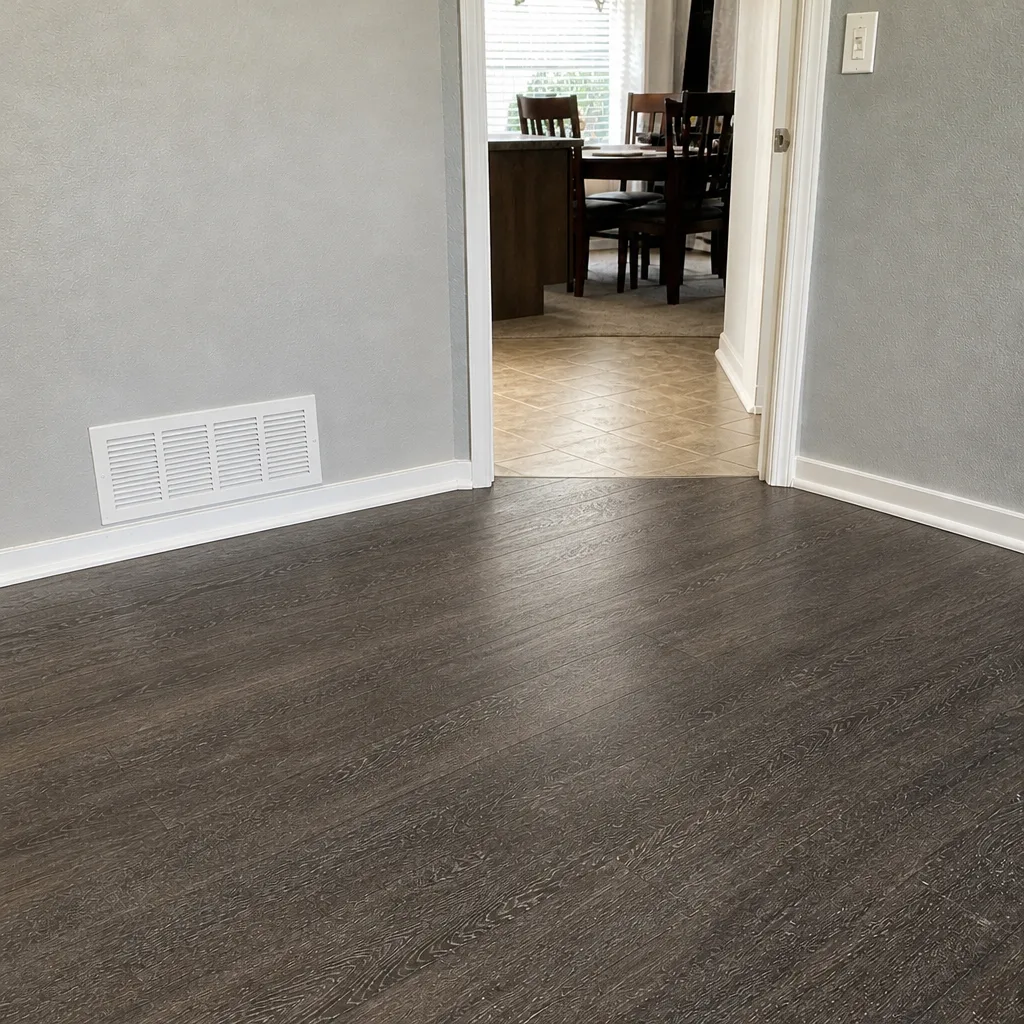 After
When to Call a Professional
Some signs point clearly to professional service rather than another season of waiting. If you’ve recently finished a renovation in Lake City, drywall dust has likely made its way into the return system and the blower cabinet. If the home is new to you and you don’t know when the ductwork was last cleaned, an initial clean establishes a baseline. Allergy or respiratory symptoms that ease when you’re away from home are worth investigating with a proper inspection. A dryer that takes noticeably longer than it used to is a fire-safety signal, not just an inconvenience. Visible dust streaking around registers, uneven airflow between rooms, and musty odors when the system starts all point to a system that needs attention. Our technicians have up to 11 years of experience and carry Rotobrush rotary-brush equipment on every eligible job. Air Duct Cleaning Lake City offers free estimates in Lake City. Call (877) 523-5812.
Frequently Asked Questions
Expect $350 to $700 for a standard whole-system clean on a typical single-family Lake City home in 2026, and $900 to $1,300 for larger multi-zone or crawl-space homes. The written estimate sets the final price, so get the scope in writing before you book. Call (877) 523-5812 for an exact quote. Estimates are free.
Usually because they cover less. A low per-vent quote often excludes main trunk lines, returns, and the blower compartment, which is where a lot of the debris sits. Compare quotes on what’s included, not on the headline number. Call (877) 523-5812 to walk through the difference on your specific system. Estimates are free.
Ask for before-and-after photos of your own ductwork, and ask whether the technician will show you the extracted debris and the blower compartment. A company using proper equipment like Rotobrush and Nikro systems can document the work without trouble. Call (877) 523-5812 to ask what documentation comes with the job. Estimates are free.
Most homes don’t need it on a fixed schedule. Every few years is reasonable for typical homes, sooner after a renovation, a move into a home with unknown history, or if you have pets or allergy concerns. A visual inspection tells you more than a calendar does. Call (877) 523-5812 to talk through your situation. Estimates are free.
No. The dryer vent is a separate system with its own purpose, which is fire safety and drying performance. It’s worth cleaning on its own timeline, typically $120 to $220 in Lake City. Call (877) 523-5812 and we can scope both at once. Estimates are free.
It’s worth it when mechanical cleaning has removed the debris and there’s evidence of moisture or microbial growth in the system. It isn’t worth it as a first step before any cleaning. In a damp crawl-space system, sealing leaking joints often matters more than treating the surface. Call (877) 523-5812 to discuss what your system actually needs. Estimates are free.
The Bottom Line
Duct cleaning prices in Lake City are opaque by design, but the numbers themselves aren’t mysterious once you separate scope from headline price. Standard whole-system cleaning runs $350 to $700, larger or multi-zone homes reach $900 to $1,300, and component work like coil and blower cleaning adds $150 to $400 each. The pricing model matters as much as the number: flat-rate per system with written scope protects you, per-vent teaser pricing usually doesn’t. Get the quote in writing, confirm trunk lines and returns are included, ask for before-and-after photos, and treat add-ons as decisions rather than defaults. Do that and the final invoice will match the quote.
We answer 24/7. Fast dispatch from 7am to 7pm, Sunday through Friday. When you’re ready to put a real number on your system, call Air Duct Cleaning Lake City at (877) 523-5812 for a free estimate. We’ll walk the system, explain the scope in plain terms, and give you a flat price per system agreed before any work starts.
Written by the team at Air Duct Cleaning Lake City.