
Last updated November 24, 2026
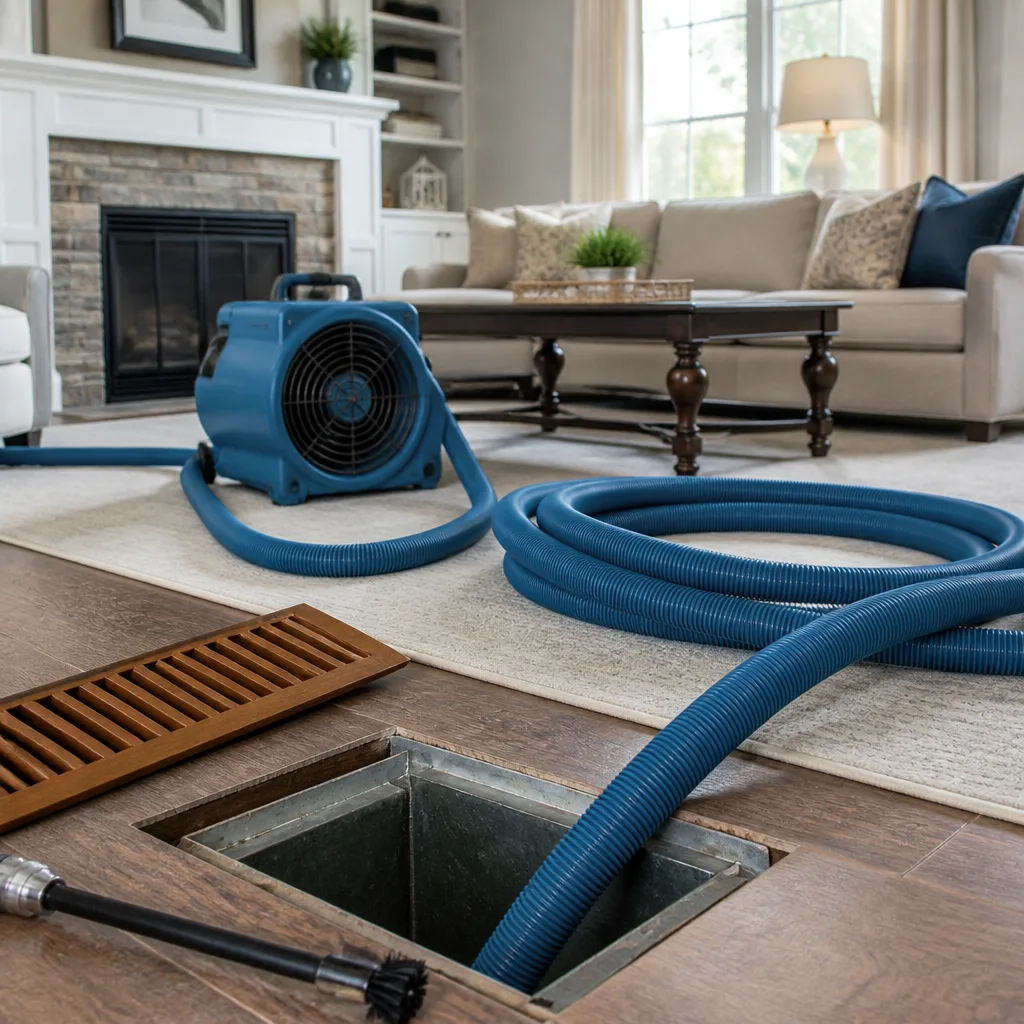 Whole-home duct cleaning
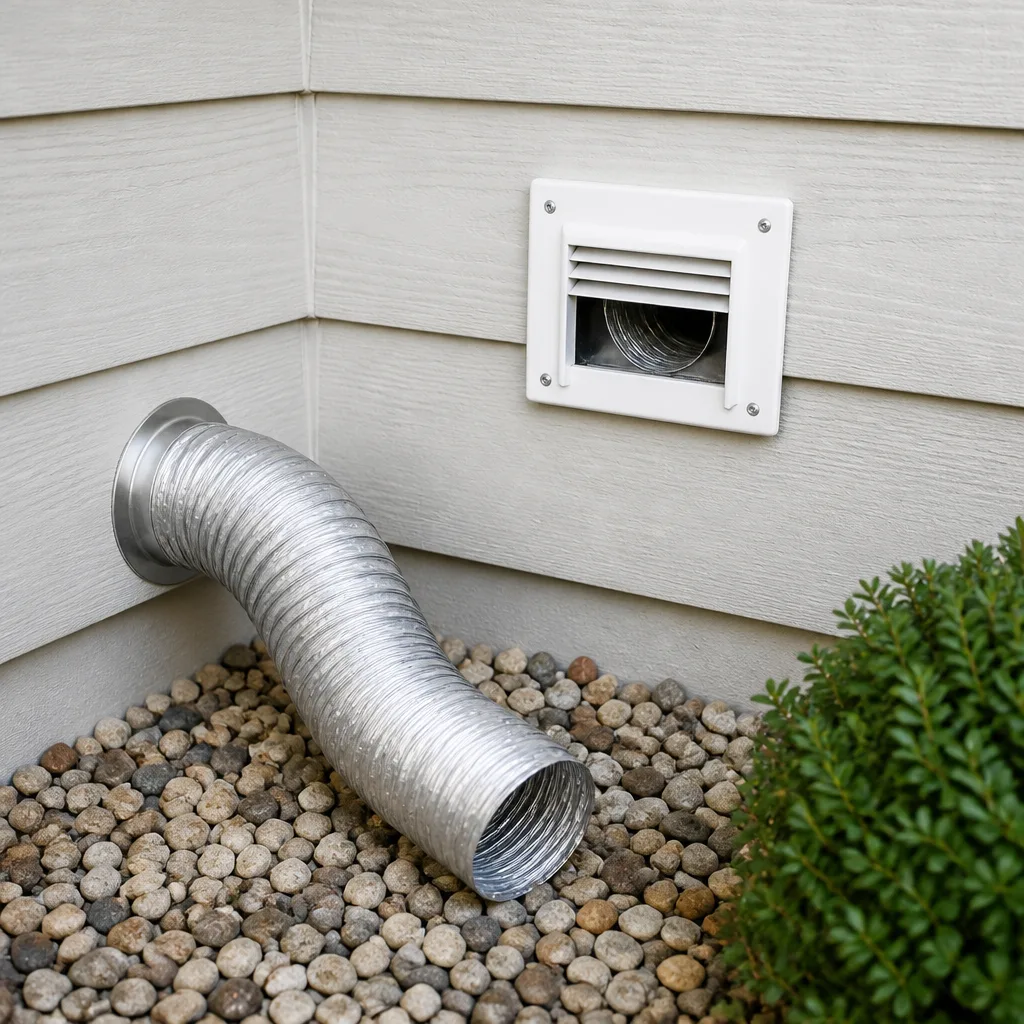 Dryer vent cleaning
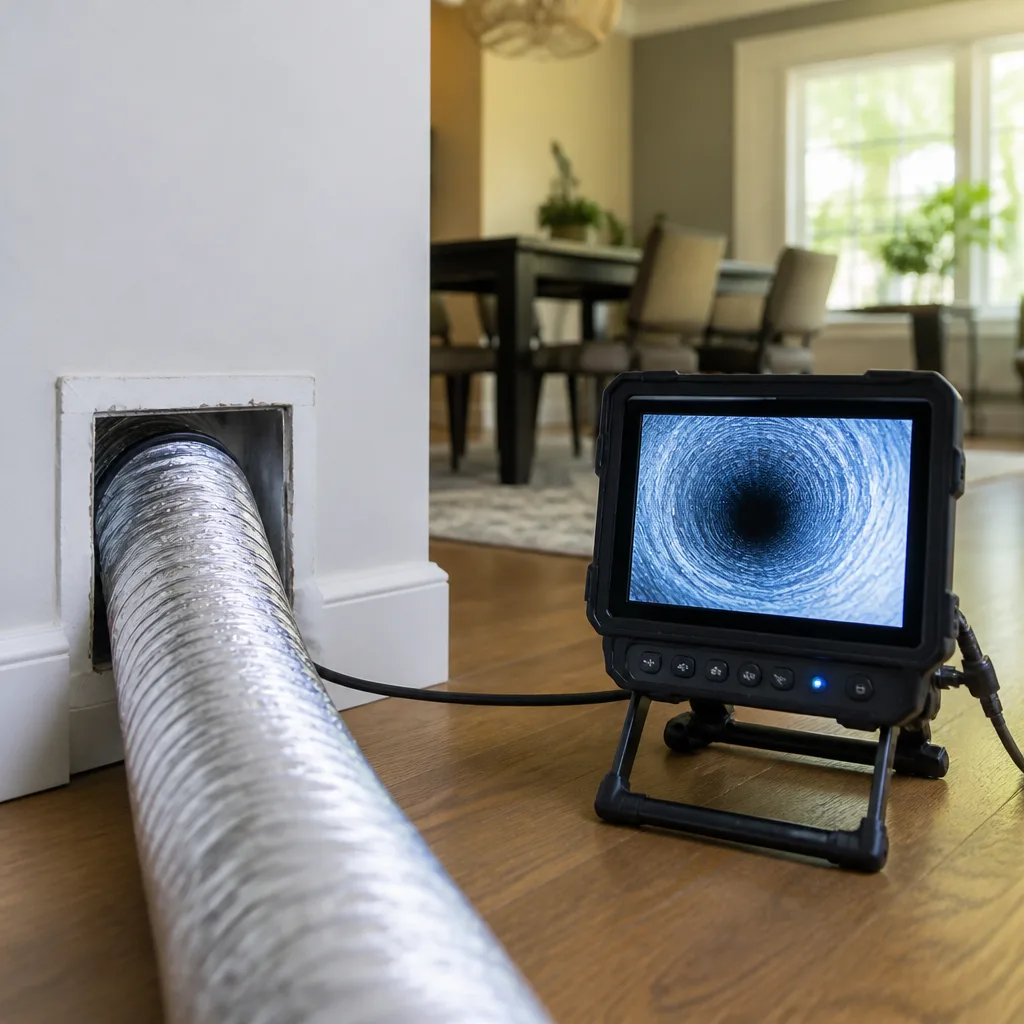 Camera inspection
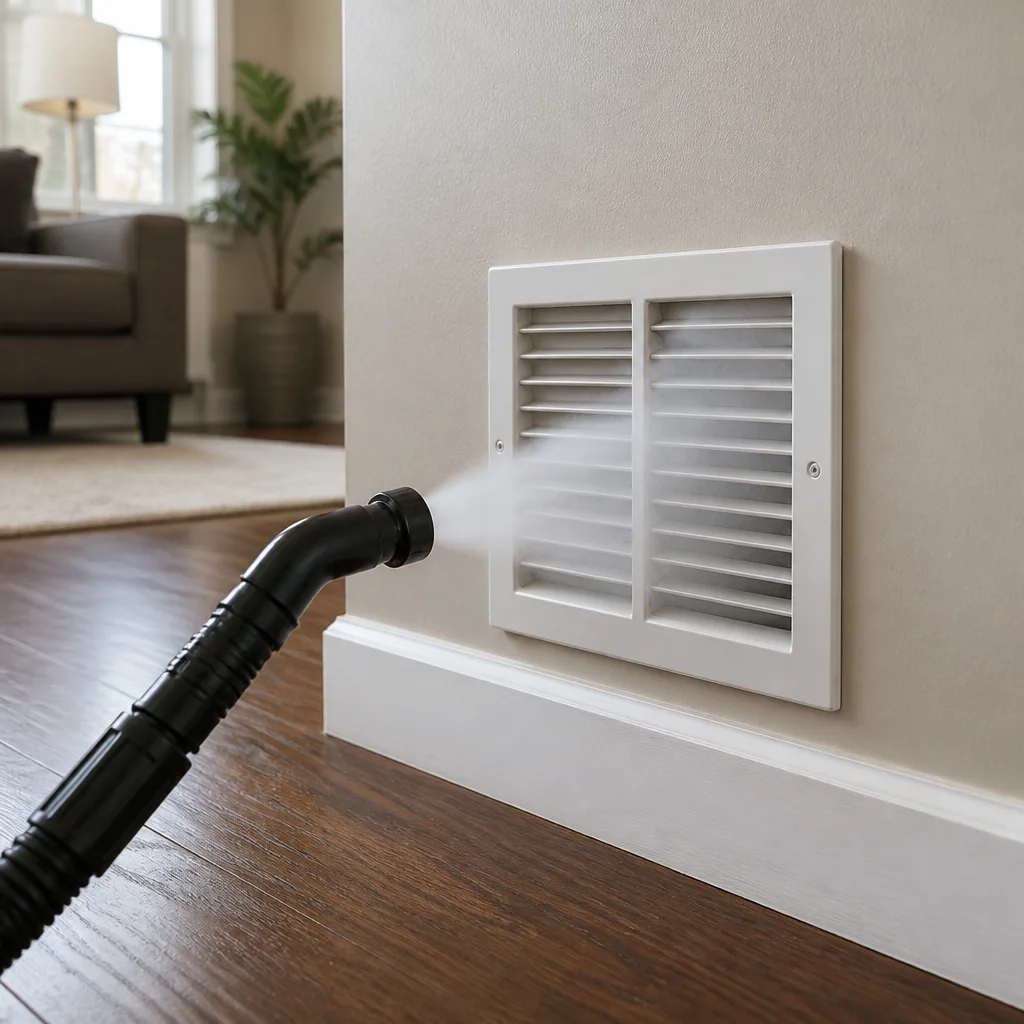 Sanitizing & deodorizing
Whole-system duct and dryer vent check with before-and-after photos - you see exactly what came out of your vents
That "$99 whole-house special" is a bait ad - the real number appears once they are in your hallway, or the "clean" is a shop-vac at the register. We photograph the inside of your ducts before and after instead.
DIY vs Professional Air Duct Cleaning: The Lake City Homeowner’s Decision Guide
Here’s the part most duct-cleaning advice skips: a homeowner with a shop vac and a brush kit can genuinely clean the register covers and, at best, the first foot or so of the branch duct behind them. On a typical forced-air system, that reachable slice is a small fraction of the surface area where debris actually settles. The rest sits in the main trunk lines, on the blower wheel, and around the evaporator coil, behind panels and turns no consumer tool can get to. This guide lays out what DIY can honestly accomplish, exactly where it runs out of road, and how Lake City homeowners can decide which approach makes sense for their house.
Quick Answer
DIY air duct cleaning is worth doing for register covers, the first stretch of accessible branch duct, and routine filter changes, but it cannot reach the blower wheel, evaporator coil, or main trunk lines where most contamination collects. For a Lake City home with heavy buildup, recent renovation dust, or a system that hasn’t been cleaned in years, professional cleaning with negative-air equipment is the only way to address the full air pathway. Everything in between depends on your system’s layout and how much access your ducts allow.
Styles & brands we work with
- Whole-home duct cleaning
- Dryer vent cleaning
- Camera inspection
- Sanitizing & deodorizing
Table of Contents
- What DIY Duct Cleaning Actually Accomplishes
- The Access Problem: Where DIY Stops
- Risk Inventory: What Can Go Wrong When DIY Goes Too Far
- The Hybrid Approach: What to Do Between Professional Visits
- Decision Matrix: When DIY Is Enough and When It Isn’t
- What Professional Equipment Actually Does
- Lake City Homes and Their Duct Systems
- Common Mistakes to Avoid
What DIY Duct Cleaning Actually Accomplishes
We’re not here to tell you DIY is pointless. It isn’t. A careful homeowner with the right tools can handle a meaningful slice of routine maintenance, and doing so extends the time between air duct cleaning visits.
Here’s what’s genuinely within reach:
- Register covers. Pop them off, wash them in the sink with mild detergent, dry them fully, and set them back. Most register grilles in Lake City homes collect a visible film of dust within a couple of months. This is the easiest, highest-payoff DIY task in the whole system.
- The first 12 inches of branch duct. Once the register cover is off, a flexible brush or a vacuum crevice tool can reach a short distance into the duct. Use a soft-bristle brush meant for ductwork, not a wire brush, and vacuum as you go so you’re not pushing dust deeper.
- Filter changes. This matters more than most people realize. A clogged filter strains the blower and lets bypass dust collect on the coil. Check your filter monthly during heavy-use seasons and replace it according to the manufacturer’s recommendation for your filter’s rating.
- Dryer vent lint near the dryer. Disconnect the vent behind the dryer and pull out the lint that’s accumulated in the first stretch. A vent brush kit on a flexible rod can go further, and this is a genuinely useful DIY task for dryer vent cleaning between professional visits.
That list is honest work. But it’s worth understanding precisely how small a piece of the system it represents. The register covers and the reachable first stretch of each branch account for a minor share of the total interior surface of a forced-air system. The trunk lines, the plenum above the furnace, the blower compartment, and the coil all sit outside that reachable zone. If your goal is a genuinely clean system, DIY gets you started and then hands off.
The Access Problem: Where DIY Stops
The honest reason most homeowners can’t finish the job isn’t skill or effort. It’s access. The components where contamination actually builds up are behind sheet metal, in compartments the manufacturer sealed, or in sections of duct that only open with the right tools and the right knowledge of what’s inside.
Take the blower wheel. On most furnaces and air handlers, the blower sits inside a cabinet that has to be opened by removing screws and, on some units, disconnecting wiring harnesses. Once you’re in, the wheel itself has closely spaced fins that trap dust and can go out of balance if material builds unevenly. Consumer vacuums can’t generate the airflow to pull that material off the fins, and a brush applied by hand in that tight space risks bending the fins. A trained technician uses a rotary brush sized for the compartment and pairs it with enough negative pressure to capture what comes off.
The evaporator coil is even less friendly. It’s a dense fin-and-tube assembly, and the fins bend easily. Cleaning it properly requires the right coil cleaner, careful rinse control so water doesn’t pool in the drain pan, and enough containment that you’re not blowing loosened debris back into the return. There’s no consumer tool that does this safely.
Then there’s the main trunk line. Trunk duct runs are often larger than branch ducts and may be rectangular, round, or flex. Getting a brush through them requires access points, sometimes cut and resealed, and the brush needs to be driven by a machine that can maintain pressure while you work. In our experience, flex duct is the most common place a homeowner runs into trouble, because the inner liner is thin and a brush that snags will tear it.
Why negative pressure matters
Professional duct cleaning doesn’t just loosen debris, it captures it. A negative-air setup pulls a vacuum on the system while a rotary brush disturbs the material, so what comes loose goes into a collection unit instead of into your living room. This is the single biggest technical difference between a real cleaning and a DIY attempt. Without containment, you’re not removing dust, you’re redistributing it.
Risk Inventory: What Can Go Wrong When DIY Goes Too Far
Most homeowners who get into trouble with DIY duct work don’t do anything reckless. They just don’t know the failure modes until they’ve already caused one. Here’s what we see.
- Torn flex duct liner. Flex duct has a thin inner sleeve, and the ridges that make it flexible are exactly where a stiff brush snags. Once the liner is torn, the duct leaks air into whatever cavity it passes through, and air quality drops instead of improving. Repair means replacing that run.
- Dislodged insulation. Duct wrap and internal insulation can come loose when a brush or a high-powered vacuum is run through a duct without knowing what’s behind the wall. Loose insulation then travels through the system and ends up on the coil or in the supply airstream.
- Contamination spread. Vacuuming a dirty duct with a shop vac and no negative-air containment pushes some of the loosened material back into the living space. The room can look dustier after the “cleaning” than before, and fine particles may settle on surfaces for days.
- Damaged blower fins or coil fins. Consumer brushes applied to a blower wheel or coil can bend fins that are very hard to straighten. A bent fin reduces airflow across that section of the coil, and the fix is a professional repair.
- Loose or damaged register boots. Prying register covers off with a screwdriver and too much force can crack the boot or strip the mounting screws, and a loose boot leaks air into the wall cavity.
- Introducing moisture. Wiping duct interiors with a damp cloth, or letting water from a coil-cleaning attempt pool, can create a damp environment that supports biological growth. Ductwork should be kept dry.
- Lint buildup left in the dryer vent. A vent brush pushed too far without a clear view of the route can push lint into a bend where it stays. That’s the opposite of the goal, and it’s a fire risk worth taking seriously.
None of these are catastrophic in most cases, but each one costs money to fix. A torn flex run, a bent coil fin, or a boot that needs replacement can easily exceed what a professional cleaning would have cost in the first place.
The Hybrid Approach: What to Do Between Professional Visits
The realistic answer for most Lake City homeowners is a hybrid: handle the parts you can safely handle, and let a professional handle the rest on a sensible schedule. Here’s how we’d set up a year of routine care:
- Monthly: Check the filter. Replace it when it’s visibly loaded or when the manufacturer’s interval calls for it. Note whether the filter frame is seated properly.
- Every 2 to 3 months: Remove the register covers in the rooms you use most, wash and dry them, and vacuum the first few inches of branch duct with a soft brush and a crevice tool.
- Twice a year: Disconnect the dryer vent behind the dryer and clear the lint from the first stretch. If you have a long vent run, use a flexible brush kit and work it through carefully. If the dryer is taking noticeably longer to dry clothes, that’s a signal to look further into dryer vent cleaning.
- Annually: Walk the house and listen to the system. Any whistling at registers, uneven airflow between rooms, or visible dust streaking around a register is worth noting before your next professional visit.
- Every few years, or after a major event: Schedule a professional cleaning. A renovation, a move into a new home, or years of heavy use are all reasons to bring in full-system equipment.
Done this way, DIY isn’t competing with professional service. It’s protecting the investment between visits and keeping the system in a condition where the next cleaning is efficient. The goal is a longer interval between cleanings and lower lifetime cost, not zero professional visits.
Decision Matrix: When DIY Is Enough and When It Isn’t
Here’s a quick way to sort your situation. Read down both columns and match what fits your home.
DIY is genuinely sufficient when:
- You bought a newer home and the ducts were recently professionally cleaned. Routine register and filter care is all the system needs.
- You’ve lived in the house for a while, keep up with filters, and haven’t noticed dust streaking or airflow problems.
- There haven’t been any recent renovations, water events, or pest issues.
- Your system is older but lightly used, and the visible portions of duct look clean.
- You’re only maintaining a newly installed dryer vent run that’s short and easily accessible.
Professional service is the rational choice when:
- You’ve just finished a renovation. Drywall dust and construction debris settle throughout a system, not just in the registers.
- You recently moved in and don’t know the system’s history.
- You’re seeing dust streaks around supply registers, or rooms feel dustier than they should.
- Someone in the household has ongoing respiratory sensitivity that your doctor has linked to indoor air concerns.
- You’ve had water intrusion, pest activity, or visible growth in the system.
- Your dryer takes much longer than it used to, or the vent run is long and hard to reach.
- You can hear whistling or feel weak airflow at registers compared with other rooms.
- It’s been several years since the system was last cleaned.
When the answer lands in the second column, it’s a job for full-system equipment, not a shop vac. That’s the point where it makes sense to call.
What Professional Equipment Actually Does
It’s fair to ask what professional cleaning actually involves, since that’s what you’d be paying for. The tools are not bigger versions of consumer gear. They do different jobs.
We use Rotobrush rotary-brush extraction systems, which are the same class of equipment relied on by commercial and restoration contractors. The rotary brush is fed through the duct system on a flexible line and driven at a controlled speed, with a vacuum extracting the material as the brush works. The extraction head captures what comes off instead of recirculating it.
For HVAC-side cleaning, we use Nikro equipment. That’s a name most people don’t know, and that’s fine. What matters is that it’s built for the negative-air, containment-driven approach that duct cleaning requires, rather than a shop vacuum with an attachment. On jobs where particulate control matters most, we bring in Abatement Technologies air-filtration equipment, which is the same kind of gear used in remediation work to maintain clean air in the work zone while dust is being disturbed.
There’s a repair-and-seal side to this too. Cleaning a system that has torn flex duct, disconnected runs, or leaking boots just moves air through leaks that are already there. We repair and reseal as part of the service, which is where most duct-cleaning-only operators aren’t set up to go. After the cleaning is done, we can install Honeywell and Aprilaire air-quality products to improve filtration between cleanings, and use Guardsman-line products for sanitizing after the mechanical work. That’s the full HVAC cleaning picture, start to finish, without sending you to a second vendor for the repair or the filtration upgrade.
Our technicians have up to 11 years of experience, and the work is vetted to state licensing and insurance requirements for the trade. The local pro we connect you with is licensed and insured as their state requires.
Lake City Homes and Their Duct Systems
Lake City’s housing stock is varied enough that a single cleaning approach doesn’t fit every home. The area includes older houses with original duct layouts, mid-century remodels where sections of duct were added on, and newer construction with modern sealed systems. Each type presents different access points and different failure modes when DIY goes too far.
The climate matters for how often cleaning is needed. Lake City’s damp, cool winters and warmer summers mean the system runs heavily in both heating and cooling seasons, and interior humidity is often higher than in drier parts of the state. Higher indoor humidity means dust that settles in a duct can clump and stick rather than stay loose, and filter loading happens faster. Homes with crawl spaces or basements where duct runs pass through unconditioned areas often see more debris accumulation than homes where everything runs inside the heated envelope.
If you’re in Lake City and you’re not sure which category your house falls into, the practical move is to have someone look at the system. Register count, duct layout, and the age of the equipment all change the math on how often cleaning makes sense. For most Lake City homes, the answer to “when was the last time this system was professionally cleaned?” is either “never” or “long enough ago that it’s worth doing.” That’s a useful starting point for the Air Duct Cleaning Lake City conversation.
Property managers with rentals in the area run into this in a specific way: turnover cleanings often focus on the visible surfaces, and the duct system gets overlooked. A light system that gets register care between tenants will hold up longer than one that only gets attention after complaints. If you manage rentals, adding a professional duct cleaning to the turnover checklist periodically is cheaper than dealing with a tenant airflow complaint later.
Common Mistakes to Avoid
Even careful homeowners make these. Each one is avoidable once you know it’s a risk.
- Running a shop vac into a duct without containment. A shop vac doesn’t have the filtration or airflow to capture fine particles, and running it into a duct without negative pressure just moves dust into the room. If you’re going to vacuum ductwork, use a HEPA-filtered unit and contain the area.
- Using a stiff brush or a wire brush inside a duct. Flex duct liners and older metal duct seams don’t tolerate aggressive brushes. Stick to soft-bristle tools meant for ductwork, and stay within the first accessible stretch.
- Opening the blower compartment without knowing what’s inside. There’s live wiring and a blower wheel that can be bent. Unless you’re trained on that specific unit, don’t open it. On any system with an electrical panel or a gas connection, leave it to a professional.
- Assuming a register cover wipe-down is “cleaning the ducts.” The visible register is the least contaminated part of the system. Cleaning the grille and skipping the trunk lines gives a false sense of a clean system.
- Ignoring the dryer vent run beyond the first stretch. Lint that builds up deep in a vent run is a fire risk. A brush kit on a rod can help for the near section, but if your vent run is long or hidden, have it inspected.
- Skipping filter changes to save money. A clogged filter is one of the fastest ways to load up a blower and coil. Cheaper filters changed on schedule beat expensive filters changed late.
- Delaying a professional cleaning when the signs are already there. Dust streaking, uneven airflow, and post-renovation debris all get worse with time. A system cleaned at the first sign of trouble costs less than one cleaned after the debris has been baked onto the coil.
See the difference
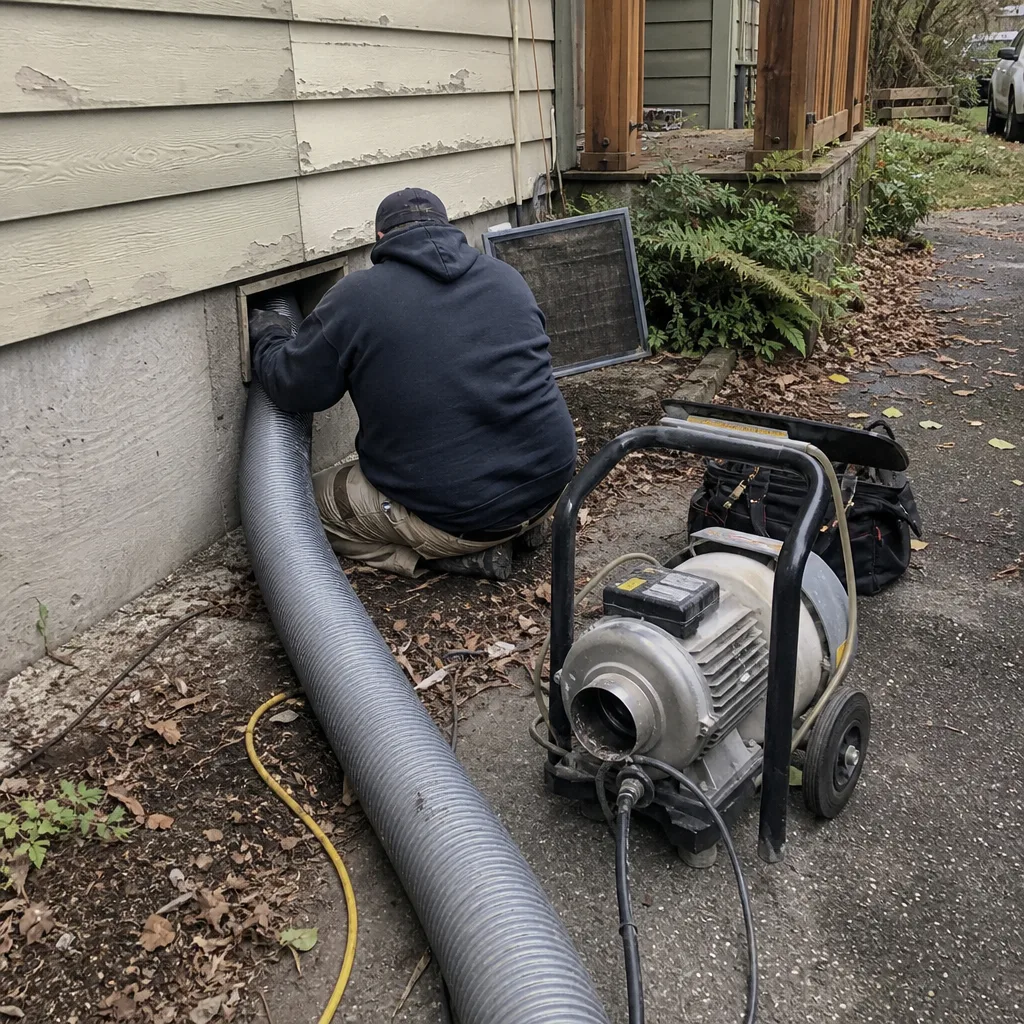 Before
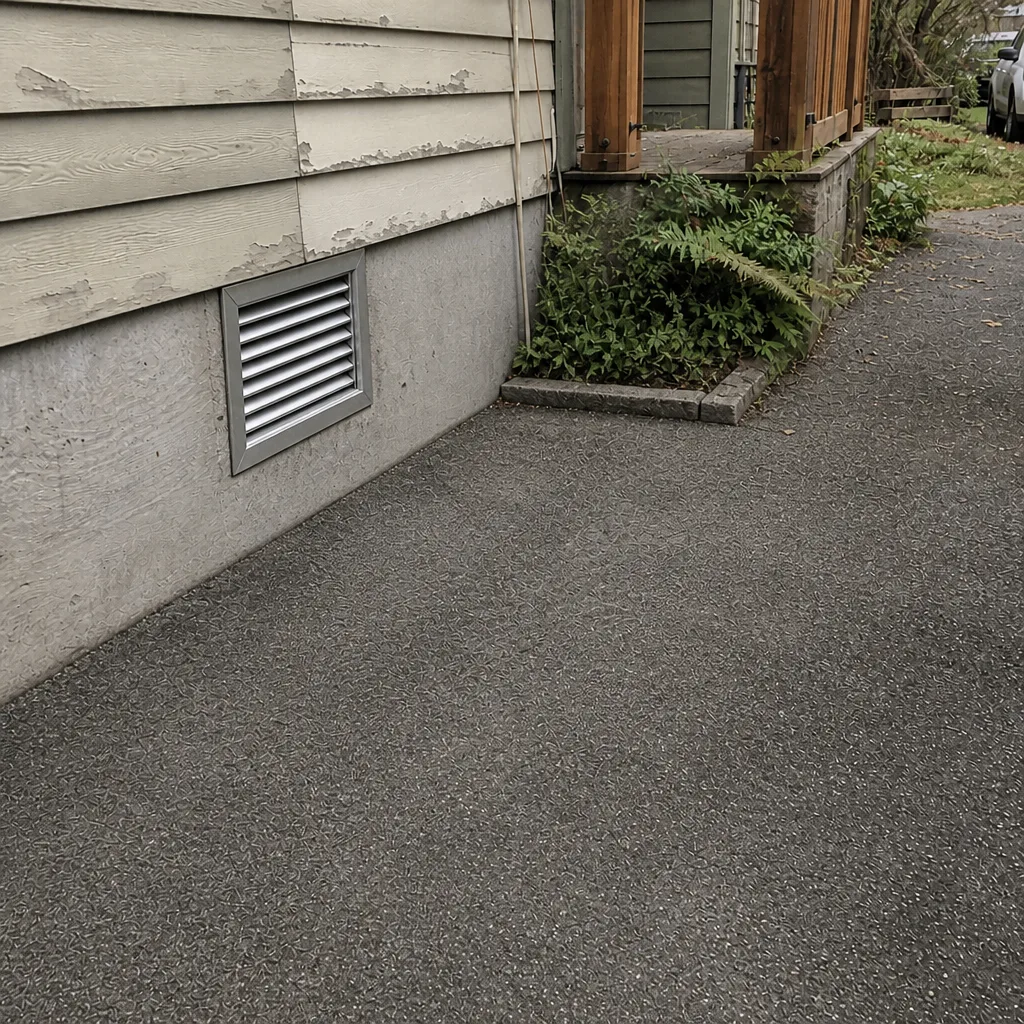 After
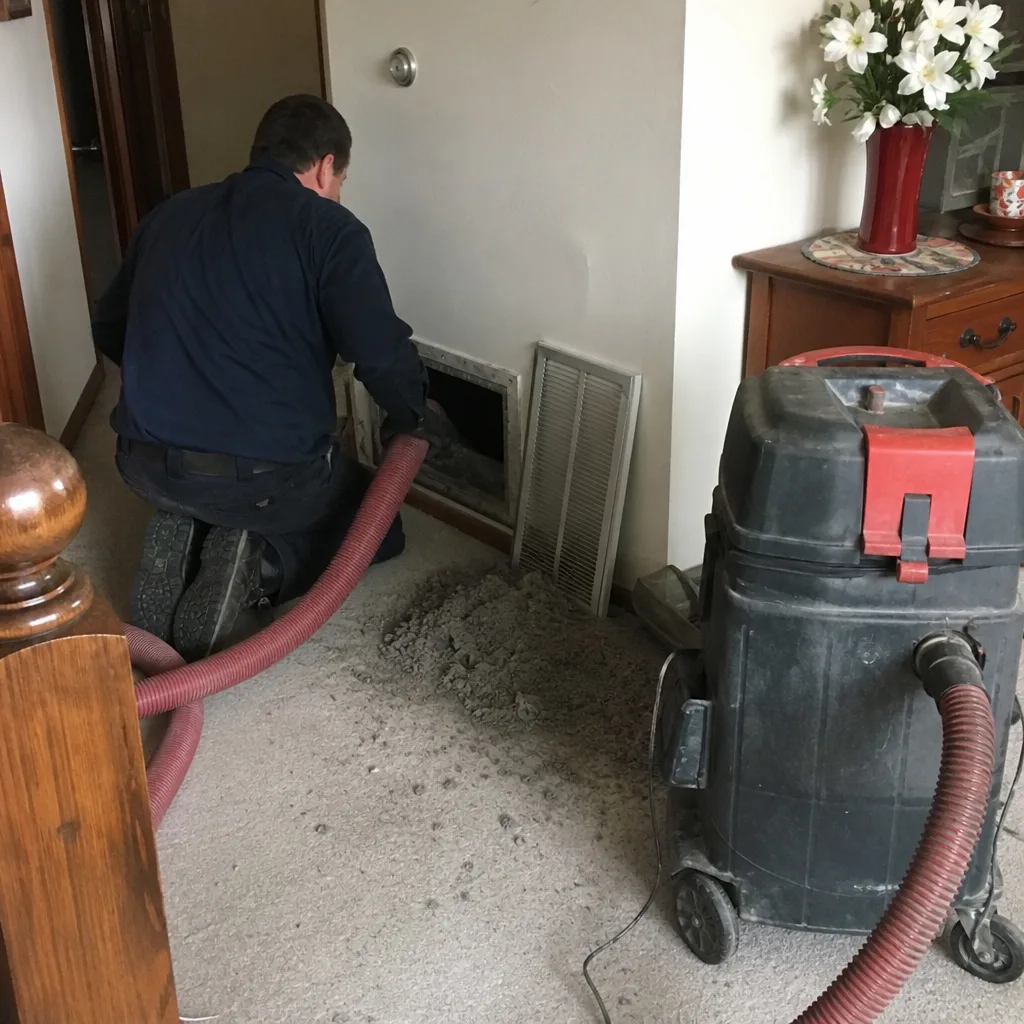 Before
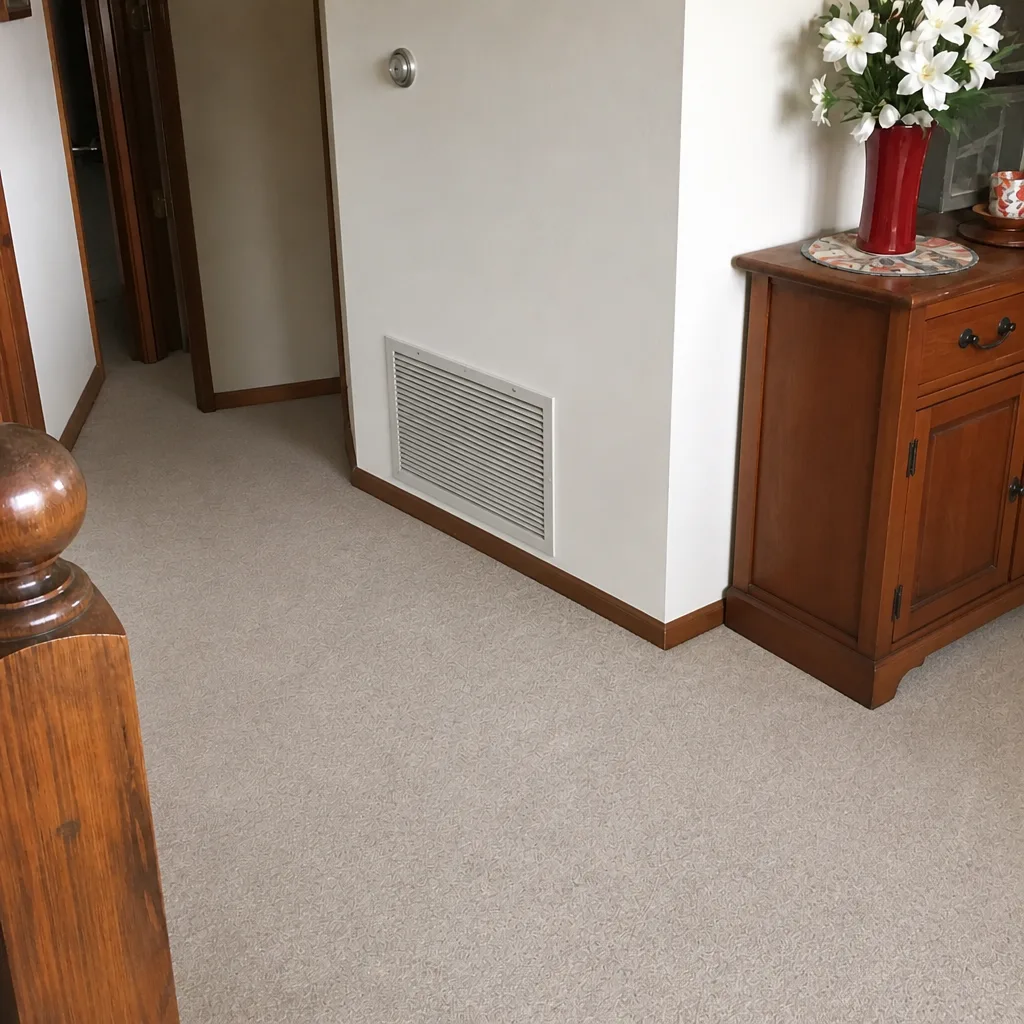 After
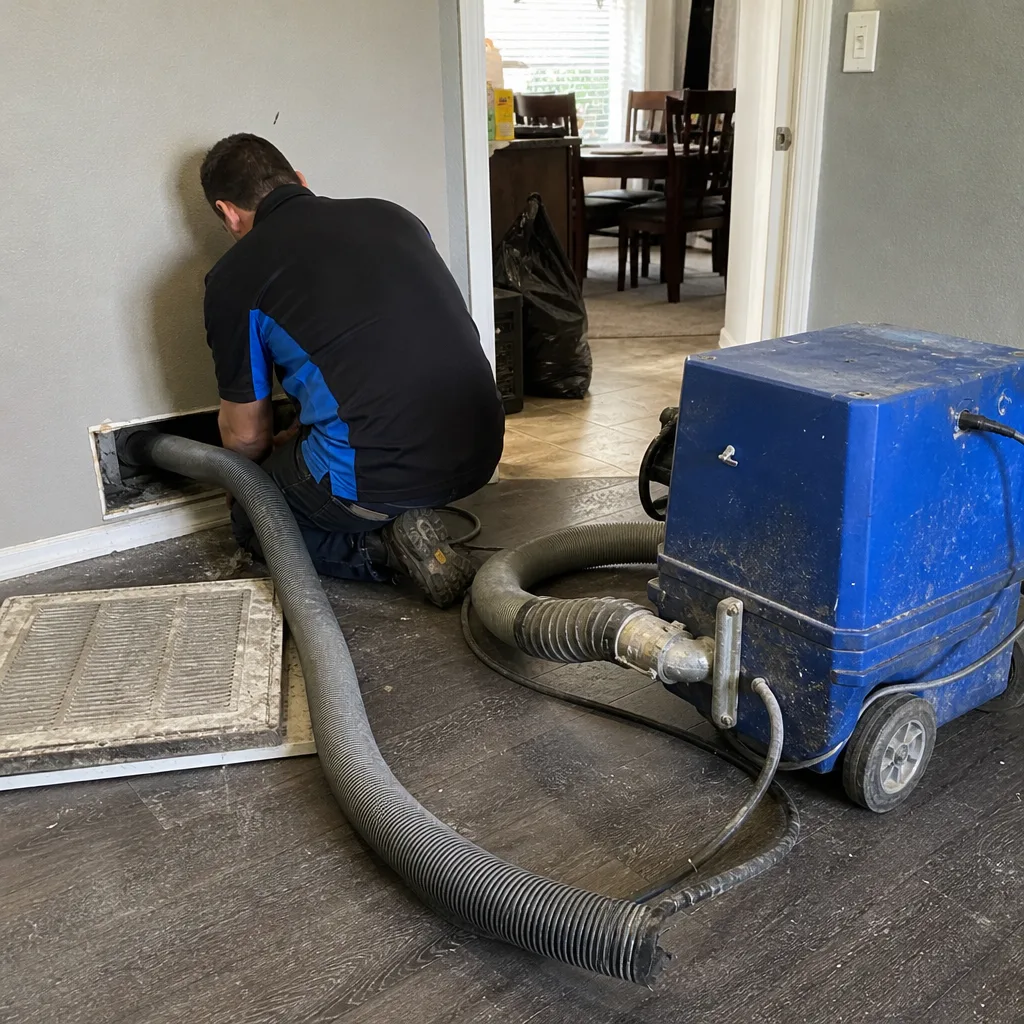 Before
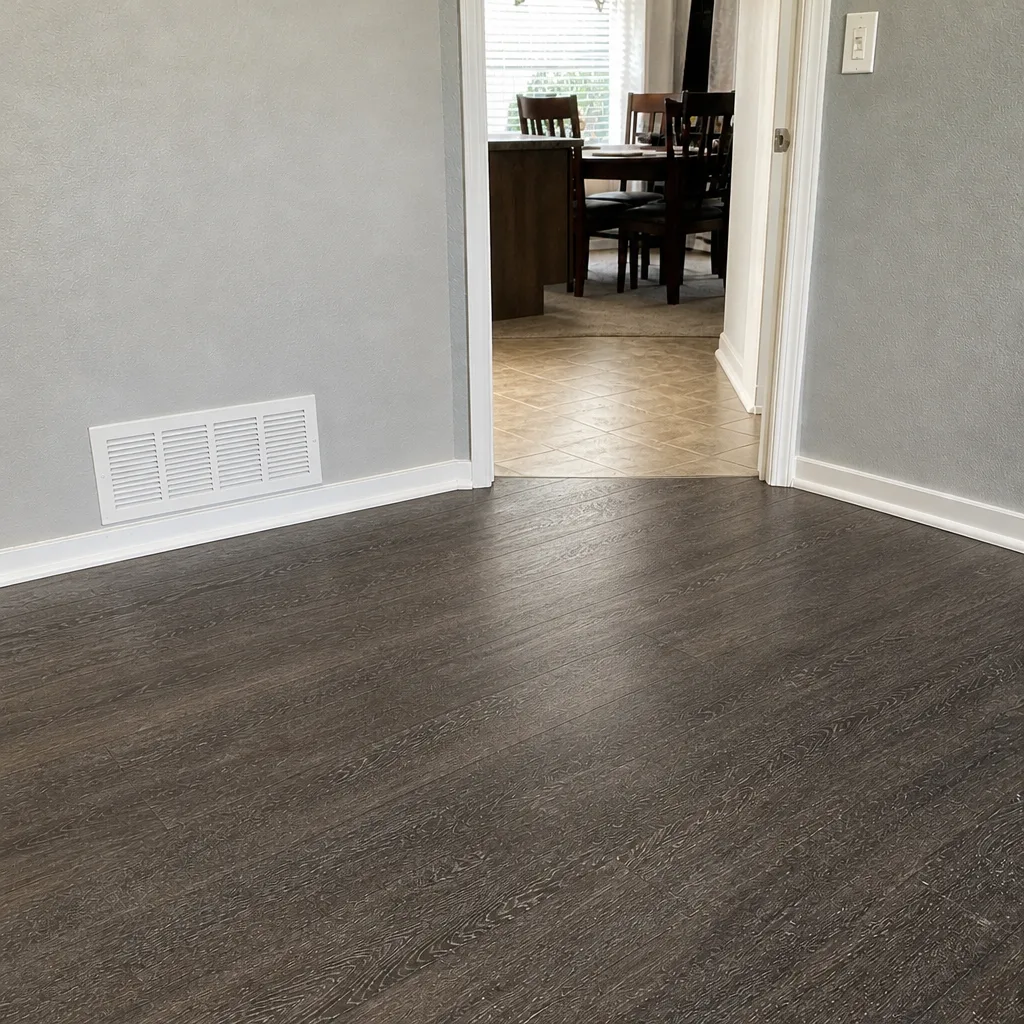 After
When to Call a Professional
Call a professional when the parts of the system you can reach are the only parts you can reach. That’s the short answer. Specifically: after a renovation, after moving into a home with unknown duct history, when dust is visibly accumulating at supply registers, when airflow is noticeably uneven between rooms, after any water event or pest activity, and when the system hasn’t been cleaned in several years. Add a professional call if the dryer takes much longer than it used to, or if you hear whistling at registers.
Air Duct Cleaning Lake City offers free estimates in Lake City. Call (877) 523-5812. We answer 24/7. Fast dispatch from 7am to 7pm, Sunday through Friday. The price is set per job by the written estimate, and there’s one flat price per system agreed before work begins, with before-and-after photos so you can see exactly what was done.
Frequently Asked Questions
Professional air duct cleaning in Lake City is priced per job based on system size and condition, not per vent, because a full-system clean uses equipment and containment sized to the house. The written estimate sets the final price before any work starts. Call (877) 523-5812 for an exact quote, and estimates are free.
Low quotes usually reflect a lighter service: a shop-vac-style vacuum and a quick pass at the registers, without negative-air containment or access to the trunk lines and components. That’s not the same job as a full-system cleaning, and comparing the two on price alone misses what’s actually being done. Ask any contractor what equipment they’ll use and whether containment is part of the job before comparing bids, and call (877) 523-5812 if you’d like a straight comparison against our approach.
The single most reliable signal is before-and-after photos of your own ducts. A contractor using proper equipment can document what they found and what came out. Ask for that documentation whenever you get a cleaning done, from us or anyone else, and call (877) 523-5812 if you’d like to see how we handle it.
Most Lake City homes do well with professional cleaning every few years depending on use, pets, filtration, and any renovations. Homes without pets or recent construction can stretch that interval further; households with heavy dust, allergies, or a lot of foot traffic should lean toward the shorter end. Call (877) 523-5812 to talk through your specific house.
You can clean register covers and the first stretch of branch duct with a shop vac, a HEPA filter, and a soft brush, and that’s worth doing. But the trunk lines, blower wheel, and evaporator coil sit out of reach of any consumer tool, and without negative-air containment your shop vac will move some of what you loosen back into the room. Call (877) 523-5812 when you’re ready to go beyond the registers.
Register care and filter changes are safe for almost anyone. Anything involving the blower compartment, the evaporator coil, or an electrical panel or gas connection is not a DIY job. Those components require training and the right containment to touch safely. If you’re unsure where the line is on your system, call (877) 523-5812 and we’ll tell you honestly what’s DIY-appropriate and what isn’t.
The Bottom Line
DIY duct cleaning covers a real but small slice of the system: register covers, the first accessible stretch of each branch, and routine filter care. The blower wheel, evaporator coil, and main trunk lines sit out of reach of any consumer tool, and the components that require opening an electrical or gas appliance are a hands-off zone entirely. For Lake City homeowners, the practical answer is hybrid care between professional visits, and a full-system cleaning when the signs say it’s time. Registers are yours. Everything past them is a job for professional equipment, and that’s the line this guide is drawn on.
If you’re ready to move past the register covers, call (877) 523-5812 for a free estimate. One flat price per system, agreed before work starts, with before-and-after photos so you know what changed.
Written by the team at Air Duct Cleaning Lake City.