
Last updated November 24, 2026
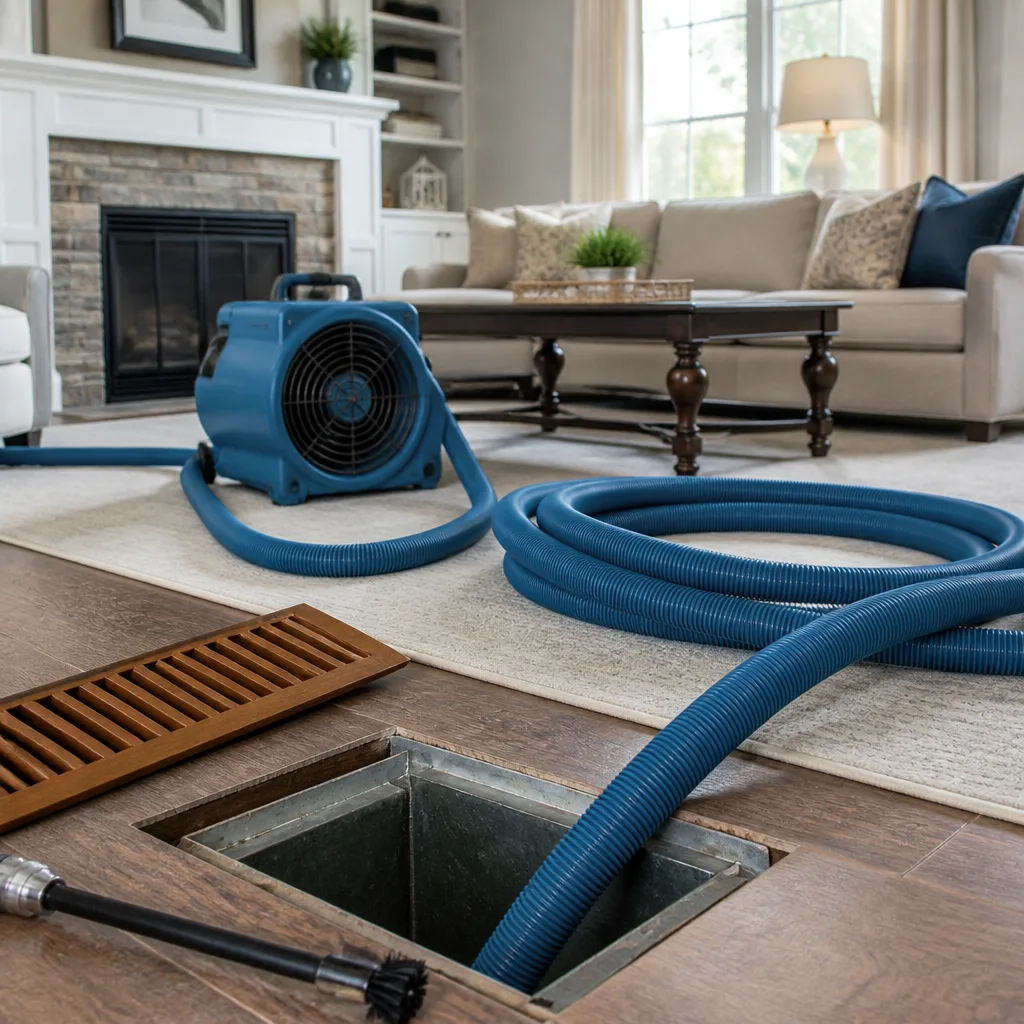 Whole-home duct cleaning
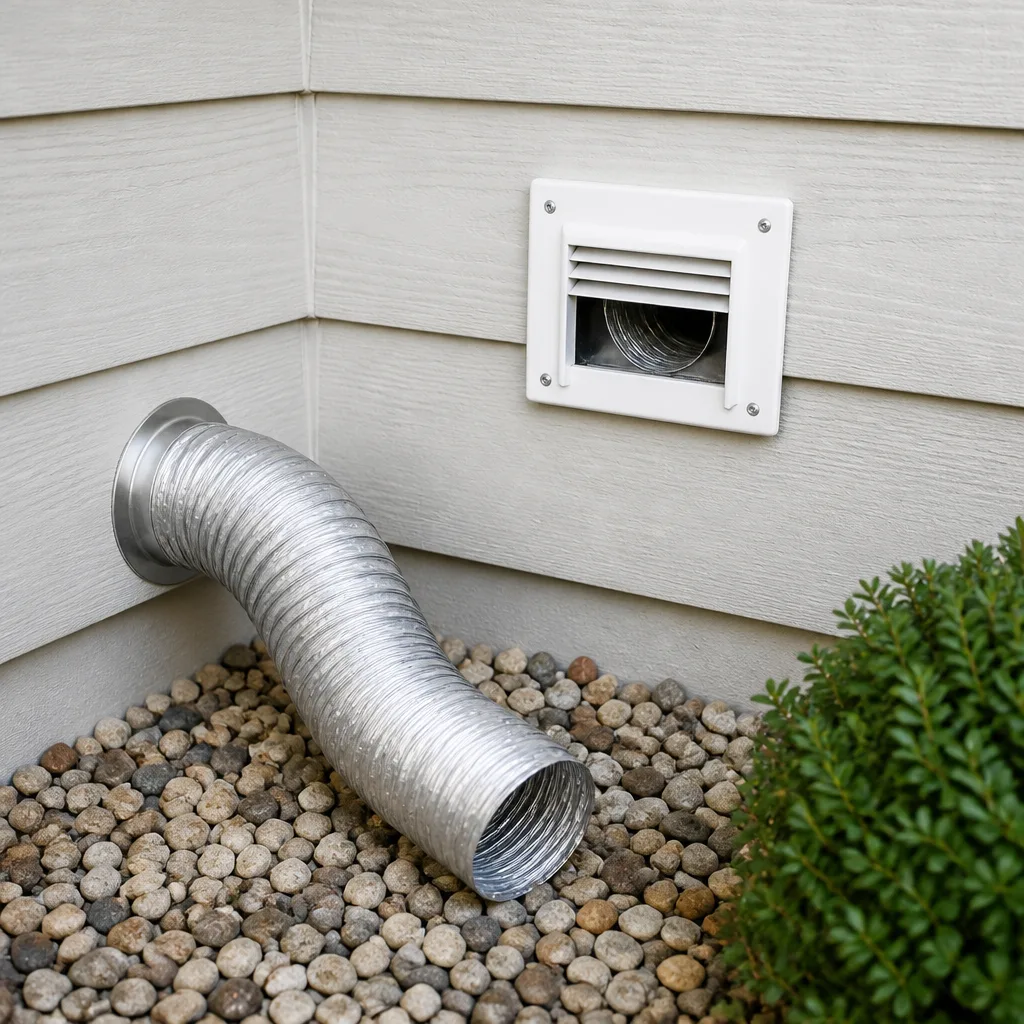 Dryer vent cleaning
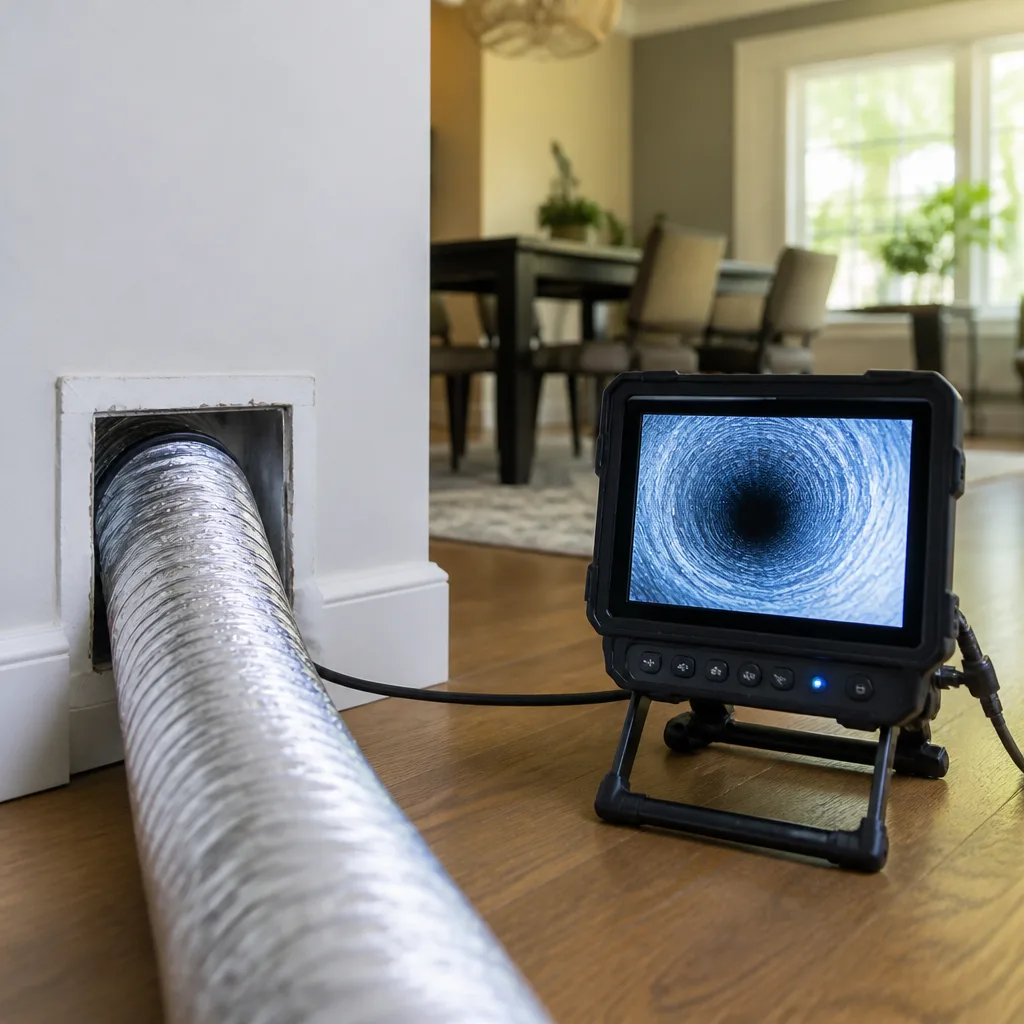 Camera inspection
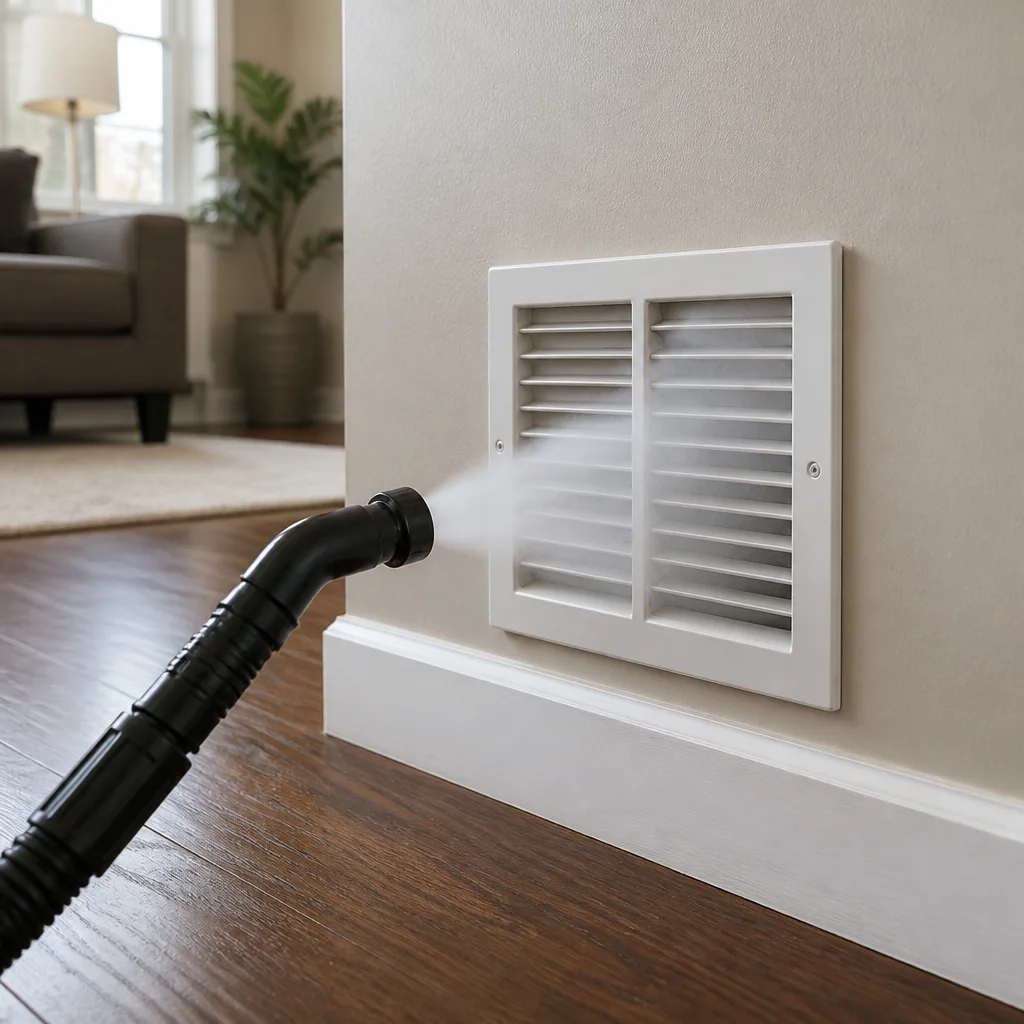 Sanitizing & deodorizing
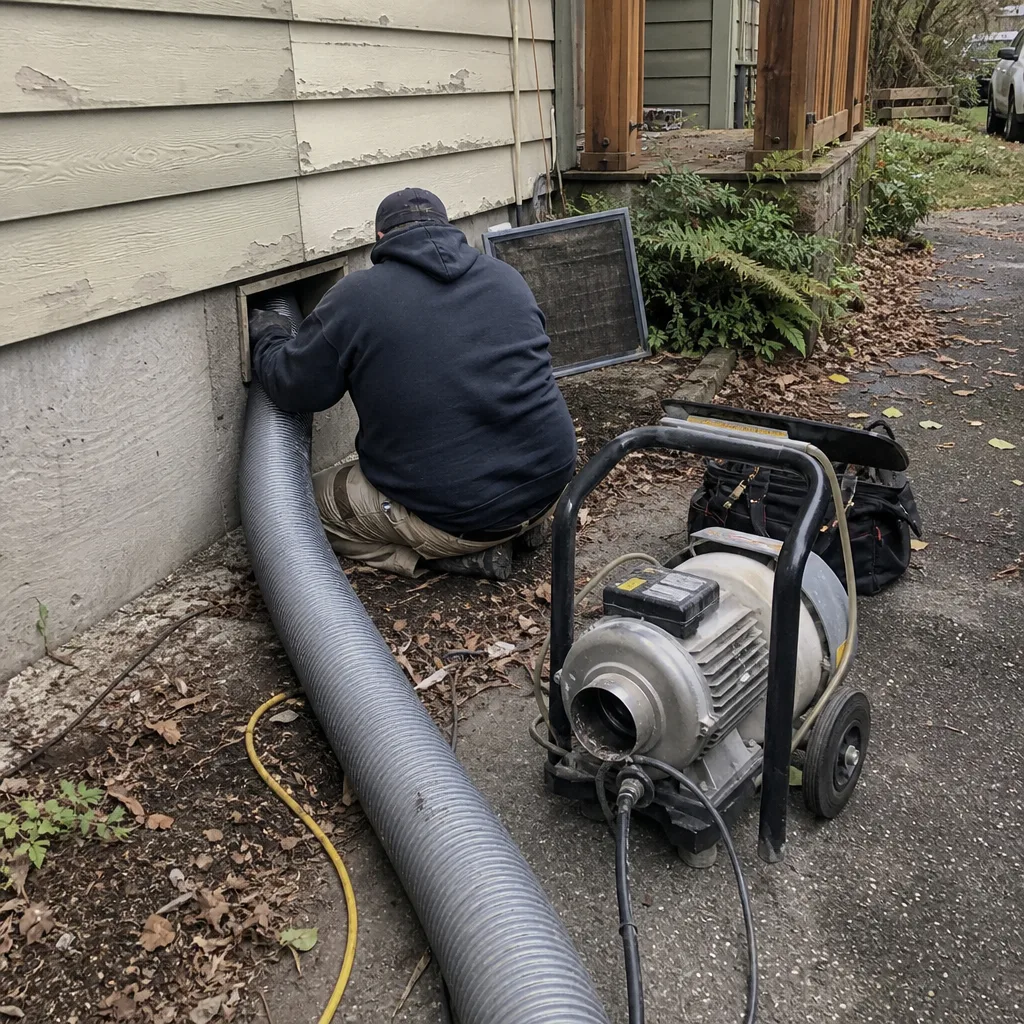
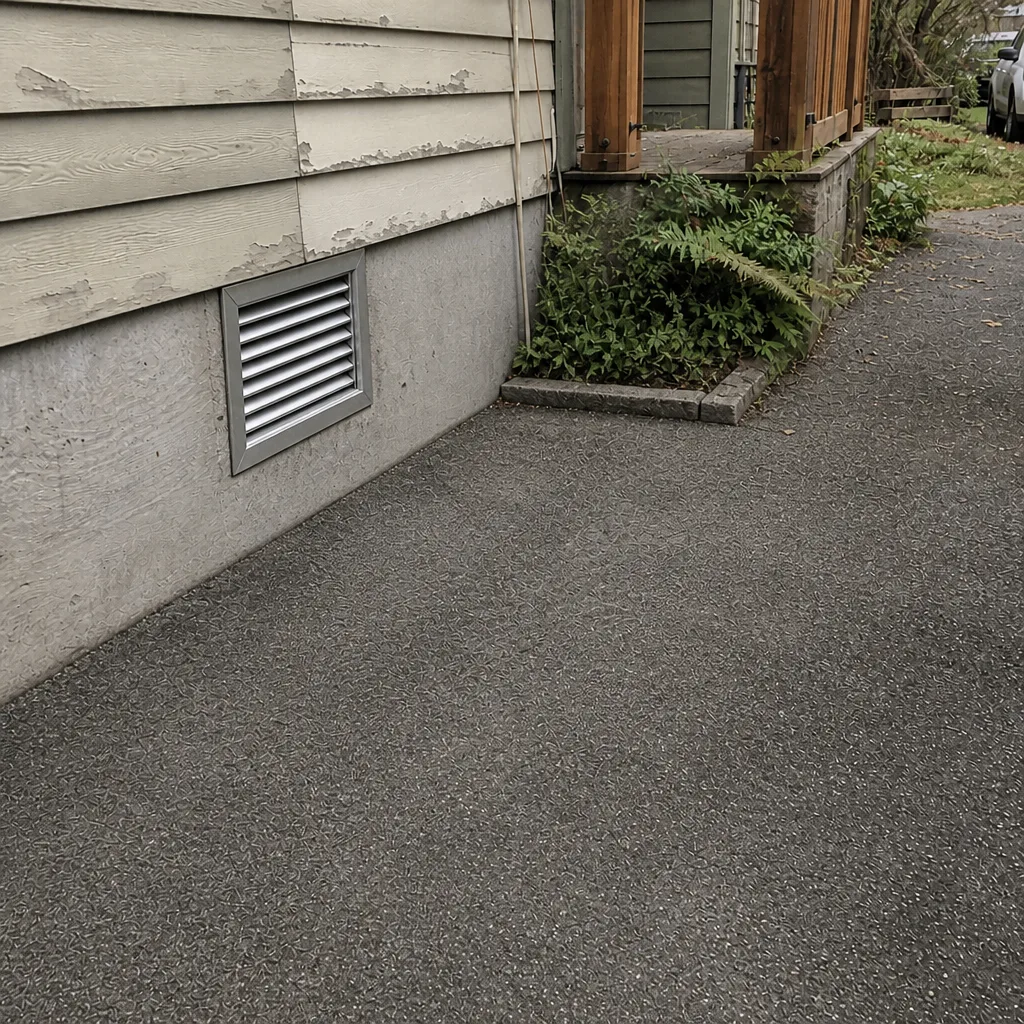
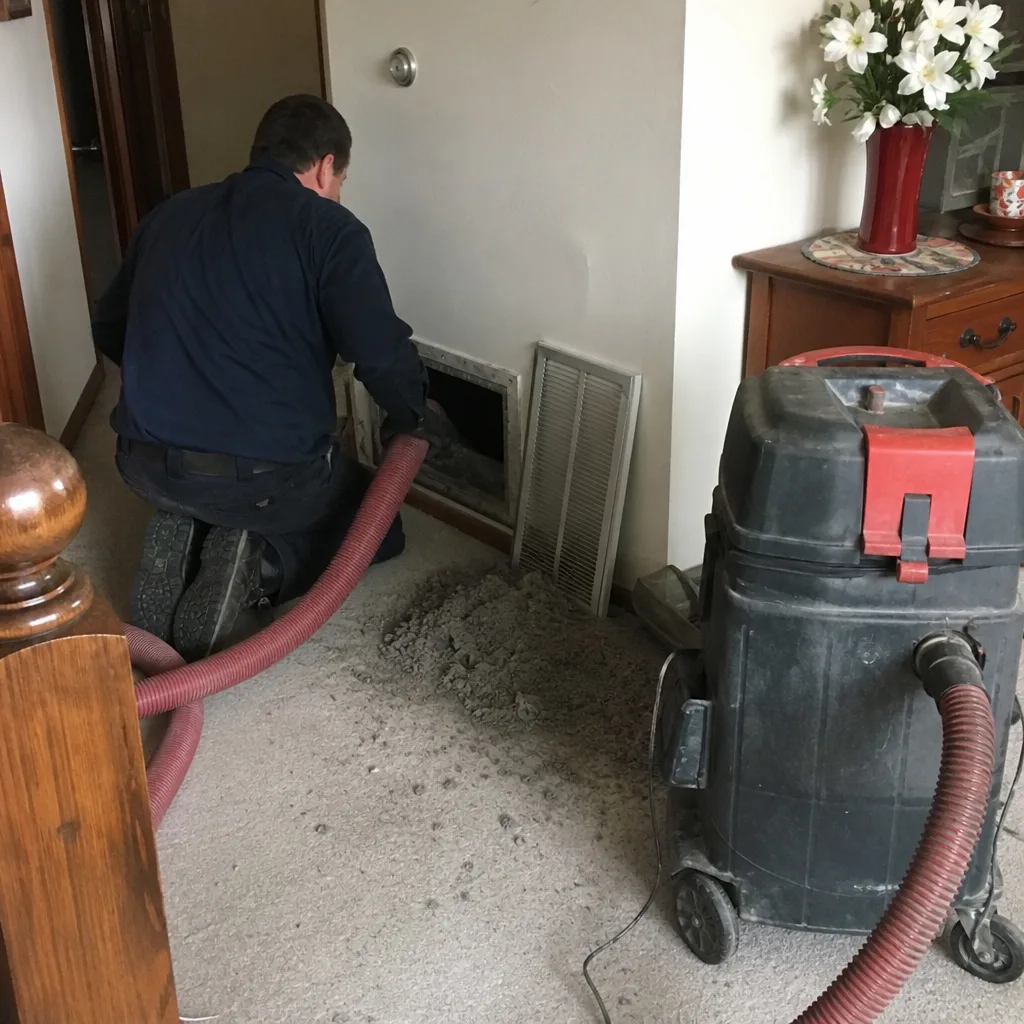
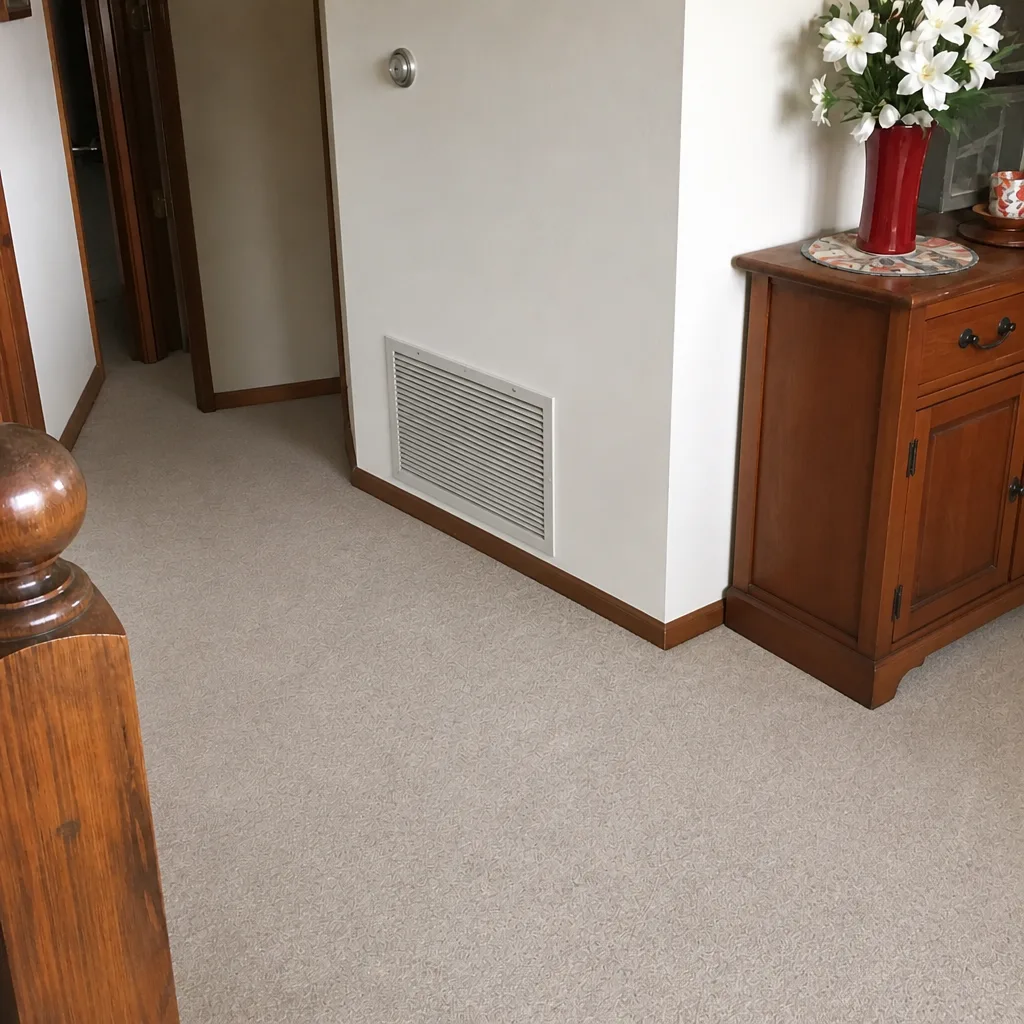
Whole-system duct and dryer vent check with before-and-after photos - you see exactly what came out of your vents
That "$99 whole-house special" is a bait ad - the real number appears once they are in your hallway, or the "clean" is a shop-vac at the register. We photograph the inside of your ducts before and after instead.
Seasonal Air Duct Cleaning Care for Lake City: Year-Round Homeowner’s Guide
Most homeowners treat duct cleaning as a fall chore, something to think about when the furnace kicks on. In Lake City that timing is backwards. The heaviest debris load in a local duct system usually arrives in spring, when pollen and construction dust pull into return registers for weeks. Wildfire smoke season can then coat the inside of that same ductwork in August, and by the time the heat comes on in October, the system is circulating what it collected months earlier. This guide walks through Lake City’s four real seasonal pressure points and what to do about each, so you can plan the work instead of reacting to it.
Quick Answer
In Lake City, air ducts should be inspected in early spring and cleaned before the heating season starts, with filter checks through summer smoke events and a moisture look-over each winter. Four seasons create four different loads: spring pollen and construction dust, summer wildfire particulate, fall blower and heat exchanger startup, and winter condensation. The most useful habit is a simple 12-month task calendar tied to those pressures, not a single annual cleaning.
Styles & brands we work with
- Whole-home duct cleaning
- Dryer vent cleaning
- Camera inspection
- Sanitizing & deodorizing
Table of Contents
- Why Lake City’s Air Quality Calendar Is Different
- Spring: Pollen and Construction Dust Fill the Return Ducts
- Summer: Smoke Season and the AQI Threshold That Matters
- Fall: Blower Wheels, Heat Exchangers, and the Cost of Waiting
- Winter: Moisture, Condensation, and Flex Duct in Crawl Spaces
- Building Your 12-Month Duct Care Calendar
- What Seasonal Duct Work Costs in Lake City
- Common Mistakes to Avoid
- When to Call a Professional
- Frequently Asked Questions
Why Lake City’s Air Quality Calendar Is Different
Lake City sits in a part of Washington where the seasons push different things into your ductwork, and they don’t push evenly. A national maintenance calendar built for a temperate four-season climate misses the two biggest local drivers: a spring pollen pulse that lands hard on return ducts, and summer smoke events that arrive with little warning and settle into the same duct surfaces the pollen just coated.
Density growth in Lake City feeds the spring problem directly. New construction and remodels send fine drywall dust, sawdust, and insulation fibers into the air, and a running HVAC system pulls that material toward the return registers first. Return ducts are the low-pressure side of the system, so whatever is airborne ends up there. In our experience, a spring return-duct inspection in a Lake City home near active construction often shows more buildup than a heating-season check would.
Then there’s the shoulder season nobody talks about. Between the last cold snap and the first hot week, many Lake City homes run the system lightly or not at all. That quiet period lets settled dust compact onto duct walls and blower components. When the system comes back on, it lifts what’s been sitting.
And winter in this climate means moisture, not deep cold. Duct runs through crawl spaces and unconditioned sections see condensation cycles that a drier climate never produces. That’s why the work shifts by season. Cleaning is about the load; the load changes. For a full look at what professional service involves, see our main page on Air Duct Cleaning Lake City.
Spring: Pollen and Construction Dust Fill the Return Ducts
Spring is the highest-debris intake season for return ducts in Lake City, and it’s not close. Pollen releases over a compressed window, windows open for the first time in months, and construction dust from density growth rides along with it. Your return registers act like a slow vacuum, pulling all of it into the system.
Here’s a spring routine that fits the actual conditions:
- Check return registers first. Pop the grille and look at the duct wall behind it. A visible film of pollen-colored dust in spring is normal. A matted layer with debris is the sign that cleaning is due.
- Change the filter at the start of pollen season, not after. A loaded filter stops catching anything, and some systems will pull air around a clogged filter rather than through it.
- Close windows during peak release days. Running the system with clean filters on the days pollen is heaviest keeps the outdoor load from becoming an indoor load.
- Book the inspection before the load builds. An early-spring inspection in Lake City shows you what winter left behind, before pollen season adds to it.
Construction dust deserves its own note. If a neighbor is building, if your own home is under remodel, or if a builder finished nearby within the last year, plan around it. Fine drywall dust settles into duct surfaces and stays there until mechanically removed. A vacuum alone won’t lift it. That’s why professional systems use rotary-brush equipment like Rotobrush, which agitates the duct wall as it extracts rather than just pulling loose surface dust. If you suspect remodel dust has moved through the system, an air duct cleaning visit before summer is the practical move.
Summer: Smoke Season and the AQI Threshold That Matters
Wildfire smoke in Lake City changes the duct-care question. For most of the year, cleaning is about buildup. During smoke season, it’s about filtration and what the system is pulling in while your windows are closed and the air conditioner is running daily.
Air quality index readings are the tool to watch. A common practical threshold is an AQI of 50 to 100: air quality is moderate, and a standard filter change is usually enough. Above 100, and especially into the unhealthy-for-sensitive-groups range, the indoor situation becomes worth acting on. Above that, people with asthma or young children commonly notice the difference indoors.
The summer sequence worth following:
- Check the AQI before opening windows. Smoke events that look hazy but read low on the index are less serious than clear days that read high.
- Upgrade filter efficiency during smoke events. A higher MERV filter catches more fine particulate, provided your system can handle the added resistance. If you’re unsure, ask a technician before buying one.
- Keep the system running on fan-circulate during smoke days. Recirculating through a good filter is what removes indoor particulate, and stopping the fan lets it settle back onto surfaces.
- Consider a whole-home air cleaner if smoke events recur. Honeywell and Aprilaire units install inline with the ductwork and handle filtration continuously, not just when the system is running hard.
Where this crosses into duct inspection is simpler than it sounds. If your ducts are coated with debris from spring and early summer, smoke particulate collects on those surfaces and then feeds back into the airstream for weeks. Clean ducts plus good filtration is the combination that works. Clean ducts without filtration just gets dirty again. Filtration without clean ducts just filters a loaded system. For the filtration side of HVAC work, our page on HVAC cleaning covers the equipment-side details.
Fall: Blower Wheels, Heat Exchangers, and the Cost of Waiting
Fall is when Lake City’s heating system wakes up, and it’s the last good window to catch problems before the system runs daily. Two components matter most here: the blower wheel and the heat exchanger.
The blower wheel is a fan with many small blades, and every cubic foot of air the system circulates passes across it. In a home with seasonal dust, pollen, and smoke particulate in the air column, a thin layer of debris builds on those blades over time. A dirty blower wheel is unbalanced, so it moves less air at the same energy cost. That shows up as longer runtimes, uneven heating, and higher bills. The energy loss over a heating season usually costs more than the cleaning visit that would have prevented it, and the loss compounds year over year as the layer thickens.
A dirty blower wheel isn’t the only one. The evaporator coil, cabinet interior, and accessible duct sections accumulate in the same way. Cleaning the full system before heating season means the system starts at its designed efficiency rather than working against a season’s worth of buildup.
Then there’s the heat exchanger. If yours is older, a fall inspection is the moment to have it checked. A cracked heat exchanger is a safety issue, and it’s not something you diagnose yourself. If you’re seeing soot, smell combustion gases, or hear a rumbling or popping during startup, get a professional in before the heating season. This isn’t a DIY check.
For Lake City homeowners, we book fall furnace and duct inspections before the first cold week for exactly this reason. The work is cheaper and the system runs better. For detailed equipment-side work, see HVAC cleaning.
Winter: Moisture, Condensation, and Flex Duct in Crawl Spaces
Winter in the Pacific Northwest is about moisture, not cold, and ductwork in unconditioned spaces is where that matters. If some of your ducts run through a crawl space, garage, or attic, the temperature difference between the duct interior and the surrounding air turns those runs into condensation surfaces.
What to look for:
- Condensation inside the register boot. A faint water line or musty smell behind a supply register points to a cold duct run shedding its moisture.
- Sagging or disconnected flex duct in the crawl space. Flex duct in a damp environment can sag, lose insulation integrity, or separate at a joint.
- Mold odor near the register, especially on the lower floor. Musty smell in winter is worth investigating, not ignoring.
- Damp patches or standing water under duct runs. Water pooling below duct runs usually points to a bigger issue, like an unsealed return or a condensation problem.
Winter moisture is why we recommend air duct cleaning at the right time of year rather than the wrong one. Cleaning a duct system that’s actively holding moisture doesn’t solve the problem. Sealing it does, and we handle that too. Duct repair and sealing is part of our service, which makes winter a good time to address the leaky joints that let cold crawl-space air in with the moisture.
Building Your 12-Month Duct Care Calendar
A year-round plan built around Lake City’s four pressure points works better than a single-day-of-the-year reminder. Here’s the one we recommend to homeowners who want to stay ahead of the seasons.
- March (spring intake). Change the filter before pollen peaks. Inspect return registers for the beginning of buildup. Book an inspection if there’s a nearby remodel or recent construction.
- April to May (spring cleaning window). If the inspection shows heavy return-duct debris, schedule a full-system clean. This is the highest-value window for cleaning in most Lake City homes.
- June to August (summer smoke season). Watch AQI. Change filters when readings climb. Continue circulating air through a good filter on smoke days. Consider a Honeywell or Aprilaire air cleaner if smoke events are recurring in your area.
- September (pre-heating inspection). Have a technician check the blower wheel, the evaporator coil, and the heat exchanger before the system starts running daily. Clean the full system if buildup is visible.
- October (heat starts). Filter check after the first week of furnace operation. Note any unusual smells, sounds, or uneven heating.
- November to February (winter moisture). Check register boots and crawl-space duct sections for condensation or dampness. Fix any duct leaks or disconnected runs before they cause long-term problems.
A realistic calendar also needs cost expectations. Instead of a surprise annual service call, budget the seasonal work the way you budget for oil changes or lawn care: small, predictable amounts spread through the year. Air duct cleaning in Lake City typically runs as a whole-system job, not a per-vent price, and the estimate is set before any work starts. Knowing roughly what the work costs makes the seasonal decisions easier. For a full breakdown, see air duct cleaning Lake City.
If you want the whole schedule handled with a single annual walk-through, we can help you set up a pre-heating-season inspection that catches most of what changes. Call (877) 523-5812 for a free estimate.
What Seasonal Duct Work Costs in Lake City
Pricing in Lake City follows the same seasonal logic as the work. Spring and fall visits tend to involve the full system, while summer and winter are usually a single-service or inspection call. Exact numbers depend on home size, system type, and what the inspection finds. The ranges below are typical for the Lake City market and are estimates, not final prices. The written estimate sets the actual cost.
| Seasonal task | Typical Lake City range |
|---|---|
| Spring full-system duct cleaning, typical home | $350 to $700 |
| Fall pre-heating-system inspection plus blower and coil clean | $350 to $650 |
| Summer filter upgrade or air cleaner install (Honeywell or Aprilaire) | $250 to $900 depending on equipment |
| Winter duct repair and sealing, small to moderate scope | $300 to $800 |
| Duct sanitizing after cleaning (Guardsman-line treatment) | $100 to $300 added |
| Dryer vent cleaning, single run | $100 to $200 |
One thing worth stating directly: the lowest quote you get is rarely the full picture. Some duct cleaning companies advertise a very low base price, then charge separately for each vent, each register, and each additional system in the home. The invoice at the end can be several times the quote, and you can’t compare it against a straight estimate. We work from one flat price per system, agreed before any work starts, plus before-and-after photos of your own ducts so you can see what was done. That’s what makes a seasonal budget workable.
For a more detailed breakdown across every service, see our page on air duct cleaning. For dryer vent costs specifically, our dryer vent cleaning page covers what a full run inspection involves.
Common Mistakes to Avoid
We see the same handful of seasonal mistakes repeated in Lake City, and most of them are easy to avoid once you know what to watch for.
- Cleaning only in the fall. Waiting for heating season means cleaning off a season’s worth of pollen and smoke that’s been circulating all summer. Spring intake is the bigger load in most Lake City homes, so plan for that window.
- Replacing the filter without checking return registers. A new filter in a system with a clogged return duct just runs restricted. Check what’s behind the register before assuming the filter is the whole answer.
- Chasing the lowest advertised duct cleaning price. A very low initial quote often balloons once per-vent charges are added. Ask for a flat price per system in writing before you book.
- Ignoring a smoke-day filter upgrade because the system feels fine. Systems rarely feel worse until airflow drops noticeably. By the time you notice, the filter has been overloaded for weeks. Watch the AQI instead.
- Skipping the pre-heating blower check. A dirty blower wheel costs more in energy over a heating season than the cleaning would have. It’s one of the few services that pays for itself in efficiency.
- Assuming winter moisture is nothing. Condensation inside a register boot or damp patches under crawl-space flex duct often point to a real duct leak. Fixing the leak before spring is far cheaper than fixing mold or rot later.
- Running a dirty dryer vent through a Lake City winter. Dryer vent lint and winter indoor moisture combine to slow drying times further and raise fire risk. It’s one of the few seasonal tasks worth handling on your own or via a quick professional visit.
When to Call a Professional
Some seasonal tasks are homeowner work: changing filters, checking return registers, watching the AQI. Others need equipment and training. A few situations worth calling in:
- Visible debris in return ducts, especially after remodel or nearby construction
- Recurring musty smell or condensation at registers in winter
- Any indication of a problem with the heat exchanger, including smells, soot, or unusual sounds during startup
- Wildfire smoke events that keep your home smoky even with windows closed and a good filter installed
- A dryer that takes noticeably longer to dry than it used to
- Sagging flex duct or visible gaps in crawl-space runs
Air Duct Cleaning Lake City offers free estimates in Lake City. Call (877) 523-5812. We answer 24/7. Fast dispatch from 7am to 7pm, Sunday through Friday. Our technicians have up to 11 years of experience, and our full system work covers duct cleaning, dryer vent work, HVAC cleaning, duct repair and sealing, and sanitizing.
Frequently Asked Questions
Most Lake City homes benefit from cleaning every two to three years, with annual inspections. The pollen load and summer smoke events mean a yearly check in spring or early fall catches buildup before it becomes an efficiency issue. Homes with pets, smokers, or recent construction may need cleaning more often.
Spring is usually the better season for the cleaning itself, because it captures winter’s buildup before pollen season adds to it. Fall is the better season for the pre-heating inspection of the blower wheel and heat exchanger. The two together are what we recommend for most Lake City homeowners.
Yes, with a good filter installed. Running the system on fan-circulate with a higher-MERV filter is the practical way to remove indoor particulate during smoke events. Keep windows closed and change the filter more often if AQI readings stay elevated for more than a few days.
Musty smell near registers in winter usually points to condensation on a cold duct run or a moisture problem in a crawl-space duct section. Cleaning won’t fix it on its own. In our experience, sealing and repairing the duct run addresses the source. Call (877) 523-5812 for a free estimate.
Typical Lake City air duct cleaning ranges from $350 to $700 for a whole-system job. Exact cost depends on home size, number of systems, and what the inspection finds. Estimates are free, and the written estimate sets the final price.
Ask for before-and-after photos of your own ducts and a flat price per system agreed in writing before work starts. Professional equipment like Rotobrush and Nikro allows the technician to show visible results. If a company can’t provide photos or a written estimate, that’s a sign to look elsewhere.
Very low quotes often turn into a higher invoice once per-vent charges and add-on services get added. A flat price per system agreed before work starts is the better comparison. Call (877) 523-5812 for an honest estimate.
A dirty blower wheel becomes unbalanced and moves less air at the same energy cost, which means longer runtimes and higher bills. In a Lake City home running its furnace through the winter, that efficiency loss often costs more than the cleaning visit. A pre-heating inspection in early fall catches it.
The Bottom Line
Lake City’s air quality year runs on four pressure points: spring pollen and construction dust, summer wildfire smoke, fall heating startup, and winter moisture. Plan duct work around those, not a one-size-fits-all annual reminder. Inspect in spring, clean before pollen load peaks, upgrade filtration during smoke season, check the blower wheel and heat exchanger each fall, and address any winter moisture early. The seasonal calendar is the whole strategy, and the routine tasks are simple to keep up. For Lake City homeowners who want the whole schedule handled by a technician with Rotobrush and Nikro equipment, the seasonal call is the easiest place to start.
Call (877) 523-5812 for a free estimate. We answer 24/7. Fast dispatch from 7am to 7pm, Sunday through Friday. Air Duct Cleaning Lake City offers residential and commercial air-duct cleaning, dryer vent cleaning, HVAC cleaning, duct repair and sealing, and air quality sanitizing across Lake City.
Written by the team at Air Duct Cleaning Lake City.
See the difference
 Before
 After
 Before
 After
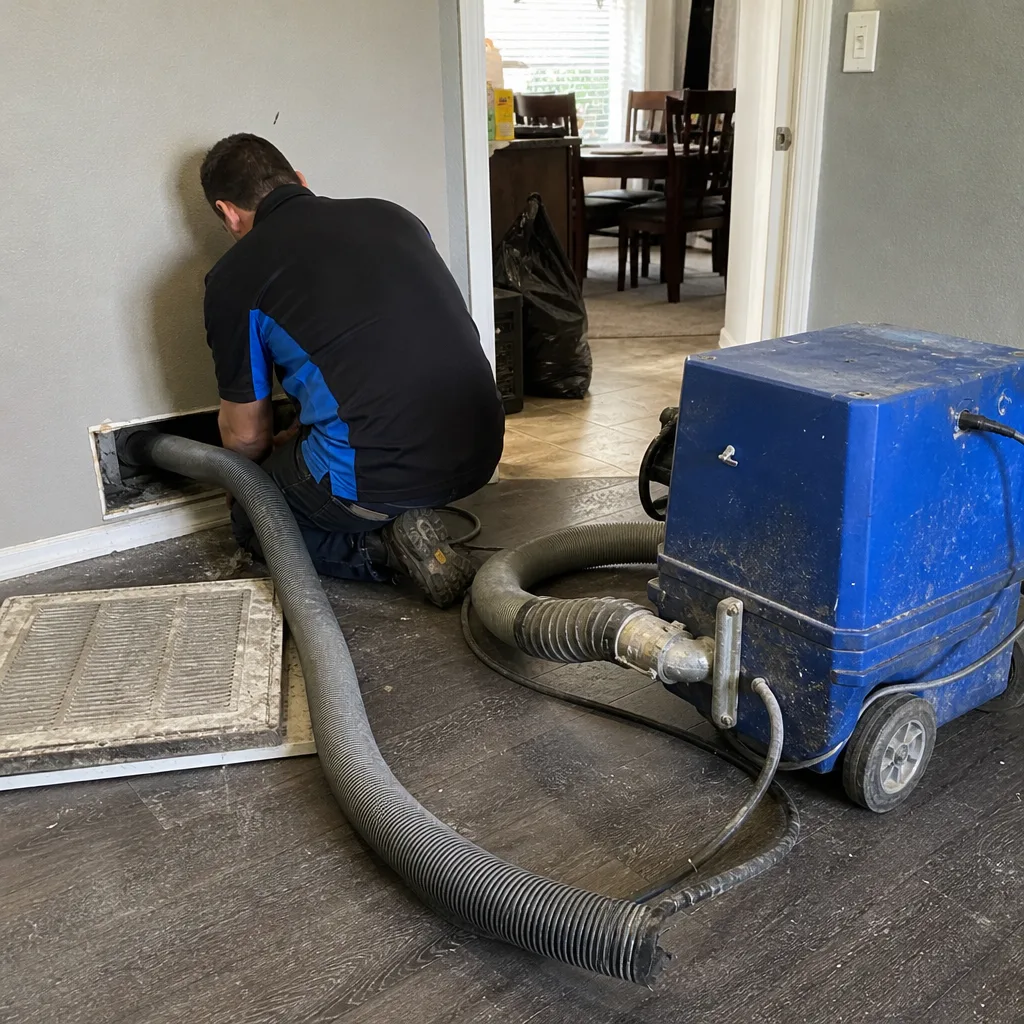 Before
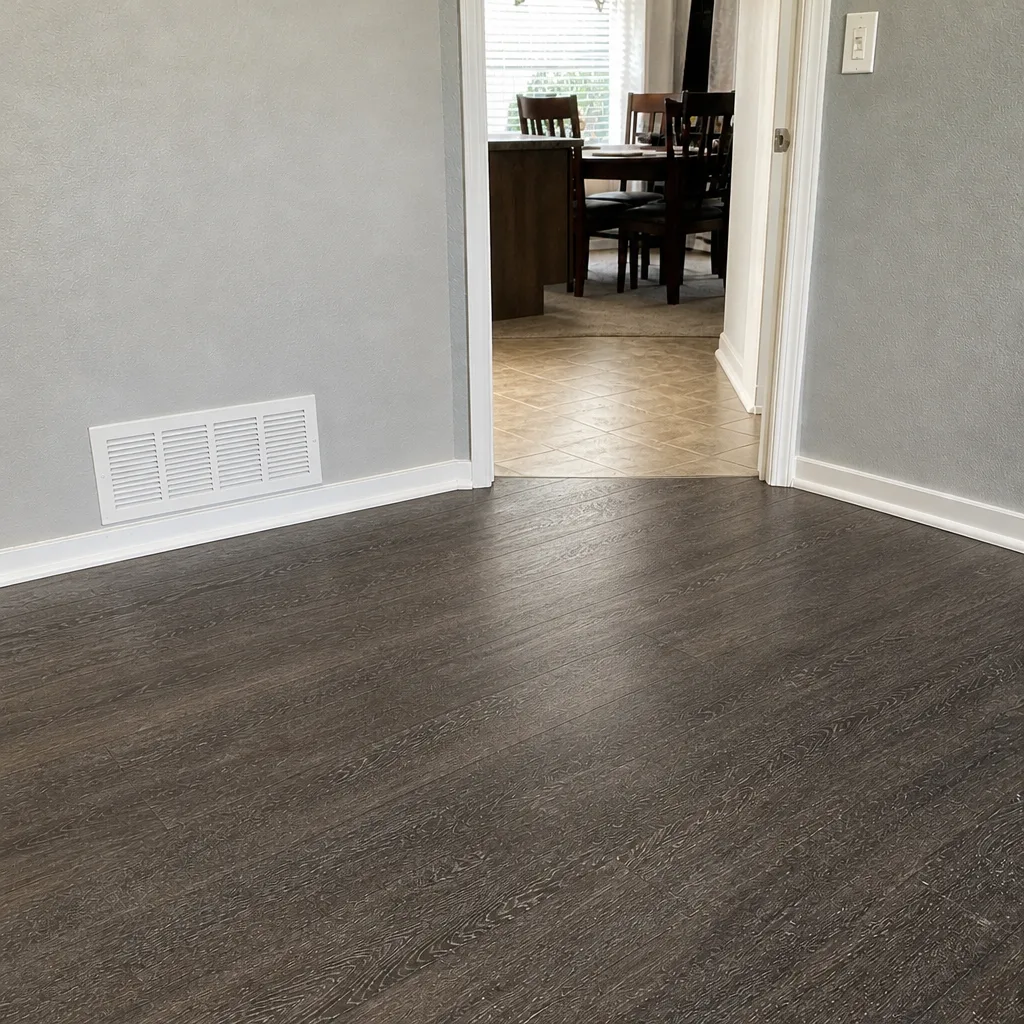 After