
Last updated November 24, 2026
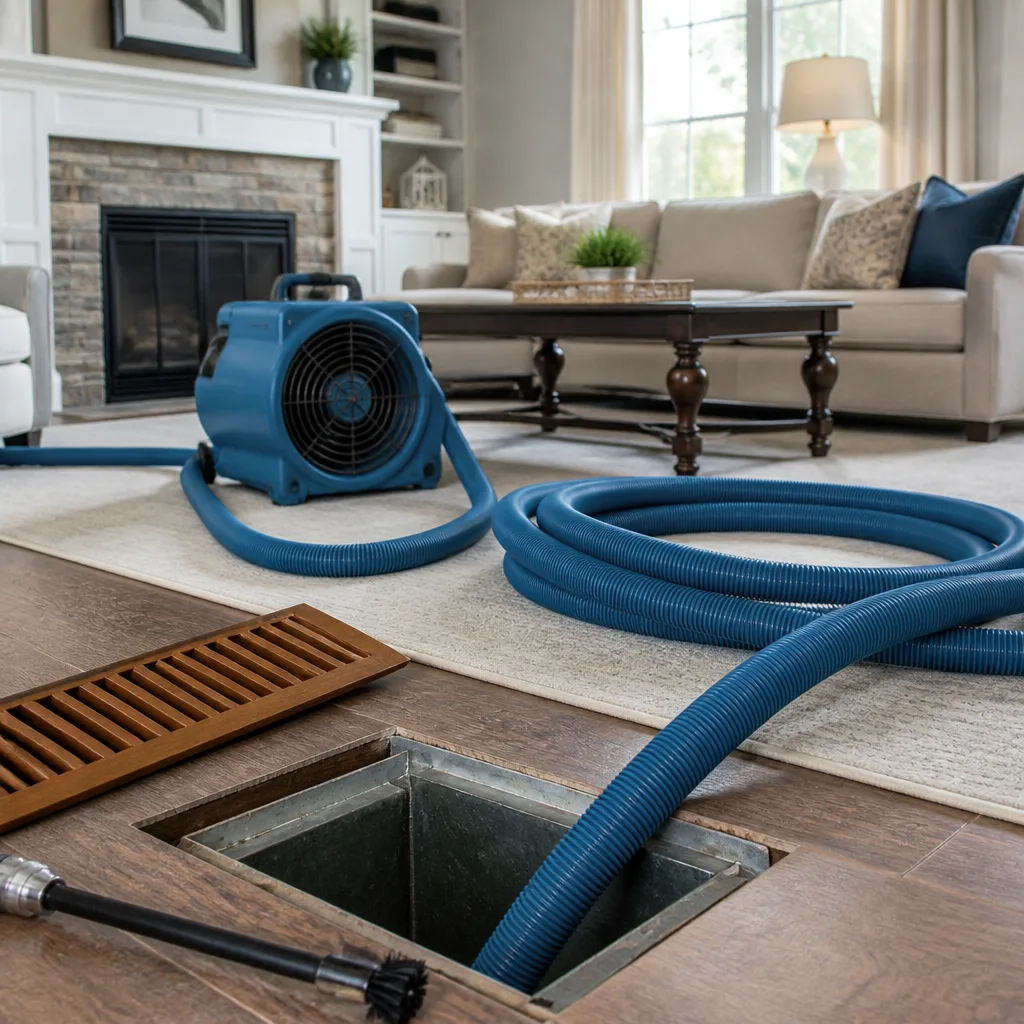 Whole-home duct cleaning
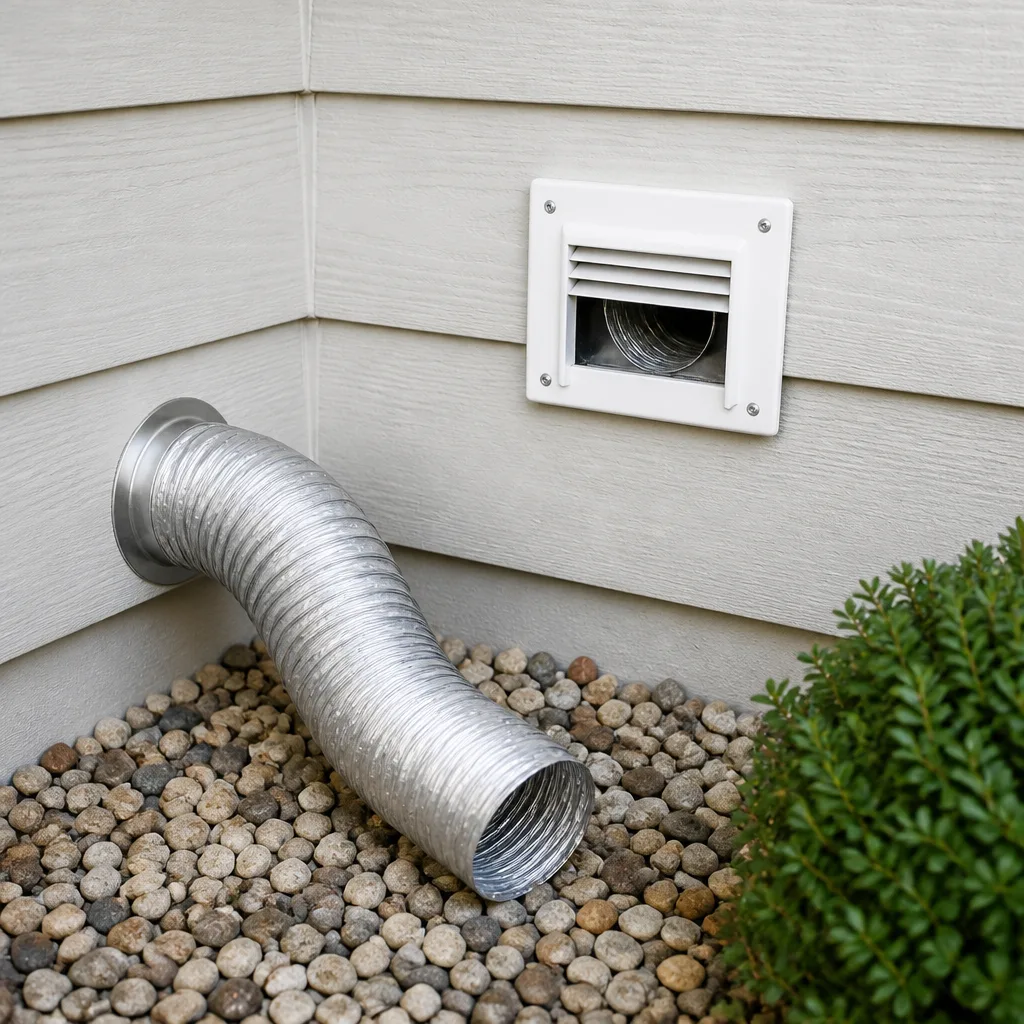 Dryer vent cleaning
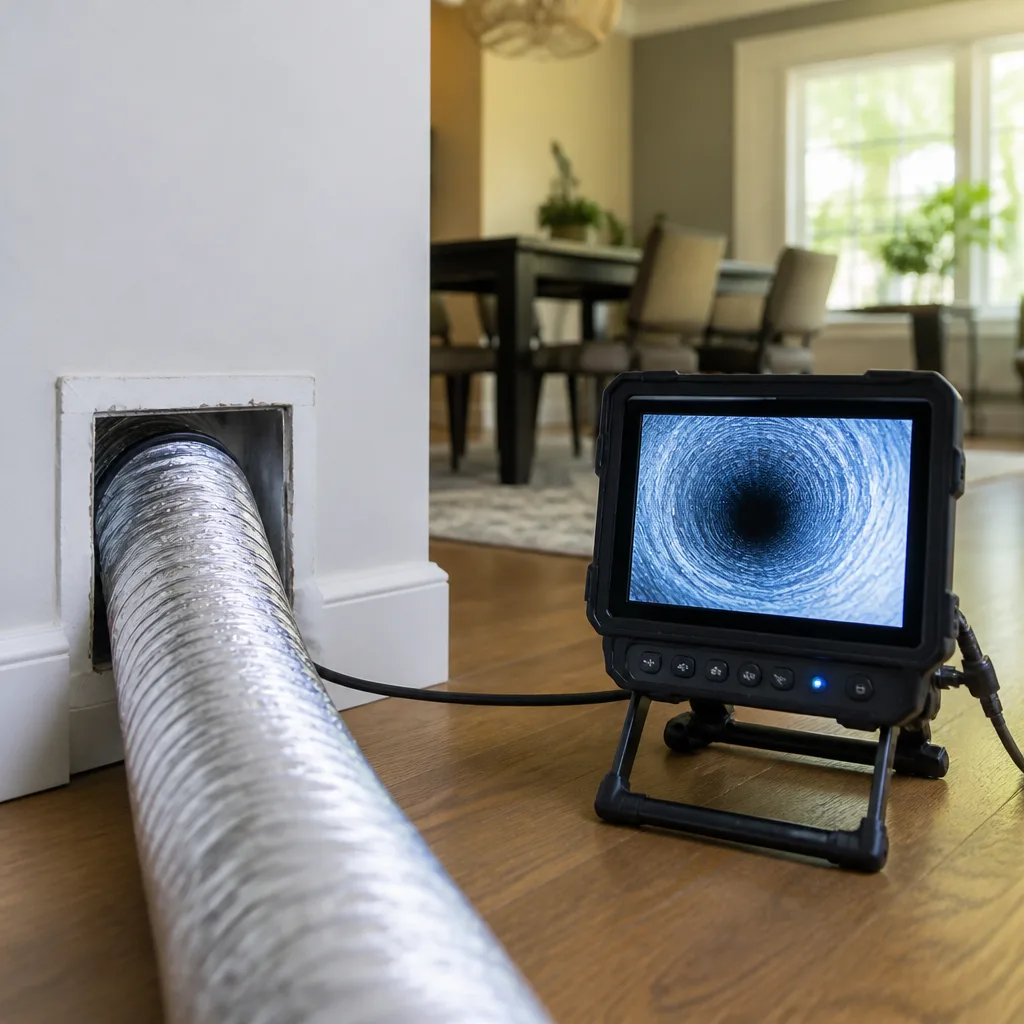 Camera inspection
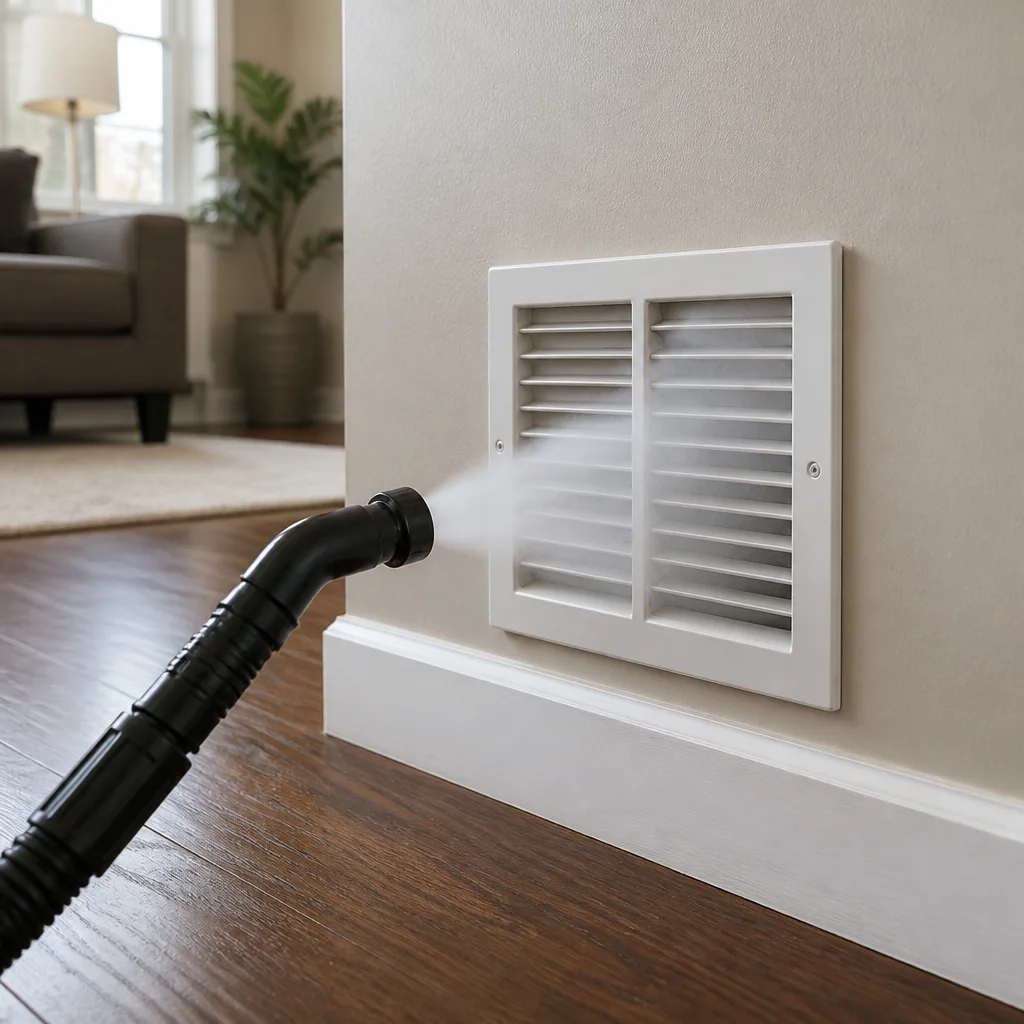 Sanitizing & deodorizing
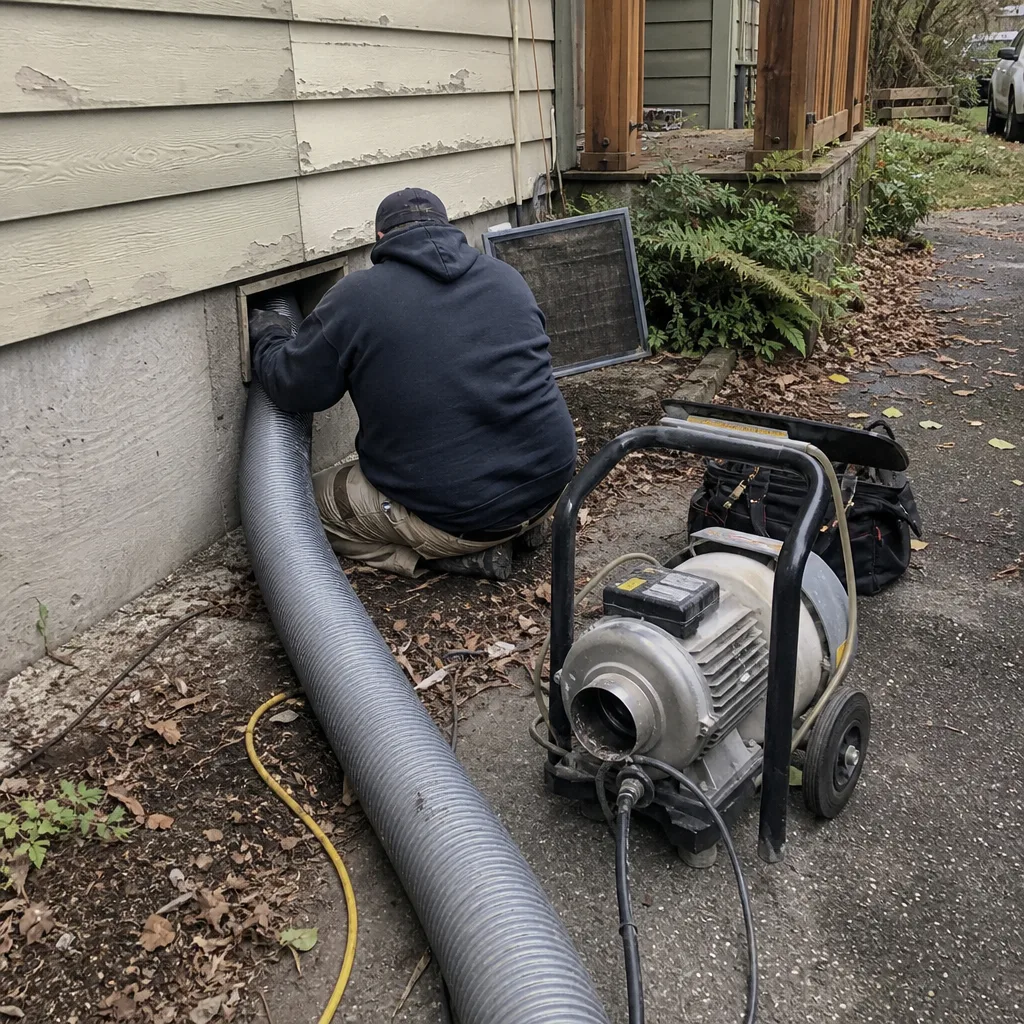
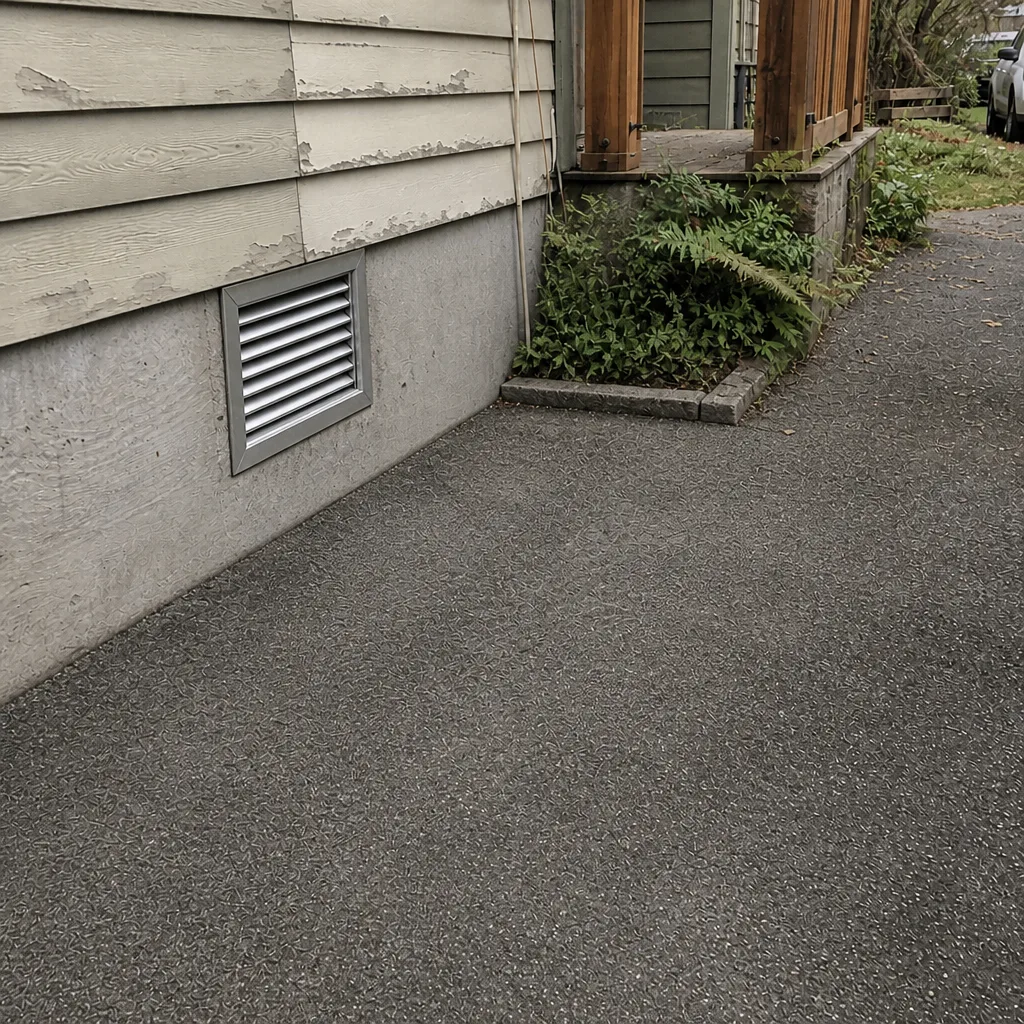
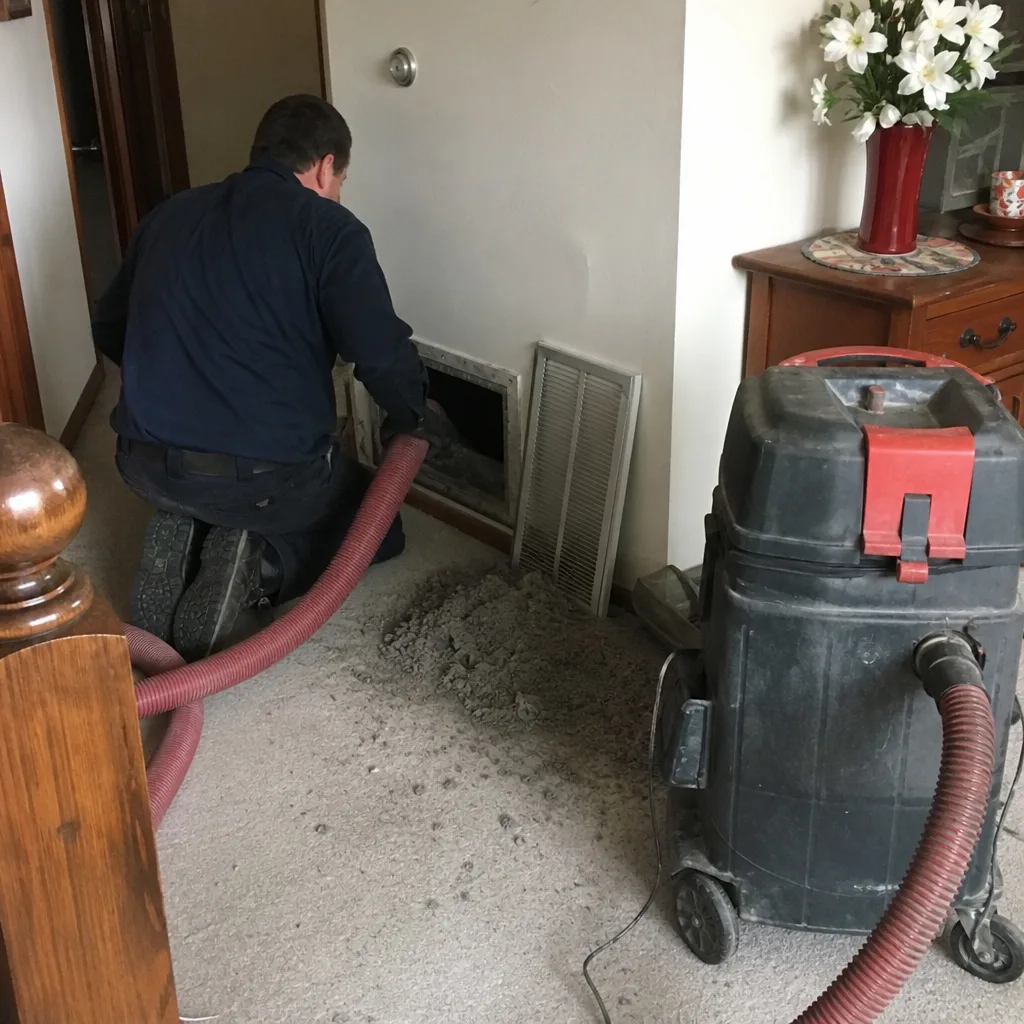
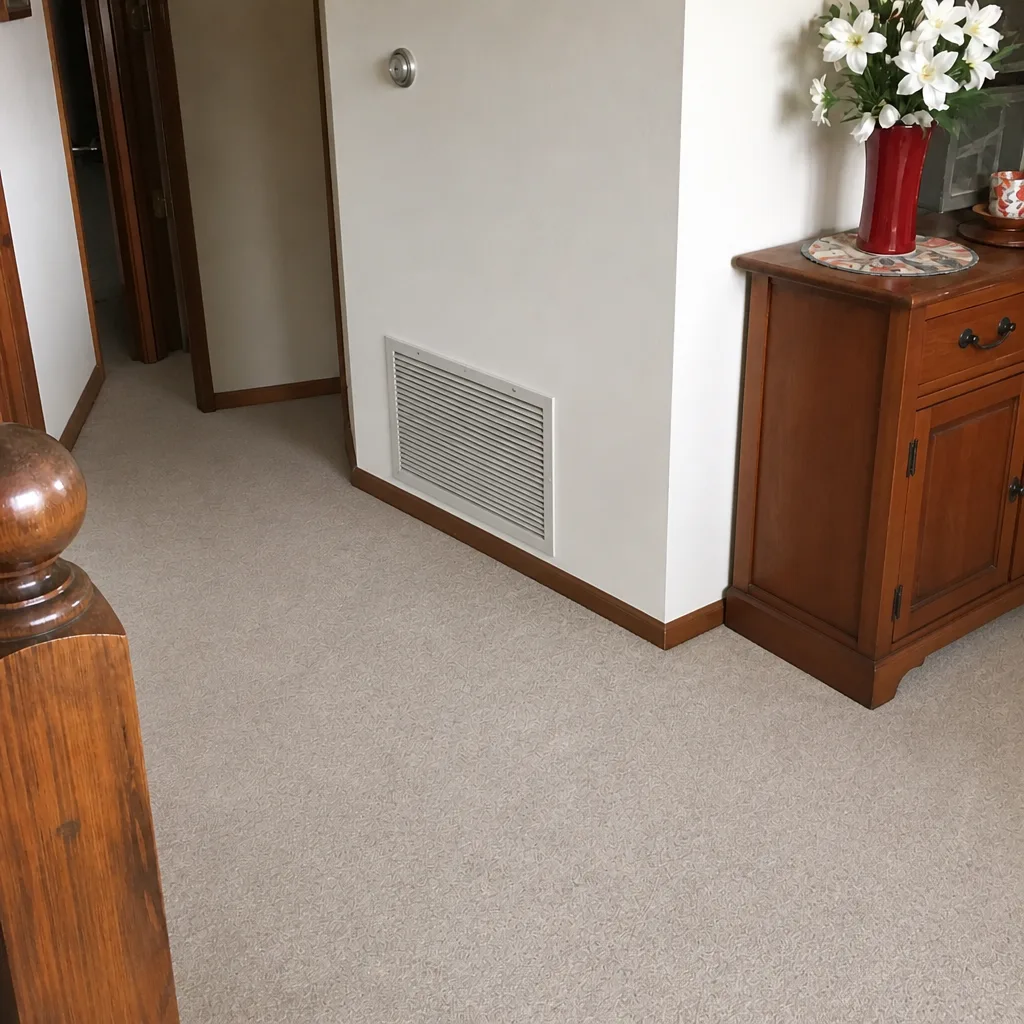
Whole-system duct and dryer vent check with before-and-after photos - you see exactly what came out of your vents
That "$99 whole-house special" is a bait ad - the real number appears once they are in your hallway, or the "clean" is a shop-vac at the register. We photograph the inside of your ducts before and after instead.
Air Duct Cleaning Permits, Codes & Inspections in Lake City, WA: What You Need to Know
The duct cleaning visit that turns into a “while we’re in there” duct repair or air handler replacement is where unpermitted work quietly enters a home’s history. Most homeowners in Lake City assume duct work is duct work, and that whoever is already inside the system can go ahead and fix whatever’s loose. That assumption is the problem. Cleaning is maintenance. Repair and modification are construction. Washington draws a real line between the two, and the City of Seattle enforces it. This guide shows you exactly where that line sits, what triggers a permit on the repair side of a combined job, how to check a contractor’s permit record before you hire, and when mold work stops being duct cleaning and starts being licensed remediation. If you’re weighing a cleaning-and-repair quote right now, this is the part nobody puts in the coupon ad.
Quick Answer
Cleaning the inside of an existing duct system is maintenance and does not require a permit in Washington State. Repairing, replacing, altering, or extending ductwork – including flex duct runs, plenum changes, and return air pathway modifications – is covered by the state mechanical code, and inside Lake City those repairs fall under City of Seattle Department of Construction and Inspections (SDCI) permitting. The contractor doing the repair portion of a cleaning-plus-repair job should pull the permit, and you can verify their record and their permit pulls directly through SDCI before any work begins.
Styles & brands we work with
- Whole-home duct cleaning
- Dryer vent cleaning
- Camera inspection
- Sanitizing & deodorizing
Table of Contents
- Cleaning vs. Construction: Where Washington Draws the Line
- When Duct Repair Triggers a Permit in Lake City
- How to Verify a Contractor Is Pulling Permits
- What SDCI Records Show About a Contractor
- Mold and Air Quality Work: When Licensing Steps In
- What the Inspection Process Actually Looks Like
- Why Unpermitted Duct Work Costs You at Resale
- How We Handle Cleaning and Repair Together
Cleaning vs. Construction: Where Washington Draws the Line
Washington’s mechanical code separates work into maintenance and alteration, and that split is the whole ballgame for a duct job. Maintenance keeps a system functioning as designed: cleaning it, clearing debris, sealing small leaks at accessible joints, replacing a filter, adjusting a damper. Alteration changes the system itself: removing and replacing a length of duct, resizing a run, moving a return, adding a supply branch, reworking a plenum. Everything on the cleaning side of that line is routine service work done without a permit. Much of the alteration side isn’t.
The reason this matters in practice comes down to how the work actually arrives at your door. A customer schedules air duct cleaning, the technician opens the system, and a collapsed or disconnected length of flex duct shows up mid-job. That’s a legitimate discovery, and repairing it is often worth doing. But the moment the scope shifts from “clean what’s there” to “replace what’s broken,” the job has moved from maintenance into alteration territory. A contractor who doesn’t understand the boundary will just splice in a new run and move on. A contractor who does will tell you the repair portion needs a permit through SDCI and explain what that involves.
Two things qualify as maintenance in nearly every case:
- Mechanical cleaning of duct interiors, boots, registers, and the air handler cabinet
- Sealing accessible joints with mastic or approved tape without changing the system’s layout
And two things usually push past it:
- Cutting into, extending, or re-running ductwork
- Modifying a plenum, air handler connection, or return air pathway
Lake City sits inside Seattle’s jurisdictional umbrella, so the permitting authority for the construction side is SDCI, not unincorporated King County. That’s a detail worth confirming if you’re comparing contractors, because the answer depends on exactly where you live, and a contractor who assumes county rules across the whole ZIP is guessing. When we quote a job that includes repair work, we tell the homeowner up front which portion is maintenance and which portion, if any, needs a permit before we start.
When Duct Repair Triggers a Permit in Lake City
Duct repair crosses into permit territory when the work changes the system rather than restoring it. That’s the short version. In practice, a handful of specific situations account for most of the permit-triggering repair work we see in Lake City homes:
- Flex duct replacement beyond a short patch. Replacing a short damaged section of flex duct in an accessible location is often treated as a repair. Replacing a full run, or multiple runs, is a system alteration and typically requires a permit.
- Plenum modifications. Anything that cuts into, resizes, or reconfigures the supply or return plenum at the air handler is construction, not cleaning. This is the most common “while we’re in there” change that gets skipped.
- Return air pathway changes. Adding a return, moving one, or resizing a return grille to balance a system changes the building’s air path. That’s altered mechanical work.
- Adding supply runs or branches. Extending the system into a finished basement or a converted garage requires a permit, full stop.
- Air handler or equipment swaps. Replacing the air handler, blower, or furnace during a duct job is permitted mechanical work. It is never folded into a cleaning invoice.
There’s a strong reason to keep the boundary clean beyond the paperwork. Older Lake City housing stock includes a lot of mid-century construction where ducts have been patched, extended, and re-routed over the years, sometimes by several different owners. When a contractor opens that system, it’s common to find connected ductwork that doesn’t match the original design. Repairing one disconnected run can mean cutting into others. That isn’t a reason to avoid the repair, it’s a reason to have the permit pulled before the work starts so the inspection covers everything that was touched.
Homes on the north end of Lake City near the Lake City Way corridor and the older blocks off 125th tend to have more of this patchwork than newer construction, simply because more years and more owners have passed through. Climate matters here too. Western Washington’s damp winter air gives duct systems in Lake City plenty of seasonal expansion and contraction, and older flex duct in unconditioned spaces takes that cycling hard. Damper connections loosen. Ties come free. That wear is what eventually produces the “while you’re in there” moment. Take the two extra weeks and pull the permit.
How to Verify a Contractor Is Pulling Permits
A verbal assurance that “we handle the permit” is worth nothing. The permit is a public record tied to an address, and you can confirm it exists before work begins. Here’s the sequence that actually protects you:
- Ask who pulls the permit. In Washington, the licensed contractor doing the mechanical work pulls the permit, not the homeowner. If the contractor says you should pull it, or that they’ll “walk you through” pulling it yourself, that’s a red flag for a mechanical contractor.
- Ask for the permit number before work starts. A legitimate contractor can give you the number once the permit is issued. “We’ll get to it” is not a permit number.
- Confirm the permit is on your address. A general permit sitting on a contractor’s record doesn’t cover your house. Match the address on the permit to your property.
- Confirm the scope on the permit matches the scope you’re paying for. If the permit covers one flex run replacement and the quote includes a plenum change, the permit needs to match.
- Check the contractor’s licensing. Washington requires mechanical contractors to be registered with the state Department of Labor & Industries. You can look that up directly, and it takes about two minutes.
- Ask whether the work will be inspected. Permitted mechanical work is subject to inspection. A contractor who tells you inspections “aren’t necessary” for a duct repair inside Seattle is telling you something important about how they operate.
We build the permit question into the estimate for any Lake City job that includes repair or sealing, not because it makes the quote smaller, but because the alternative is a homeowner discovering unpermitted mechanical work at the point of sale. Our written estimate spells out the scope, including which portion is permit-covered, so you can verify it against the record before anyone touches the system.
If you want a straight answer on whether a specific repair needs a permit, call us and we’ll walk through your job specifically. Call (877) 523-5812. We answer 24/7. Fast dispatch from 7am to 7pm, Sunday through Friday.
What SDCI Records Show About a Contractor
Seattle’s Department of Construction and Inspections keeps a public record of permits and inspections, and it’s the fastest way to find out whether a contractor actually operates the way they claim. You can search SDCI records by address and see the permit history for the property, which is worth doing before you sell a home as much as before you hire anyone to work on it. You can search by contractor and see whether the permit pulls for their past work look consistent, or whether there’s a pattern of jobs with no permits on record at all.
What to look for when you check:
- Active permits on mechanical work. A contractor who regularly does duct and HVAC alteration work should have a visible record of pulling mechanical permits.
- Inspections that were actually completed. A permit that was pulled and never inspected is not a green light. Look for the final inspection status.
- Complaints or stop-work history. SDCI records can show enforcement history. A clean record isn’t proof of quality, but a pattern of complaints is worth knowing about.
- Matches between the contractor name and the permit applicant. The name on your quote should match the name on the permit.
One thing SDCI records won’t show you is whether the inside of your ducts was actually cleaned. That’s a separate verification problem, and it’s why we photograph the interior of the system before and after service and share the images with the homeowner. A permit record tells you who did permitted work. Photos tell you what was actually done during the maintenance portion.
We encourage any homeowner comparing quotes to check SDCI before they sign. It’s the single clearest way to see whether a contractor is participating in the permit system at all, and it separates the contractors who do real work from the ones who arrive with a shop vac and a low headline price.
Mold and Air Quality Work: When Licensing Steps In
Mold found inside a duct system is where the licensing conversation gets more layered. Cleaning visible surface mold off duct interiors during a routine job is one thing. Evaluating a building for mold contamination, determining the extent of growth, and performing structural remediation is contractor work that goes beyond standard duct cleaning, and Washington regulates it separately through the Department of Labor & Industries, with certified remediation work and independent clearance procedures in many cases.
When you’re in this territory:
- Visual surface growth inside a duct or at a register can usually be addressed by mechanical cleaning and sanitizing as part of a normal service.
- Widespread growth, growth on structural materials, or growth associated with a known water event is remediation scope, not cleaning scope. Ask for the contractor’s credentials before anything begins.
- Cleaning followed by antimicrobial treatment is a reasonable next step after mechanical cleaning, and it’s the point where we use Guardsman-line products. Sanitizing a dirty system without cleaning first doesn’t accomplish much.
- Negative-air containment during work is standard for remediation-level jobs. We run Abatement Technologies filtration equipment for containment and air scrubbing during service, which is the same kind of equipment remediation contractors use. It’s not decoration.
The most common mistake we see in Lake City on the mold side is a cleaning contractor who sanitizes a system as a substitute for examining whether there’s an underlying moisture problem. If there’s a chronic moisture source feeding the HVAC, the mold will come back. Our position is simple: if we open a system and find evidence of a real moisture issue, we tell the homeowner what we found and what kind of specialist they need. We don’t run a misting machine and hand over an invoice.
After cleaning, if the underlying issue was filtration rather than mold, we carry and install Honeywell and Aprilaire whole-home air-quality equipment so the homeowner leaves with an actual filtration improvement rather than just a cleaner system that will refill over time. That’s the source-to-solution difference between a cleaning visit and a full air-quality plan.
What the Inspection Process Actually Looks Like
Permitted mechanical work in Seattle gets inspected by an SDCI inspector, and the process is not designed to be hostile. It’s designed to verify that what the permit said would be done was actually done. For a duct repair that requires a permit, the sequence generally runs like this:
- Permit application and issuance. The contractor submits the scope, the inspector reviews it, and the permit is issued with conditions.
- Work performed to the permit scope. Anything added beyond the permit scope requires an amendment.
- Inspection request. The contractor calls for inspection once the work is ready for review. Some mechanical work is covered in a single rough and final inspection; other scopes require two visits.
- Inspector visit. The inspector confirms the installed work matches the plan and the code requirements. Corrections may be requested.
- Final sign-off. Once the work passes, the permit is closed and the record shows a completed, inspected job. That record follows the property, which is exactly why it matters down the line.
You don’t have to be present for the inspection. You do want to keep the permit number and the final inspection record somewhere with the other home documents. When a home in Lake City goes on the market, and a buyer’s inspector asks about a recent duct repair, a closed permit with a passed inspection is a sentence that ends quickly. A duct repair with no record at all is a sentence that starts a negotiation.
We coordinate the inspection phase when a job includes permitted repair, and we don’t consider a combined job complete until the permit status is resolved, one way or the other. If a repair turns out to be smaller in scope than originally estimated, we amend the plan and tell the homeowner, rather than leaving an open permit on the record.
Why Unpermitted Duct Work Costs You at Resale
Unpermitted mechanical work is not an obscure technicality, it’s an underwriting problem. When a buyer’s inspector, appraiser, or the buyer’s lender looks at a property with mechanical alterations that don’t have a permit record, that shows up as an open question. The buyer’s agent will ask. The lender may require documentation before closing. In the worst cases, a verbal contractor assurance from three years ago becomes a problem you’re paying a new contractor to fix because you can’t prove the work was done to code.
The pattern is very consistent. Work gets added on during a cleaning visit. The homeowner assumes it was included in the service. No permit is pulled. Two moves later, a seller has a home inspection report listing unpermitted duct modifications, and the options are a permit-after-the-fact process, a re-do if the work was done badly, or a price concession to the buyer. None of these are cheap, and none of them are necessary.
There’s a related issue on the indoor air side. Unpermitted duct alterations can leave an HVAC system unbalanced, which is a real comfort and air-quality problem in a Lake City home with a system that was already running hard before the work started. Sealing and rebalancing done without a permit is sometimes sealing that isn’t tested, and a return air problem that was supposed to be fixed by the repair comes back as a pressure imbalance that pulls air in from unconditioned spaces. Permits and inspections are the counterpart to the mechanical work. They’re not a tax on it.
When a repair is warranted and a permit applies, the honest estimate includes that cost. Our written estimate is per job, agreed before work starts, and it tells you which part is permit-covered. That’s the clean way to do this, and it’s why we don’t treat a “while we’re in there” conversation as an opportunity to underpaper a job.
How We Handle Cleaning and Repair Together
When a customer books Air Duct Cleaning Lake City and a technician finds a repair need, here’s what happens next. First, we tell you what we found before we do anything. Second, we separate the maintenance scope from the repair scope, in writing, so you know which part needs a permit through SDCI and which part doesn’t. Third, we let you decide. If the repair is worth doing and needs a permit, we handle the permit as part of the job; if it doesn’t, we don’t add the paperwork cost unnecessarily.
The equipment on a job is worth understanding, because it’s the visible difference between a real duct cleaning contractor and someone with a shop vac. We run Rotobrush rotary-brush extraction systems, which are what professional duct cleaners and restoration firms use for source removal, and Nikro HVAC cleaning equipment on eligible jobs. We use Abatement Technologies air-filtration units for containment and scrubbing during service. After mechanical cleaning, if the homeowner wants ongoing filtration improvement, we install Honeywell and Aprilaire equipment so the system gets upgraded, not just cleaned. Our technicians have up to 11 years of experience on these systems.
We service the whole air pathway, from the blower to the vent cover. That means duct cleaning, dryer vent cleaning, HVAC cleaning, duct repair and sealing, and air quality and sanitizing, all handled together rather than split across multiple contractors. If a repair needs a permit, we tell you. If it doesn’t, we tell you that too. There’s no upside to understating a permit requirement, and a homeowner who finds out later that a repair wasn’t permitted is a homeowner we’ve failed.
For homeowners who want an exact picture of what their own job will or won’t require, we offer a free estimate. Call (877) 523-5812. We answer 24/7. Fast dispatch from 7am to 7pm, Sunday through Friday.
Common Mistakes to Avoid
- Assuming the cleaning technician handles all duct repairs under one price. The cleaning portion is maintenance and the repair portion usually isn’t. Ask before work starts which parts of the quote are permit-covered.
- Accepting a verbal “we’ll take care of the permit” without a permit number. A permit is a public record tied to your address. If it doesn’t exist on the SDCI record, it doesn’t exist.
- Trusting a contractor who says inspections “aren’t needed” for a duct repair inside Seattle. Mechanical alterations in Lake City fall under SDCI, and permitted work is subject to inspection. A contractor who says otherwise is likely skipping the process.
- Letting an air handler or furnace swap get folded into a cleaning invoice. Equipment replacement is permitted mechanical work, and it should be its own scope with its own permit.
- Sanitizing without cleaning. A misting application over a dirty system doesn’t remove what’s there. Mechanical cleaning comes first, then sanitizing with Guardsman-line products if needed.
- Ignoring moisture problems after a mold finding. If a moisture source is feeding the HVAC, cleaning the duct without addressing the source means the problem comes back.
- Not keeping the permit and inspection records. Store them with your other home documents. They’re the fastest answer when a buyer’s inspector asks a question.
See the difference
 Before
 After
 Before
 After
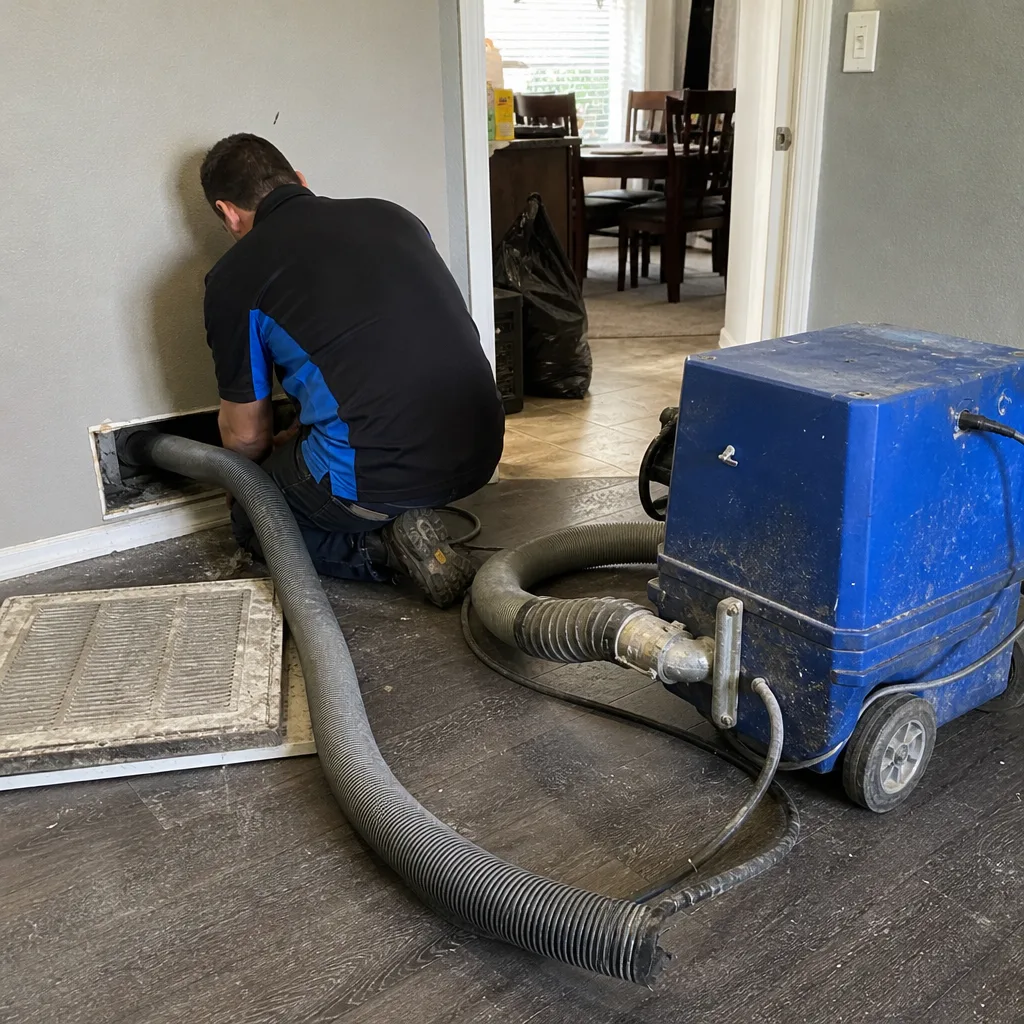 Before
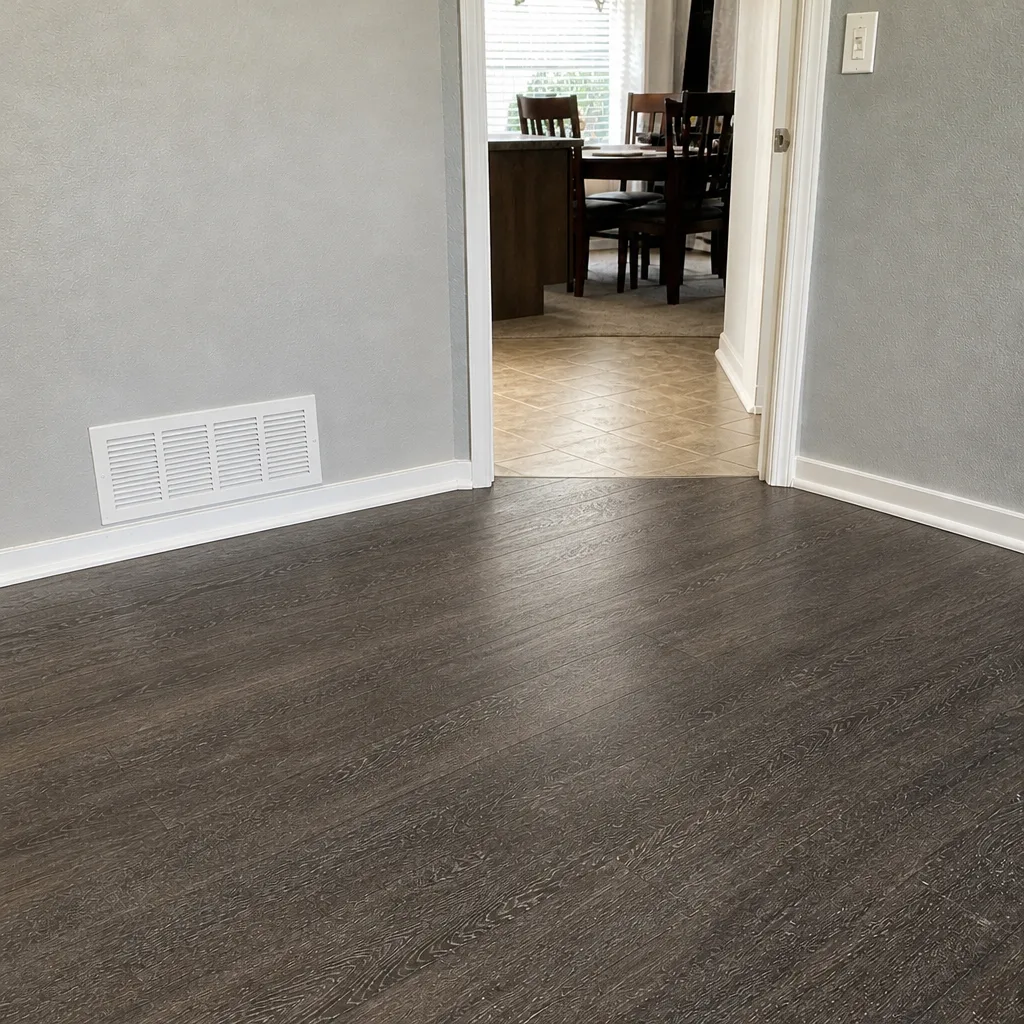 After
When to Call a Professional
Call a professional when the job crosses from cleaning into alteration, and you’re not sure which side of the line it’s on. Call when the estimate includes flex duct replacement beyond a short patch, a plenum modification, a return air change, or air handler work, because those are the cases where a permit could apply and the process needs to be verified. Call when you’re buying a Lake City home and the inspector’s report lists duct work you can’t trace, or when you’re selling and want to know what’s on the record before a buyer asks. Call when there’s visible mold inside a duct or at a register, because the first step is figuring out the scope of the problem, not running a misting machine. And call when the dryer is taking too long to dry clothes, since that’s often a dryer vent issue that pairs with a duct cleaning visit. Air Duct Cleaning Lake City offers free estimates in Lake City. Call (877) 523-5812. We answer 24/7. Fast dispatch from 7am to 7pm, Sunday through Friday.
Frequently Asked Questions
No. Cleaning the interior of an existing duct system is maintenance under Washington’s mechanical code and does not require a permit. Only the construction side of the job – repairs, replacements, and system alterations – is permit-covered through SDCI. If a contractor tells you cleaning itself needs a permit, that’s a sign they’re confused about the code. Call (877) 523-5812 for an exact quote – estimates are free.
When the work changes the system rather than restoring it. Flex duct replacement beyond a short patch, plenum modifications, return air pathway changes, added supply runs, and air handler swaps are the common triggers. A qualified contractor will tell you which portion of the estimate needs a permit before you sign. Call (877) 523-5812 for an exact quote – estimates are free.
Our pricing is per job by written estimate, set after we see the system, not per vent. Cost depends on the size of the system, how many runs are accessible, and whether a repair needs to be included. We won’t quote a headline number over the phone and surprise you with an invoice on site. Call (877) 523-5812 for an exact quote – estimates are free.
Usually because they cover less. A low quote often means a single pass with entry-level equipment, no source removal, no photos, and no scope for repair or permit work, which then appears as an add-on once the technician is inside. Our estimate covers the actual scope and we agree the price before work starts. Call (877) 523-5812 for an exact quote – estimates are free.
Ask for photos before and after the work inside your system. A real duct cleaning produces visible change in the duct interiors, and a professional-grade contractor can show you what was extracted. We use Rotobrush and Nikro equipment and photograph the inside before and after, and we share the images with the homeowner. Call (877) 523-5812 for an exact quote – estimates are free.
Most homes in Lake City can go several years between cleanings. Homes with pets, recent renovation, or a new purchase generally benefit from a first cleaning sooner, and systems with a lot of older flex duct run through unconditioned spaces tend to collect more debris. Ask for a system-specific assessment rather than a schedule. Call (877) 523-5812 for an exact quote – estimates are free.
The Bottom Line
Duct cleaning itself isn’t permitted work, and that’s the source of the confusion. The repair and alteration that frequently rides along with it is. In Lake City, mechanical alterations fall under SDCI, and the permit is a public record you can verify before anything starts. The four things to carry away from this guide: know which part of your job is maintenance and which is construction; ask for the permit number before the repair begins; check SDCI records for the contractor and the address; and keep the closed permit with your home documents. Do those four things and “while we’re in there” stops being a liability and becomes what it should have been from the start – a repair that’s on the record.
If you’d like a straight answer on whether your own job crosses that line, call Air Duct Cleaning Lake City at (877) 523-5812 for a free estimate. We answer 24/7. Fast dispatch from 7am to 7pm, Sunday through Friday.
Written by the team at Air Duct Cleaning Lake City.